

Food noise: how to quieten constant thoughts about food
You’ve just finished eating and you’re already thinking about the next thing. What’s left in the cupboard, what you’ll have later, whether you should, whether you shouldn’t. It hums along underneath work, conversations and the TV, and by the end of the day it can leave you worn out. A lot of people now have a name for this: food noise.
Many people find that once the thoughts about food get quieter, there’s more room in the day for everything else.
Food noise is something clients describe to me more and more. This page explains what food noise is, why it gets louder at some times than others, what is known about food noise and prescribed weight-loss medication, and how to stop food noise running your day.
What is food noise?
Food noise is an everyday phrase for frequent, intrusive thoughts about food that are hard to switch off, even when you aren’t hungry. It isn’t a medical diagnosis. One of the first research papers on the subject notes that the term began as a colloquial one, and suggests food noise may be a heightened or persistent form of what scientists call food cue reactivity: the way your mind and body respond to the sight, smell or thought of food (Hayashi and colleagues, Nutrients, 2023).
Everyone reacts to food cues. Smelling toast and thinking about lunch is normal. Food noise is when those thoughts come so often, or so loudly, that they crowd out other things and nudge you towards eating you hadn’t planned.
Signs food noise is taking over your day
- You're planning the next meal or snack before you've finished this one
- Thoughts about food break into work, conversations or whatever you're watching
- You eat to make the thoughts stop, then feel cross with yourself
- Knowing there's something nice in the house makes it hard to settle
- You keep a running tally in your head of what you've eaten and what you're allowed
- The noise is loudest when you're tired, stressed or bored
Why food noise gets so loud
Your brain is built to notice food. The same paper lists things that can turn that response up or down, including the time of day, your surroundings, how long you slept and how stressed you are. That's why the same person can feel calm around food on a Sunday morning and swamped by it on a Wednesday evening after a bad night.
Strict rules can make it louder. When a food is off limits it tends to take up more room in your head, not less, and long gaps between meals leave you properly hungry by the evening. The NHS advises people being treated for binge eating not to diet, because dieting can make it harder to stop (NHS, binge eating disorder treatment). Habit plays its part too. If a biscuit has always followed the school run or the end of a meeting, those moments start to set off food thoughts on their own.
Food noise after stopping weight-loss medication
The phrase became widely known as people taking prescribed weight-loss medication described their food thoughts going quiet, although the evidence for that is still largely anecdotal. The NHS explains that these medicines work by reducing your appetite and helping you feel fuller for longer. What happens to food noise after people stop is a question researchers are still looking at.
If your food noise is back after coming off weight-loss medication, it isn't a personal failing. The British Heart Foundation explains that once you stop, your appetite returns to normal and some people start eating more (British Heart Foundation, 2025). That's a good reason to have a plan in place before you stop, and to stay in touch with your healthcare team.
Please don't start, stop or change the dose of these medicines without your prescriber. The NHS says to talk to your doctor if you want to stop and not to stop suddenly. They're only available on prescription, and the NHS warns that some websites sell fake weight loss medicines, so only buy from a registered pharmacy. Hypnotherapy is not a replacement for medical care, and I'm happy to work alongside whatever your doctor advises.
Hypnosis for food noise: how hypnotherapy can help
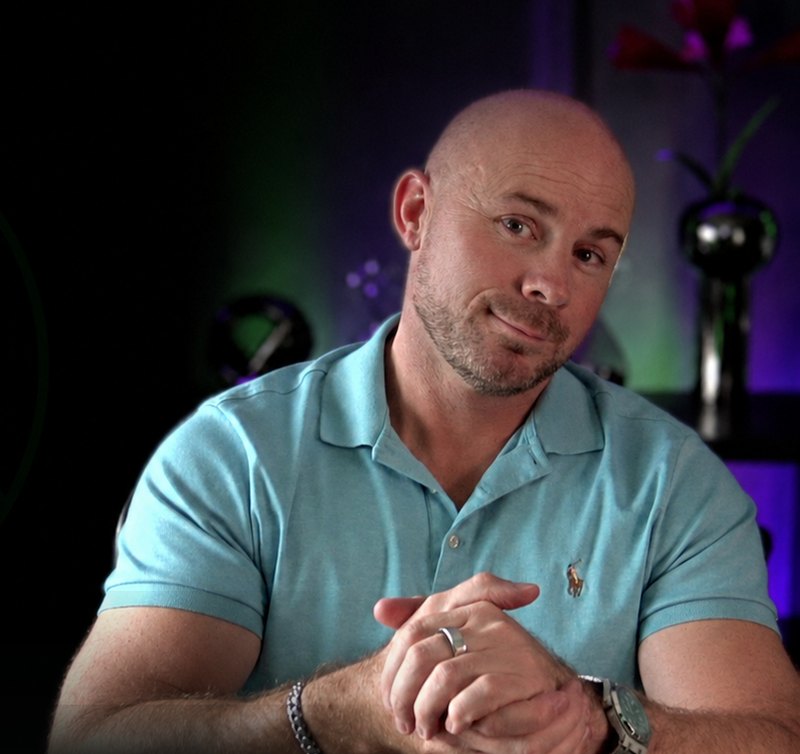
If you've finished a meal and found yourself already thinking about the next one, you're not greedy and you're not alone. Food noise can hum along all day, and it's tiring to live with.
Hypnotherapy for food noise works on the habit side of the problem. In a relaxed, focused state we look at when the noise is loudest and what tends to come just before it, then rehearse a different response: noticing a food thought, letting it go by and carrying on with what you were doing. We also work on the stress, tiredness or boredom that tends to turn the volume up.
I've spent 17 years in clinical practice, and I hold a Postgraduate Certificate and a Postgraduate Diploma in Clinical Hypnotherapy, both with Distinction.
It won't silence every thought about food, and it wouldn't be healthy if it did. You'll still need to practise, and some days will be noisier than others. What we're aiming for is a quieter background, so a passing thought doesn't have to end in the kitchen. There's more about my qualifications here, and if you'd like to try hypnosis before booking anything, my podcast, The Hypnotist, has more than 2,300 hypnosis sessions you can listen to free.
Hypnotherapy isn't a treatment for an eating disorder. If you make yourself sick, skip meals or eat large amounts and feel out of control, please speak to your GP or Beat first.
Another Brilliant Session Adam , great insight into how much noise we create in our mind around food
pnugent, on Hypnosis to Let Go of Food Obsession
A listener comment, reproduced as written. Everyone is different, and results vary from person to person.
How to stop food noise: things you can try today
- Eat at regular times. Going a long time without food tends to make the thoughts louder later on. Planning regular meals and snacks is part of NHS treatment for binge eating.
- Notice it, name it, let it pass. When a food thought turns up, label it in your head, for example "there's the food noise", and go back to what you were doing. You don't have to argue with it or obey it.
- Ask what's really going on. Are you hungry, tired, stressed or bored? Each needs something different, and only one of them needs food.
- Loosen the rules. Banning a food tends to keep it on your mind. If you decide to have it, sit down and eat it slowly instead of fighting it all evening.
- Look after your sleep. Short nights are one of the things linked with a stronger pull towards food, so an earlier night can be a practical step.
- Change the cues. If certain places or times set it off, move snacks out of sight, take a different route home or give your mid-afternoon break a new shape.
If your food thoughts usually end in eating past full, my page on overeating goes further. If they're tied up with feelings, see emotional eating. If they're loudest after dark, see night-time eating, and if they're mostly about grazing between meals, see snacking.
When to talk to your GP or Beat
If you often eat large amounts and feel out of control, or you make yourself sick, skip meals or exercise to make up for eating, please talk to your GP or call Beat on 0808 801 0677.
Constant thoughts about food can be part of an eating disorder, and Beat says you don't need a formal diagnosis to use its helplines. They're open Monday to Friday, 3pm to 8pm. The number for Scotland is 0808 801 0432, for Wales 0808 801 0433 and for Northern Ireland 0808 801 0434.
The NHS lists the main signs of binge eating disorder as eating a lot of food in a short time and not being able to stop when full, along with eating when not hungry and eating alone or in secret. If food noise is wrapped up with anxiety or low mood, your GP can help, and if you live in England and are 18 or over you can refer yourself to NHS Talking Therapies.
Common questions
Is food noise a real thing?
Many people experience it, but it isn't a medical diagnosis, and researchers are still working out how to define and measure it. If thoughts about food are affecting your eating, your mood or your day, that's worth taking seriously and talking to your GP about.
Why is my food noise back after stopping weight-loss medication?
These medicines reduce appetite while you take them. The British Heart Foundation explains that when you stop, your appetite returns to normal and some people start eating more. Talk to your prescriber or healthcare team, and never change your dose without them. Work on habits and triggers can sit alongside their advice.
Can hypnosis help with food noise?
It can help with the habits and stress that keep food thoughts loud, and with practising letting a thought pass without acting on it. It needs effort from you between sessions, and I can't tell you in advance how much will change. It isn't a treatment for an eating disorder.
Is food noise the same as binge eating?
No. Food noise describes thoughts. Binge eating disorder is a recognised condition where someone regularly eats a lot of food in a short time and can't stop, often alone and with guilt afterwards. If that sounds like you, please talk to your GP or call Beat on 0808 801 0677.
How many sessions will I need?
That depends on how long the noise has been there and what turns it up. One 90 minute session aimed at your noisiest time of day suits some people. Others prefer three, so we can also cover stress, sleep and the habits around meals. We can talk it through on a consultation call.
How do sessions work?
We meet one to one on Zoom, so you can join from wherever you are. The hypnosis is shaped around your own food thoughts and the moments they show up, and afterwards you get a recording to listen to between sessions.
Want help to quieten food noise?
A short call is the simplest next step. Here's how it works.
- Take the check. See where you are now with the free check on this page.
- Talk it through. Book a £49 consultation call. We'll look at whether sessions would help, and the fee comes off your first session.
- Start your sessions. We work one to one over Zoom, and you keep a recording of the hypnosis to listen to between sessions.
See all session options and prices
Hypnosis downloads for food noise
If you'd rather begin on your own, these sessions focus on letting thoughts drift past, coming back to the present moment and steadier eating habits. Once you've bought one, it's yours to keep.


Written by Adam Cox, clinical hypnotherapist. Sources: Hayashi and colleagues, What Is Food Noise? (Nutrients, 2023), British Heart Foundation (2025), NHS, binge eating disorder, NHS, binge eating disorder treatment, Beat helplines, NHS Talking Therapies. Checked October 2026.