
Sober October: tips for a month off alcohol
A quick safety check
Please don’t go from heavy daily drinking to nothing in a single day. If going without a drink brings on trembling, sweating or a racing, anxious feeling, your body may rely on alcohol, and Alcohol Change UK warns that people who are clinically dependent can die if they suddenly stop completely. Your GP can help you come off safely, and you can ring Drinkline free on 0300 123 1110 (9am to 8pm on weekdays, 11am to 4pm at weekends).
Dial 999 for anyone who has a seizure, is confused, or is seeing or hearing things that aren’t there after stopping.
Sober October asks you to give up alcohol for the 31 days of October, and to raise money for charity while you’re at it. The timing is half its appeal. Summer is over, the Christmas party season hasn’t started, and a month off in autumn changes how you go into the heaviest drinking weeks of the year.
If you’ve landed here partway through October, you haven’t missed your chance. You can still begin today and count every alcohol-free day from here to Halloween.
Who runs Sober October in 2026
Sober October in the UK has changed hands. It is now owned and delivered by Ezy Raise, an Australian fundraising platform, and its official UK charity partner for 2026 is Alcohol Change UK, the charity behind Dry January (Alcohol Change UK, September 2026). Macmillan Cancer Support ran its own sober October fundraiser every year from 2013, but it no longer runs an alcohol-free fundraising month in October (Civil Society, September 2026).
The official site is soberoctober.org.uk. What you’re reading is my own independent guide. I have no connection with Ezy Raise, Alcohol Change UK or Macmillan, and none of them has endorsed this page.
Sober October rules for 2026
- The dates. Sober October 2026 began on 1 October and covers all 31 days of the month.
- Signing up is free. The official FAQ says so, and Alcohol Change UK says there is no minimum fundraising target.
- The Golden Ticket has gone. The official FAQ says the Golden Ticket has been retired this year “to better reflect Alcohol Change UK’s approach”. For a planned occasion, it points you to the Drink as Planned days in the free Try Dry® app, so you can record it honestly.
- A slip isn’t the end. The FAQ puts it simply: “Don’t panic. One drink or one day doesn’t mean you’ve failed.”
- Fundraise through the official site. The FAQ says all fundraising has to go through the Sober October website rather than, for example, a separate Facebook fundraiser.
Alcohol Change UK also says you can download Try Dry and choose the Sober October goal to track your alcohol-free days.
Sober October fundraising tips
In 2026 the money raised goes to Alcohol Change UK’s work to reduce alcohol harm. Raising money is optional, but plenty of people find that having sponsors makes it harder to give in on a wet Thursday night.
- Say why you’re doing it. A line or two about your reason gets more support than a bare link.
- Pick a target you’re comfortable asking for. With no minimum, you can start modestly and raise it if you get there.
- Join or start a team. The site has teams and leaderboards, and a workplace with several teams can be grouped together.
- Post short weekly updates. Money saved, a better night’s sleep, your first sober Friday. Sponsors like to see you sticking with it.
- Thank people as you go. It keeps support coming through the second half of the month, when the novelty has worn off.
Sober October benefits: what a month off can do
Alcohol Change UK describes what many people notice when they take a break from alcohol. These are general patterns, not promises, and they vary from person to person:
- After a week. You may have more energy and better concentration, and your skin may look brighter.
- After two weeks. Getting up in the morning might feel less of a struggle.
- After three weeks. Some people lose a little weight, because alcohol is high in calories.
- After a month. The charity lists better sleep, and reductions in blood pressure, cholesterol and diabetes risks.
The NHS says that cutting down can mean feeling better in the mornings, being less tired during the day and finding it easier to manage your weight, and that in the longer term it lowers your risk of serious conditions including cancer, stroke, and heart and liver problems.
Getting through Halloween and bonfire night sober
The last night of the challenge is Halloween, which can mean a party on the very evening you’re closest to the finish. Bonfire night follows a few days later, and for many people it’s the first big social test of whether they want to go back to how things were.
- Offer to drive. It’s the simplest reason to give, and it means you go home when you want to.
- Bring your own. Take a few cans or a bottle of something alcohol-free, so you’re not relying on what the host has in.
- Decide about 1 November in advance. Choose now whether your first drink after the challenge will be at the fireworks, at home or not for a while yet. Deciding beforehand stops the finish line turning into a session you didn’t plan.
- Hold something warm. At a bonfire, a hot chocolate or a flask of tea does the job a mulled wine used to.
Carrying it into the run up to Christmas
From November the invitations stack up: work dos, catch-ups with old friends, the Christmas drinks that start in early December. The NHS tips on cutting down suit this stretch well:
- set a limit on how much you’ll drink before you start
- take out a fixed amount of money to spend on alcohol, and no more
- go for smaller sizes, and swap strong beers or wines for lower-strength ones
- eat something and have a glass of water before your first drink
- keep several drink-free days in every week
The NHS also advises men and women not to regularly drink more than 14 units a week (NHS, Alcohol units). Holding on to the weeknights you protected in October, even if weekends change, is a practical way to stay closer to that through December. My guides to drinking less and breaking the nightly wine habit have more ideas, and if you’d like another go, Dry January is only a few weeks later.
Where hypnotherapy fits with Sober October
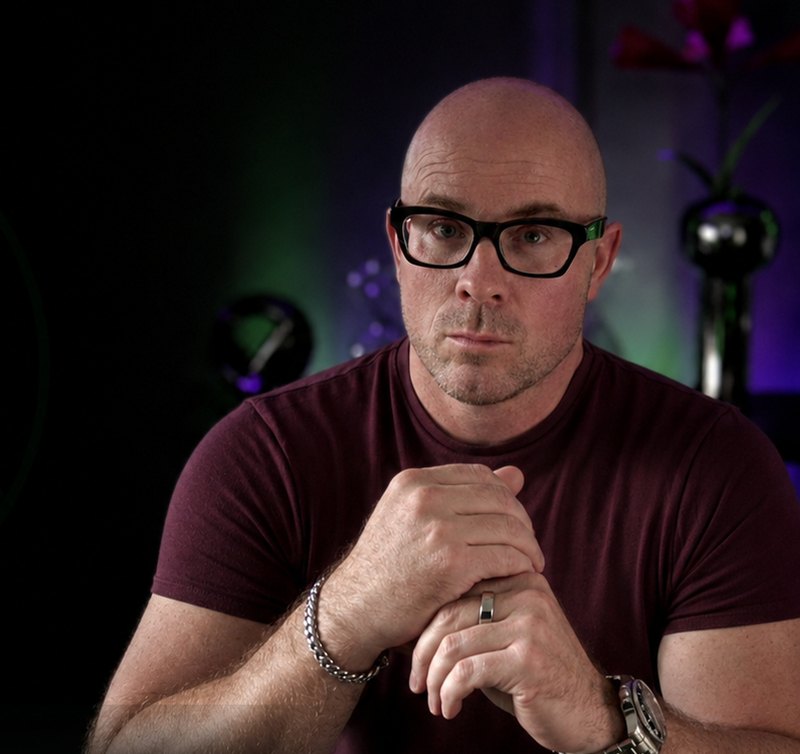
If you are dependent on alcohol, hypnotherapy isn’t the treatment and I won’t present it as one. That needs your GP or an alcohol service, and my page on alcohol withdrawal explains why stopping safely matters.
Where I can help is the habit side, for people who aren’t dependent. October often shows people how much of their drinking is attached to a time or place: the Friday pub, the first evening of the weekend, the glass that marks the children being asleep. Sessions focus on those links, on stress and sleep, and on staying relaxed in company when everyone else is drinking. You still do the deciding, and hypnosis is there to back you up while you do. For an honest look at the research, see does hypnotherapy work?, and there’s more about my background and qualifications too.
If a month off has shown you that drinking is harder to control than you thought, my page on the signs of a functioning alcoholic may be useful. Before we work together I’ll ask about withdrawal symptoms, and I’ll say plainly if I think medical help needs to come first.
Common questions
When is Sober October 2026?
It runs from 1 to 31 October 2026. The official FAQ says donations stay open into November, so sponsors can still give after the month is over.
Is there still a Golden Ticket in Sober October?
No. The official FAQ says the Golden Ticket has been retired for 2026. For a planned occasion, it suggests logging a Drink as Planned day in the Try Dry app instead.
What happens if I drink during Sober October?
The organisers say one drink or one day doesn’t mean you’ve failed. Pick up again the next day and think about what led to it, so you’re ready if the same situation comes round.
Who does Sober October raise money for?
In 2026 the money goes to Alcohol Change UK, the official UK charity partner. Macmillan Cancer Support no longer runs an October alcohol-free fundraiser.
How many sessions might I need?
If October has shown you one clear pattern, like the Friday pub or the glass after work, a single 90 minute session may be all you want. If stress, sleep and the Christmas season are all part of it, three sessions over a few weeks give us time for each. We can decide on the call.
Can I see you in person?
Yes, in Hertfordshire, at the same fee as online. Most people choose Zoom, and either way you’re given a recording of the hypnosis to listen to afterwards.
Talk it through
If you’re not dependent and want October to change your drinking for longer than a month, book a £49 consultation call. We’ll go through the patterns the month has shown you and whether sessions are likely to be useful.
See all session options and prices
Written by Adam Cox, clinical hypnotherapist. Sources: Sober October, official site; Sober October, FAQ; Alcohol Change UK, New charity partner for Sober October, September 2026; Civil Society, Macmillan ends involvement, 8 September 2026; Alcohol Change UK, What happens when you take a break from alcohol; NHS, Tips on cutting down, reviewed April 2026; NHS, Alcohol units; NHS, Alcohol support; NHS, Alcohol-use disorder. All checked in October 2026, helpline details included.