

Binge eating or overeating? How to tell the difference and where to get help
Please read this first
If you often eat large amounts and feel out of control, or you make yourself sick, skip meals or exercise to make up for eating, please talk to your GP or call Beat on 0808 801 0677. Beat’s helplines are free, open 3pm to 8pm, Monday to Friday, and you don’t need a diagnosis to call.
If you’re feeling hopeless or thinking about ending your life, call Samaritans free on 116 123, day or night. If you’re in immediate danger, call 999.
Most people eat too much now and then. A big Sunday lunch, a second helping, half a packet of biscuits on a bad afternoon. Binge eating disorder is different. It means regularly eating a large amount of food in a short time while feeling you can’t stop, and it’s often followed by guilt or shame.
If you’ve typed “am I binge eating?” into a search bar, that question deserves a straight answer rather than a quiz score. I’ll be clear from the start: binge eating disorder is a mental health condition that needs proper care, starting with your GP or Beat. This page covers the signs, how it differs from everyday overeating, what treatment looks like and how to support someone else.
What is binge eating disorder?
The NHS describes binge eating disorder as regularly eating a lot of food over a short period of time until you’re uncomfortably full. It calls it a serious mental health condition, in which people eat without feeling in control of what they’re doing. Binges can be planned or spontaneous, and usually happen alone.
Beat, the UK’s eating disorder charity, says binge eating disorder is not about choosing to eat large portions, and that binges are distressing rather than enjoyable. Unlike bulimia, a binge isn’t followed by trying to get rid of the food, for example by being sick. Beat describes the diagnosis as involving at least one distressing binge a week for at least three months (Beat, binge eating disorder).
It can affect anyone. The NHS says men and women of any age can get it, although it often starts in people’s 20s or later.
Signs of binge eating disorder
These signs come from the NHS and Beat. You don’t need all of them to get help:
- Regularly eating a lot of food in a short time, until you’re uncomfortably full
- Feeling that you can’t stop or control what you’re eating
- Eating when you’re not hungry, and eating very fast during a binge
- Eating alone or in secret, or hiding or storing food
- Feeling depressed, guilty, ashamed or disgusted afterwards
- Planning your day around binges, or thinking about food most of the time
Weight isn’t a reliable sign. The NHS says some people with binge eating disorder put on weight, but this doesn’t happen to everyone, so being a “normal” weight doesn’t rule it out.
Overeating vs binge eating: how to tell the difference
Everyday overeating is very common. What marks out binge eating disorder is the pattern, the loss of control and the distress, more than the amount on the plate. This table is a rough guide, not a diagnosis:
| Everyday overeating | Binge eating disorder | |
|---|---|---|
| What happens | Eating past full at a meal, or grazing more than you meant to | Regularly eating a very large amount of food in a short time |
| Control | You can usually stop, even if you’d rather carry on | You feel you can’t stop or control what you’re eating |
| How you eat | Often at a normal pace, and often with other people | Often very fast, and usually alone or in secret |
| Afterwards | Too full, perhaps a bit fed up with yourself | Guilt, shame, disgust or low mood |
| How often | Now and then, often tied to occasions, stress or habit | Beat describes at least once a week for three months for a diagnosis |
| Where to start | Practical changes to the habit | Your GP or Beat |
If you see yourself mostly in the middle column, my guides to overeating and emotional eating cover the habit side. If most of your eating happens late in the evening or after waking at night, my page on night-time eating explains night eating syndrome. If the right-hand column sounds familiar, or you can’t tell, please talk to your GP or Beat. Beat says you don’t need a formal diagnosis to use its helplines.
How to stop binge eating: getting help in the UK
- Your GP. The NHS says to see a GP as soon as you can if you think you may have binge eating disorder. They’ll ask about your eating and how you’re feeling, and should refer you to an eating disorder specialist or team. You could take a friend with you. Beat suggests writing down your questions and booking a double appointment, and says it’s fine to ask to see a different doctor if you need to.
- Beat. The Beat helplines are free from UK landlines and mobiles and open 3pm to 8pm, Monday to Friday. Call 0808 801 0677 in England, 0808 801 0432 in Scotland, 0808 801 0433 in Wales or 0808 801 0434 in Northern Ireland. Beat also has one to one webchat and online support groups, with no diagnosis needed.
- Referring yourself. Beat suggests looking into self-referral in your area, and its HelpFinder lists eating disorder services near your postcode. If anxiety or low mood is part of it and you live in England, you can refer yourself to NHS Talking Therapies if you’re 18 or over (16 or 17 in some areas).
- Urgent help. If you’re feeling hopeless, Samaritans are free on 116 123, 24 hours a day. In an emergency, call 999.
What treatment for binge eating disorder involves
The NHS says most people recover from binge eating disorder with treatment and support. The NICE guideline on eating disorders recommends a guided self-help programme focused on binge eating as the first step for adults. That means working through cognitive behavioural self-help materials, with short supportive sessions to help you stick with it (NICE, NG69).
If guided self-help isn’t suitable, or hasn’t helped after 4 weeks, NICE recommends group cognitive behavioural therapy focused on eating disorders (CBT-ED), typically 16 weekly 90 minute sessions over 4 months. If a group isn’t available or you’d rather not join one, individual CBT-ED is the next option. NICE says medication should not be offered as the only treatment. In Scotland, Beat notes that the Scottish guidance recommends CBT or interpersonal psychotherapy for adults (Beat, treatment for binge eating disorder).
Things that can help day to day
These come from the NHS and Beat, and they support treatment rather than replace it.
- Don’t diet. The NHS advises against dieting while you’re being treated for binge eating, because it can make stopping harder. Beat explains that cutting back hard on food can lead to binges through hunger and feelings of deprivation.
- Eat regularly. Planning regular meals and snacks is part of the CBT the NHS describes.
- Get to know your triggers. Treatment helps you spot what tends to set off a binge, and Beat’s self-help pages include tips on managing triggers.
- Use a self-help guide with support. The NHS suggests a self-help book or online guide, ideally with support from a healthcare professional.
- Write things down. Beat says journaling can be a helpful tool in recovery.
- Find people who understand. Beat runs online support groups for people with an eating disorder, and you don’t need a diagnosis to join.
Supporting someone with binge eating
If you’re worried about someone, Beat suggests choosing a place where you both feel safe and won’t be disturbed, at a time when neither of you is angry or upset. Try not to make the conversation about food or weight. Eating disorders are about what the person is feeling, and Beat is clear they are not the person’s fault. They may be angry or defensive, so try not to react with anger (Beat, worried about a friend or family member).
The NHS suggests letting them know you’re worried, encouraging them to see a GP and offering to go with them. Look after yourself too. Beat’s helplines and its services for carers are there for family and friends as well.
Where hypnotherapy fits
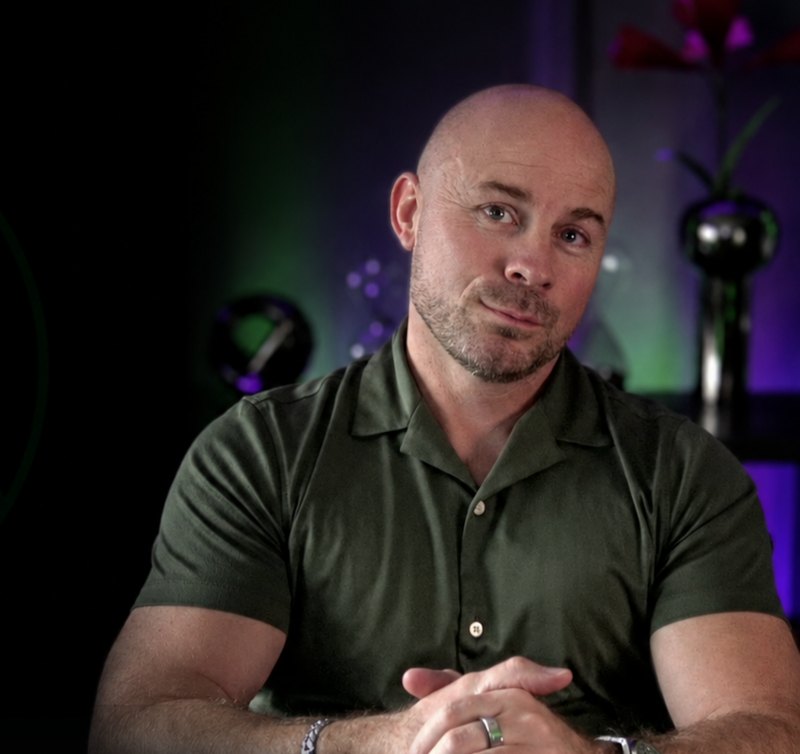
Hypnotherapy is not a treatment for binge eating disorder, and I don’t offer it as one. Your GP and an eating disorder service need to be part of your recovery, and the treatments NICE recommends are the place to start.
Where I can help is alongside that care, and only with your treatment team in the loop. That might mean work on stress, sleep or confidence, never in place of CBT or anything else your team is doing. If there’s no eating disorder and what you want to change is everyday overeating or comfort eating, that’s habit work I do directly, and my overeating and emotional eating guides explain how. My honest guide to whether hypnotherapy works sets out the wider research, and you can read about my qualifications as well.
Before we work together I’ll ask whether you’re getting support from your GP or an eating disorder service, and whether binges are part of what’s going on. If I think you need that support first, I’ll tell you honestly.
Common questions
What’s the difference between overeating and binge eating?
Overeating usually means eating more than you need now and then, and you can generally stop. Binge eating disorder means regularly eating a lot of food in a short time while feeling unable to stop, usually alone and followed by guilt or shame. Beat describes the diagnosis as involving at least one binge a week for at least three months.
Am I binge eating?
Only a proper assessment can tell you that. If you regularly eat large amounts quickly, feel out of control while you eat and feel guilty or ashamed afterwards, please talk to your GP or call Beat on 0808 801 0677. You don’t need a diagnosis to call Beat.
Can hypnotherapy help with binge eating?
Hypnotherapy is not a treatment for binge eating disorder, and I don’t offer it as one. NICE recommends guided self-help first, then CBT focused on eating disorders. Alongside that care, and with your treatment team’s knowledge, sessions may help with stress, sleep or confidence.
I’m worried about someone else. What can I do?
Pick a calm, private moment, talk about how they seem rather than about food or weight, and encourage them to see their GP. You could offer to go with them. Beat’s helplines are for anyone affected by an eating disorder, including family and friends, on 0808 801 0677 in England.
Is it confidential?
Yes. What you tell me stays between us. As with any therapist, the only exception is if I believed you or someone else were at serious risk of harm.
Talk it through
If you’re already getting support for binge eating and want help alongside it, or your eating is an everyday habit rather than an eating disorder, book a £49 consultation call. We’ll talk about whether sessions are likely to help, and if something else should come first, I’ll say so. Most people work with me online over Zoom, and I also see people face to face in Hertfordshire at the same price.
See session options and prices
Written by Adam Cox, clinical hypnotherapist. Sources: NHS, Binge eating disorder; NHS, Binge eating disorder treatment; NICE, Eating disorders: recognition and treatment (NG69), 2017, updated 2020; Beat, Binge eating disorder; Beat, Treatment for binge eating disorder; Beat helplines; Beat pages on going to the doctor, supporting someone, self-help, online support and HelpFinder; NHS Talking Therapies; Samaritans. Checked October 2026, including helpline numbers and hours.