

Crack cocaine addiction: honest help and where to turn in the UK
Please read this first
Chest pain or a fit is an emergency. Crack is a form of cocaine, and FRANK warns that even healthy young people can have a fit, heart attack or stroke after using cocaine. Cocaine can also raise your body temperature. Call 999 if someone has chest pain, a racing or irregular heartbeat, a fit, is overheating or has trouble breathing, and tell the crew what has been taken.
Mixing raises the danger. FRANK says the risk of overdose goes up when cocaine is mixed with alcohol or other drugs, and that injecting cocaine and heroin together, known as speedballing, can be fatal. If someone has used crack with heroin, alcohol or other downers and their breathing is slow or they can’t be woken, call 999 straight away.
While the ambulance is on its way. Stay with them the whole time. If they’re unconscious but breathing, roll them onto their side in the recovery position. If they stop breathing, the 999 operator will talk you through CPR. FRANK says that in most cases the ambulance service won’t tell the police.
FRANK is confidential and open 24 hours on 0300 123 6600, or text 82111. If the lows after crack leave you feeling hopeless or thinking about ending your life, Samaritans are free to call on 116 123, day or night.
Crack has a way of taking over fast. One pipe turns into a night, the night turns into a weekend, and the money goes quicker than seems possible. Afterwards there’s the low, the paranoia and the promise that it won’t happen again, until the next payday. Some people who end up reading this started on powder cocaine and never meant to go near crack at all.
If that’s where you are, you’re far from the only one. In England, 32,399 adults who started drug or alcohol treatment in 2024 to 2025 had a problem with crack, about 1 in 5 of everyone starting treatment that year, and most of them were also using opiates such as heroin (OHID, 2025). Drug services are there for exactly this, and asking them for help is a normal first step.
Signs crack has become a problem
FRANK says cocaine, crack included, is very addictive, and that some people keep using just to get over the after effects of the last time. Signs to look out for include:
- Using again to escape the low, anxious or paranoid feeling after a session
- Smoking until the money or the supply runs out
- Spending money meant for rent, bills or food
- Breathing problems or chest pain, which FRANK links to smoking crack regularly
- Using on your own, or hiding how much you use
- Drifting away from people who don’t use
FRANK also warns that injecting crack is much more dangerous than smoking it, and that sharing equipment can spread HIV and hepatitis.
Where to get help for crack addiction in the UK
- Local drug services. The NHS says you can go to your local drug service yourself if you’d rather not talk to a GP. You’ll get a keyworker who helps plan your treatment, which can include talking therapies. Find support near you
- Your GP. A good place to start, and the right person to check your heart and chest. They can refer you to a drug service too.
- FRANK. You can call FRANK in confidence at any hour on 0300 123 6600, or text 82111. Read FRANK’s guide to cocaine and crack.
- Cocaine Anonymous UK. Meetings in person and online, and a helpline on 0800 612 0225 for England and Wales, open 10am to 10pm every day. Cocaine Anonymous UK
- Other support groups. Narcotics Anonymous has a helpline on 0300 999 1212 (10am to midnight), and SMART Recovery runs free meetings in person and online.
- For family and friends. If someone you love is using crack, Adfam can point you to local family support, and Addiction Family Support takes calls on 0300 888 3853.
Where hypnotherapy fits
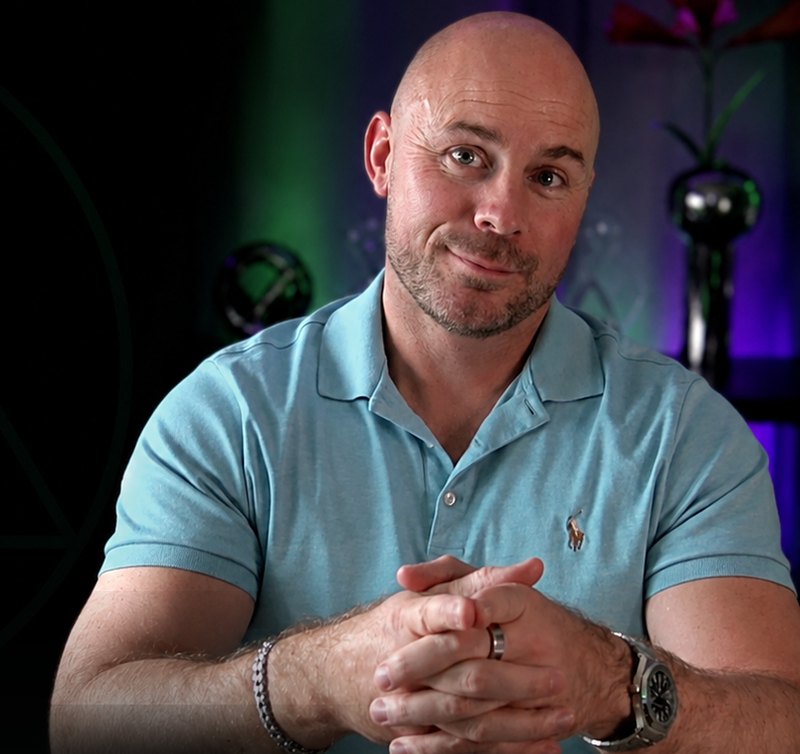
Hypnotherapy is not a treatment for crack addiction, and I don’t offer it as one. A drug service, and your GP if your heart or lungs have been affected, need to be part of your recovery.
Where I can help is alongside that care. When crack stops, it leaves gaps: evenings with nothing in them, sleep that won’t come, shame about the money, and the streets, people and phone numbers tied up with using. Our sessions can work on stress, sleep, confidence and those routines and places, so the plan you’ve made with your service has more holding it up. You’re the one making the changes. Sessions are there to back you while you do.
Before we work together I’ll ask whether you’re in touch with a drug service or your GP. If you’re not, I’ll ask you to contact one first, and if I think you need that support before anything else, I’ll tell you honestly.
Practical steps if you want to stop smoking crack
- Put distance between you and the cash. Ask someone you trust to help with your bank card or wages for a while, so a bad night can’t empty your account.
- Cut off the supply line. Delete and block the numbers. Every contact you remove is one less decision on a hard night.
- Plan for the low. The days after a binge are when going back feels most tempting. Have food in, keep the next day quiet and know who you’ll call.
- Get your chest checked. If you’ve had chest pain, a cough that won’t clear or trouble breathing, see your GP and be honest about what you’ve been smoking.
- Look after your mood. In England you can refer yourself to NHS Talking Therapies for anxiety and low mood, or ask your GP.
If you also use powder cocaine or drink heavily, my pages on cocaine and alcohol list more support.
Common questions
Is crack more addictive than cocaine?
FRANK doesn’t rate crack separately, but it says cocaine is very addictive. It also says the effects of smoking crack come on almost straight away and last around 10 minutes, with the peak lasting about two minutes. A high that short can leave people chasing the next one.
What’s the difference between crack and cocaine?
FRANK describes three types of cocaine: powder, crack and freebase. Crack looks like small lumps or rocks, is usually smoked and can smell like burnt plastic or rubber. It’s the same drug in a different form, and it’s Class A in the UK.
How do I get help for crack addiction?
You can contact a local drug service yourself, or start with your GP. FRANK can talk you through your options at any hour, and Cocaine Anonymous UK runs meetings for people who want to stop. Hypnotherapy can sit alongside that support, but it doesn’t replace it.
Is it confidential?
Yes. What you tell me stays between us. As with any therapist, the only exception is if I believed you or someone else were at serious risk of harm.
I’m worried about someone else’s crack use. What can I do?
Adfam and Addiction Family Support are there for the people close to someone who uses drugs. If they’ve mixed crack with heroin or alcohol and are hard to wake or breathing slowly, call 999. If they also use heroin, my page on heroin and opioids explains overdose signs and naloxone. Stopping has to be their choice, and looking after yourself in the meantime matters too.
Talk it through
If you’re already getting support and want help alongside it, book a £49 consultation call. We’ll look at what you’re doing with your service and whether sessions would add to it. Sessions are one to one over Zoom, and afterwards you get a recording of the hypnosis to listen back to. Prices and session options are on my work with me page.
Written by Adam Cox, clinical hypnotherapist. Sources: FRANK, cocaine; FRANK, what to do in an emergency;OHID, Adult substance misuse treatment statistics 2024 to 2025; NHS, drug addiction: getting help; Cocaine Anonymous UK. Checked October 2026.