

How to stop eating junk food: help with takeaways, fast food and crisps
Junk food habits run on convenience. The delivery app is on your phone, the drive-through is on the way home and there’s always a multipack of crisps in the cupboard. After a long day it can feel like the only thing that will hit the spot, and the order is placed before you’ve really decided.
Many people find that once they spot the moments that set off the order, they start choosing more often, and a takeaway goes back to being a treat rather than a reflex.
This page covers fast food, takeaways, delivery apps, crisps and other packaged snacks. I don’t do diets, and you won’t find weight targets here. The focus is on the habit: the cues, routines and feelings that keep you reaching for the same food.
You’re far from alone. In the Food Standards Agency’s Food and You 2 survey of adults in England, Wales and Northern Ireland, 31% had eaten a takeaway ordered from an online food delivery company in the previous four weeks (Food Standards Agency, Food and You 2 Wave 10).
Signs you might be addicted to junk food
- You order a takeaway most nights, or on autopilot whenever you're tired
- You open the delivery app "just to look" and nearly always order
- A sharing bag of crisps is gone before you've noticed you started
- You eat fast food in the car or on the way home so nobody sees
- The total you spend on deliveries and drive-throughs shocks you when you add it up
- You've said "no takeaways this week" and ordered one by Wednesday
Why it's so hard to stop eating junk food
Fast food and packaged snacks are easy to eat and very moreish, with a mix of salt, fat, sugar and crunch that's hard to stop at. Delivery apps add another layer. Offers, notifications and saved card details take away almost every pause between thinking about food and having it arrive. The fewer steps there are, the more the habit can run without you deciding.
Then there's what the food does for you. A takeaway can be a reward at the end of a hard week, a way to switch off or simply the easiest thing when you're exhausted. When it becomes the main way you look after yourself, the urge starts to arrive with the feeling, before you've even asked yourself if you're hungry.
How hypnotherapy can help you stop eating junk food
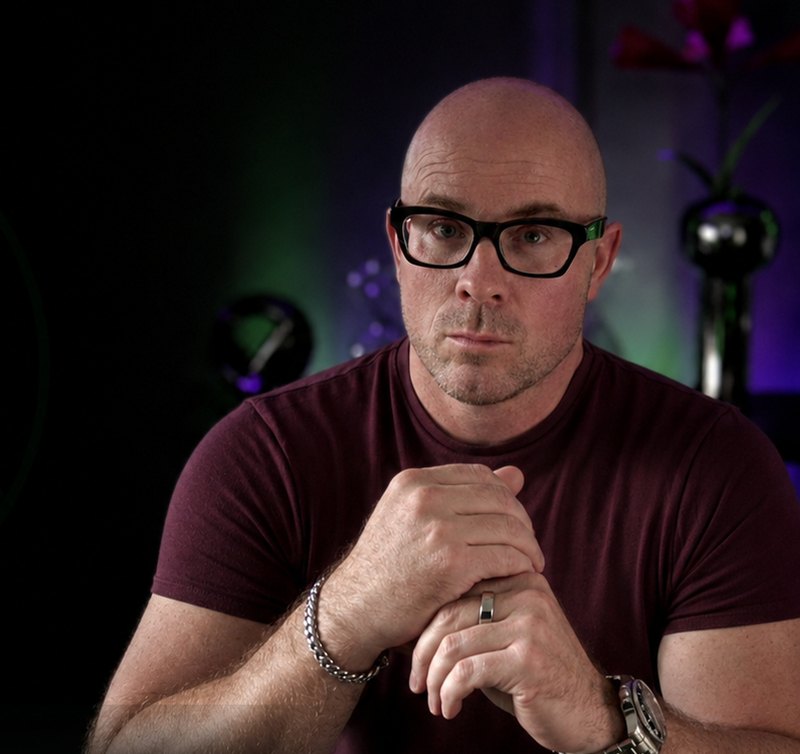
If you've promised yourself no takeaway this week and found the order placed by Friday, that isn't weakness. Convenience habits are quick by design, and they run before you've had a chance to decide.
Hypnosis is a relaxed, focused state in which it's easier to work on habits that happen on autopilot. We look at your own pattern: the Friday night order, the drive-through after work, the crisps in front of the TV. Then we rehearse those moments in hypnosis, so you get used to pausing and choosing rather than tapping "order" straight away.
I've spent 17 years in clinical practice, and I hold a Postgraduate Certificate and a Postgraduate Diploma in Clinical Hypnotherapy, both with Distinction.
We also work on the tiredness, stress or low mood that so often sits behind the habit, so food doesn't have to be your only reward or comfort. I won't hand you a meal plan, and I can't tell you in advance how much will shift. The change comes from you, and sessions help you feel more in charge of the choice.
Hypnotherapy isn't a treatment for an eating disorder. If you eat large amounts and feel out of control, or you make yourself sick, skip meals or exercise to make up for eating, please speak to your GP or Beat first.
How to stop ordering takeaways: things you can try today
- Put distance between you and the app. Log out, remove saved card details or move the app off your home screen, and turn off offers and notifications.
- Plan your hardest evening. If Friday or payday is when you order, decide in the morning what you'll eat, and keep something easy in the fridge or freezer.
- Eat regular meals. Going too long without food makes a fast, filling takeaway far more tempting later on.
- Change the route. If the drive-through is on your way home, try a different way for a few weeks.
- Serve snacks in a bowl. Eating crisps from a sharing bag makes it hard to notice how much you've had. Put some in a bowl and put the bag away.
- Keep takeaways, but choose them. You don't have to give them up. Pick a night in advance, enjoy it, and notice how different it feels from an order on autopilot.
If you tend to eat past full whatever the food, see my page on overeating. For picking at food between meals, my snacking page may fit better.
When a junk food habit needs your GP or Beat
If you often eat large amounts and feel out of control, or you make yourself sick, skip meals or exercise to make up for eating, please talk to your GP or call Beat on 0808 801 0677.
Beat's helplines are open 3pm to 8pm, Monday to Friday, for anyone in the UK, and you don't need a diagnosis to call.
If you're eating to cope with stress, anxiety or low mood, your GP is a good place to start, and in England you can refer yourself to NHS Talking Therapies. If what you spend on deliveries has left you in debt, StepChange gives free debt advice.
Common questions
Can you be addicted to junk food?
Junk food addiction isn't a medical diagnosis, but the pattern is real for a lot of people: strong urges, eating more than you meant to and finding it hard to stop even when you want to. If that sounds familiar, take it seriously, and talk to your GP if it worries you.
Why do I always want a takeaway when I'm tired?
When you're worn out, the part of you that plans ahead is running low, and the easiest option wins. If a takeaway has often been your reward at the end of a long day, tiredness itself becomes the cue. Having an easy alternative ready helps, and so does working on the habit.
Will you put me on a diet?
No. I don't give diets, calorie counts or weight targets, and I'm not a dietitian. Your GP can tell you how to see one if you'd like advice on what to eat. My work is on the habits, cues and feelings behind the food you reach for.
How many sessions will I need?
It depends on how many situations the habit is tied to. If there's one clear pattern, like the Friday night delivery, one 90 minute session may be enough to work on it. If it's mixed up with stress, tiredness or low mood, three sessions give us room for those as well. We'll agree what makes sense on a consultation call.
How do sessions work?
You join me one to one on Zoom from wherever suits you. We work on your own evenings, routes and trigger moments, and you're sent a recording of the hypnosis so you can listen again afterwards.
Want help to break the takeaway habit?
A short call is the simplest next step. Here's how it works.
- Take the check. See where you are now with the free check on this page.
- Talk it through. Book a £49 consultation call. We'll look at whether sessions would help, and the fee comes off your first session.
- Start your sessions. We work one to one over Zoom, and you keep a recording of the hypnosis to listen to between sessions.
See all session options and prices
Hypnosis downloads for junk food habits
If you'd rather start on your own, these downloads work on cravings for processed food and on making healthier everyday choices. Buy once and listen whenever you need to.


Written by Adam Cox, clinical hypnotherapist. Sources: Food Standards Agency, Food and You 2 Wave 10: eating out and takeaways; Beat helplines; NHS Talking Therapies; StepChange. Checked October 2026.