

Nasal spray addiction: how to stop using decongestant spray
Speak to a pharmacist first
Decongestant nasal sprays are meant for short spells. The NHS says decongestant sprays and drops should not be used for more than 5 days at a time, because using them for too long can make your stuffiness worse.
If you’ve been using one for weeks or months, please talk to a pharmacist or your GP about the best way to stop. They may suggest a different kind of spray, such as a steroid nasal spray, or a saltwater spray or rinse. If you have high blood pressure or diabetes, or you take other medicines, the NHS says to get advice from a pharmacist or GP before using decongestants at all.
It started with a cold. The spray worked so well that you kept it by the bed, then in your bag, and months later you can’t breathe through your nose without it. A few hours after each spray the stuffiness creeps back, and the only fix seems to be another spray.
Doctors call this rebound congestion, or rhinitis medicamentosa, and it isn’t a sign of weakness. This page explains why it happens, what a pharmacist or GP can offer and how hypnotherapy can help with the habit and the worry. Hypnotherapy doesn’t treat the swelling inside your nose. That part is for your pharmacist or GP.
Why nasal spray stops working: rebound congestion explained
Decongestant sprays work by reducing the swelling of the blood vessels in your nose, which helps to open the airways (NHS, Decongestants). Brands such as Otrivine Blocked Nose Relief and Sudafed Sinus-Ease contain a decongestant called xylometazoline (product information for Otrivine and Sudafed). Otrivine’s product information warns that prolonged or excessive use may cause rebound congestion.
StatPearls, a medical reference hosted by the US National Library of Medicine, describes rhinitis medicamentosa as inflammation of the lining of the nose caused by overusing decongestant sprays, and says it typically develops after 5 to 7 days of use (StatPearls, Rhinitis medicamentosa, 2026). One theory is that keeping the blood vessels narrowed for so long leaves the lining short of blood, so it swells.
Specialists don’t all agree on how it happens. A French expert panel argued in 2013 that, in people with sinus problems, the rebound is mostly the original congestion returning (Mortuaire and colleagues, 2013). A 2006 review noted that nobody knows exactly how much use causes the problem, so decongestants should be used for the shortest time possible (Ramey and colleagues, 2006).
Signs you’re addicted to nasal spray
- You’ve used it well past the number of days on the packet
- Your nose blocks up again within hours of each dose
- You can’t breathe through your nose, or get to sleep, without it
- There’s a bottle by the bed, another in your bag and one in the car
- The thought of running out makes you anxious
- You’ve tried to stop and gone back to it within a day or two
This isn’t addiction in the sense of chasing a high. Your nose has come to rely on the spray, and a habit and a fear build up around that.
Why it’s so hard to stop using nasal spray
Part of it is physical. StatPearls warns that congestion may temporarily get worse after you stop, and that this shouldn’t be mistaken for the treatment failing. It’s a hard stretch to push through.
The rest is habit and fear. Not being able to breathe through your nose is unpleasant, and lying in the dark with a blocked nose can feel frightening. After months of quick relief, your hand goes to the bottle before you’ve decided anything, sometimes “just in case” before bed or a meeting. That worry about not coping can send you back on the second night.
How to stop using nasal spray: what a pharmacist or GP may suggest
Please talk to a pharmacist or your GP before you stop. This is what reliable sources describe:
- Stopping the decongestant. Medical reviews describe this as the main treatment for rhinitis medicamentosa.
- A steroid nasal spray. The 2006 review says steroid sprays may be used to help the nose recover faster. In the UK, adults aged 18 and over can buy some, such as beclometasone, from pharmacies and shops. The NHS says beclometasone takes a few days to work fully (NHS, Beclometasone nasal spray). A pharmacist can tell you whether one suits you.
- Saltwater sprays or rinses. The NHS says a pharmacist can advise on saltwater sprays and rinses for a blocked nose (NHS, Non-allergic rhinitis).
- A gradual approach. StatPearls mentions stopping in one nostril at a time as one option, so a pharmacist may suggest something along those lines. Please don’t make up your own plan without advice.
- Prescription treatment. The NHS says a GP may prescribe stronger medicine, such as prescription nasal sprays.
How long does it take to get off nasal spray?
There’s no fixed timetable, and your nose may feel more blocked for the first few days. StatPearls says that once a steroid spray is started, the blocked feeling may ease within 48 hours, compared with more than a week on a dummy spray in studies, and that the swelling inside the nose often needs 7 to 14 days of treatment to settle. It also advises against going back to decongestant sprays afterwards, even for short spells, because the problem can return.
How hypnotherapy can help you stop using nasal spray
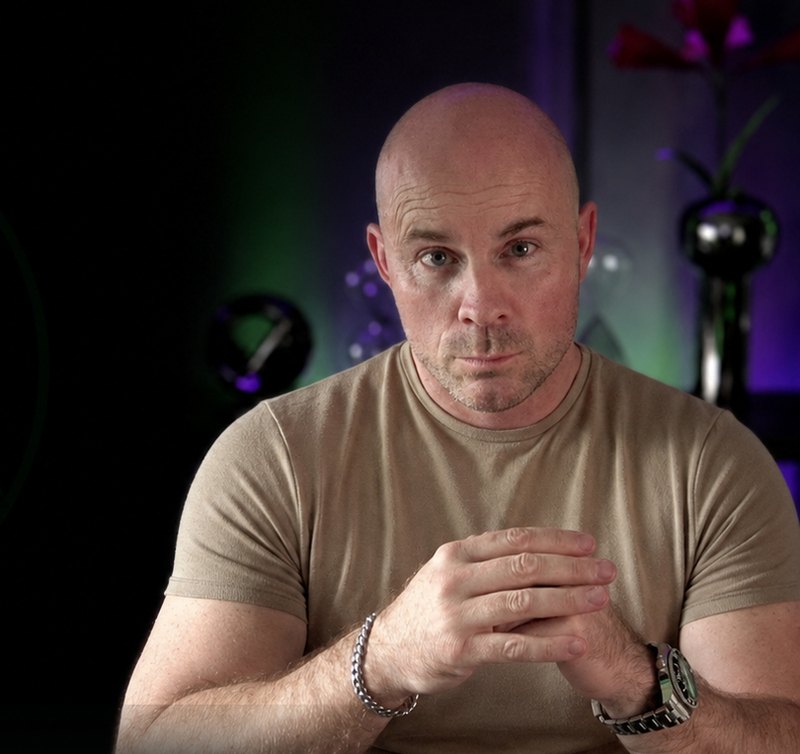
Hypnotherapy doesn’t treat rebound congestion, and it isn’t a substitute for your pharmacist or GP. Where it can help is with the automatic reach for the bottle, the “just in case” spray and the anxiety about not being able to breathe.
In a relaxed, focused state we practise staying calm when your nose feels blocked, settling to sleep while it recovers and catching the moments you usually reach for the spray. You’ll still be the one leaving the bottle alone, and the first nights may be uncomfortable whatever we do. Sessions are there to make them more manageable. For the honest picture on the research, see my guide to whether hypnotherapy works, and there’s more about my qualifications here. My podcast, The Hypnotist, also has free hypnosis sessions, including some for sleep.
Things you can try today
- See a pharmacist this week. Take the spray so they can see what you’ve been using.
- Don’t double up. The NHS says not to use more than one medicine for a blocked nose at the same time, such as two nasal sprays, or a spray with tablets or capsules for congestion. Check with a pharmacist before you add anything.
- Check your other medicines. The NHS lists some medicines, including ACE inhibitors, beta blockers, aspirin and ibuprofen, among the causes of non-allergic rhinitis. Don’t stop anything on your own, but ask whether it could play a part.
- Notice your “just in case” moments. Jot down when you reach for the spray and whether your nose was really blocked.
- Plan the first nights. Once you’ve agreed a plan with your pharmacist, keep the decongestant out of the bedroom and have a calm wind-down ready.
When to see your GP about a blocked nose
- Not improving. The NHS says to speak to a GP if your symptoms don’t improve, or get worse, after using a decongestant for 5 days, or if treatments from a pharmacist aren’t working.
- Affecting your life. See a GP if a blocked nose is affecting your sleep and everyday life, it isn’t clear what’s causing it, or your asthma gets worse.
- Your breathing or sense of smell. The NHS advises seeing a GP if you have difficulty breathing or notice changes to your sense of smell.
- One side, or bleeding. A blocked nose on one side that doesn’t go away, nosebleeds or mucus with blood in it are worth getting checked if they get worse or don’t get better after a few weeks. The NHS says these are very common and can be caused by other conditions. See a GP too if you have regular nosebleeds.
- Go to A and E if a nosebleed lasts longer than 10 to 15 minutes, the bleeding seems excessive, or you have a nosebleed and are having difficulty breathing (NHS, Nosebleed).
If worry about your breathing has started to affect your day, you can also refer yourself to NHS Talking Therapies if you live in England and are 18 or over.
Common questions
How long can you use a decongestant nasal spray?
The NHS says decongestant nasal sprays and drops should not be used for more than 5 days at a time. Its rhinitis page says no more than a week, and some packets say up to 7 days in a row. Follow your leaflet, and ask a pharmacist if you’re unsure.
Can you get addicted to nasal spray?
Not in the way people get addicted to alcohol or drugs, because the spray doesn’t give you a high. But using a decongestant for too long can leave your nose relying on it, and the habit and worry around that can make it very hard to stop.
Are Otrivine and Sudafed nasal sprays decongestants?
Several are. Otrivine Blocked Nose Relief and Sudafed Sinus-Ease, for example, contain xylometazoline, a decongestant. Steroid and saltwater sprays work differently. Check the box, or ask a pharmacist.
How many sessions will I need?
One 90 minute session, focused on the night-time worry and the reach for the bottle, may be enough to get you started. If anxiety about your breathing runs wider than the spray, three sessions give us more room. We can work out which suits you on a consultation call.
How do sessions work?
Most people work with me one to one over Zoom, and I also see people face to face in Hertfordshire at the same price. You get a recording of the hypnosis afterwards, which you can play at bedtime while your nose settles.
Ready to start?
Once you’ve spoken to a pharmacist or your GP, book a £49 consultation call and we’ll talk through the habit, the night-time worry and whether sessions would help, or take the free check first.
See all session options and prices
Written by Adam Cox, clinical hypnotherapist. Sources: NHS, Decongestants; NHS, Non-allergic rhinitis, reviewed March 2026; NHS, About beclometasone nasal spray; NHS, Nasal polyps; NHS, Nasal and sinus cancer symptoms; NHS, Nosebleed; Zeitlin, Shermetaro and Sutton, Rhinitis medicamentosa, StatPearls, updated March 2026; Ramey, Bailen and Lockey, Rhinitis medicamentosa, J Investig Allergol Clin Immunol, 2006; Mortuaire and colleagues, Rebound congestion and rhinitis medicamentosa, 2013; Otrivine Blocked Nose Relief patient leaflet, revised February 2024; electronic medicines compendium product information for Otrivine Blocked Nose Relief and Sudafed Sinus-Ease. Checked October 2026.