

Nicotine withdrawal: symptoms, timeline and how long cravings last
The first few days without nicotine can feel odd. You might be short-tempered, foggy or wide awake at 2am, and the urge to smoke, vape or put a pouch in can arrive out of nowhere. That is nicotine withdrawal. It is uncomfortable and it is normal, and the NHS says it lasts 3 to 4 weeks on average.
Many people find that once they have a plan for their trigger moments, the cravings feel more manageable while their body adjusts.
This page covers what to expect and when, how long cravings last, sleep and when to see a doctor, for cigarettes, vapes and pouches. For help with the habit itself, I have separate guides on stopping smoking, quitting vaping and quitting Zyn and other pouches.
How long does nicotine withdrawal last? A rough timeline
This NHS timeline is written for stopping smoking. The NHS gives no separate one for vaping or pouches and says everyone’s experience is different, so treat it as a rough guide.
| When | What you might notice |
|---|---|
| Days 1 to 3 | Usually the hardest stretch. Symptoms are generally strongest in the first week, and especially in the first 3 days. |
| After about 48 hours | If you smoked, taste and smell start to improve. Food may taste nicer and you could feel hungrier. |
| The first 28 days | The NHS advises staying away from the places and situations that make you want to smoke. It says that once you reach 28 days smoke free, you are 5 times more likely to stay stopped. |
| 3 to 4 weeks | On average, this is how long symptoms last. |
| A few months | Some people feel symptoms for longer, sometimes for a few months. |
Sources: NHS Better Health, Managing nicotine withdrawal symptoms and NHS Better Health, What could happen when you quit smoking.
Nicotine withdrawal symptoms
The NHS lists these for stopping smoking and vaping. You may get a few or most of them:
- strong urges or cravings to smoke, vape or use a pouch
- trouble concentrating, or a foggy head
- feeling restless and fidgety
- trouble sleeping
- getting irritable, frustrated or angry more easily
- feeling anxious, tense or low
- feeling hungrier than usual
Vaping withdrawal symptoms and quitting vaping side effects
The NHS guide to quitting vaping lists strong cravings, feeling irritable or low, trouble concentrating, feeling hungrier than usual and difficulty sleeping. That is the same picture as stopping cigarettes, because the drug is the same. What is different is the habit. A vape is in your hand far more often than a cigarette ever was, so you notice it missing more often. The same goes for nicotine pouches, which tend to be missed at a desk or before training.
The NHS says cutting down gradually can help, for example by lowering the nicotine strength over time or stretching the gap between puffs. If you would rather stop in one go, a pharmacist or stop smoking adviser can talk to you about nicotine replacement.
How long do nicotine cravings last, and how to cope with them
A single craving is short. The NHS says cravings only last up to 15 minutes, even though it can feel much longer at the time. Cravings in general fade over the weeks, but they can still turn up when something reminds you of the old routine, such as a drink, a stressful call or a long drive.
That is why vape cravings after 2 weeks are not a sign that something has gone wrong. You are still inside the average withdrawal period, and the cravings that remain are usually tied to particular places and moods. These are the ones worth planning for:
- Time it. When a craving starts, note the time and do something else for 15 minutes.
- Move. The NHS suggests a quick burst of activity, such as a brisk walk or a few flights of stairs.
- Give your mouth and hands a job. Sugar-free gum, carrot or celery sticks, or slow breaths in through the nose and out through the mouth.
- Change the routines around nicotine for the first 28 days. Drink your coffee somewhere different, take a new route, sit somewhere else at work.
- Use proper stop smoking aids. The NHS says combining a nicotine-free medicine with nicotine patches or gum makes you much more likely to succeed. Ask your GP or your local Stop Smoking Service what suits you.
Can’t sleep after quitting vaping or smoking?
Trouble sleeping is on the NHS list of withdrawal symptoms, and Help Me Quit, the stop smoking service in Wales, says sleep disruption should settle down as you adjust.
The NHS advice on insomnia fits well here:
- get up at the same time every day, even after a bad night
- relax for at least an hour before bed, with a bath or a book rather than a screen
- avoid tea and coffee for at least 6 hours before bed
- keep your bedroom dark and quiet
The NHS says to see a GP if changing your sleep habits has not helped, or you have had trouble sleeping for months.
When to get medical help
Withdrawal passes, but speak to a professional if:
- You take regular medicines. Tell your GP or pharmacist before you stop smoking. Tobacco smoke affects how the body breaks down some medicines, including clozapine, olanzapine, theophylline and warfarin, so a dose may need checking. Do not change a dose yourself (NHS Specialist Pharmacy Service).
- Your mood drops and stays low. Feeling flat for a few days is common. If it does not lift, or you think you may be depressed, the NHS says it is important to see a GP. If you feel hopeless or have thoughts of ending your life, call Samaritans free on 116 123, any time.
- Your mouth is sore. If you used pouches and have a mouth ulcer that has lasted more than 3 weeks, or a red or white patch or a lump, see a GP or dentist.
- You want help to stay stopped. Your local Stop Smoking Service is free, and the NHS says it can improve your chances of stopping. You can also call the Smokefree National Helpline on 0300 123 1044 in England, Quit Your Way Scotland on 0800 84 84 84 or Help Me Quit on 0800 085 2219 in Wales.
Where hypnotherapy fits with nicotine withdrawal
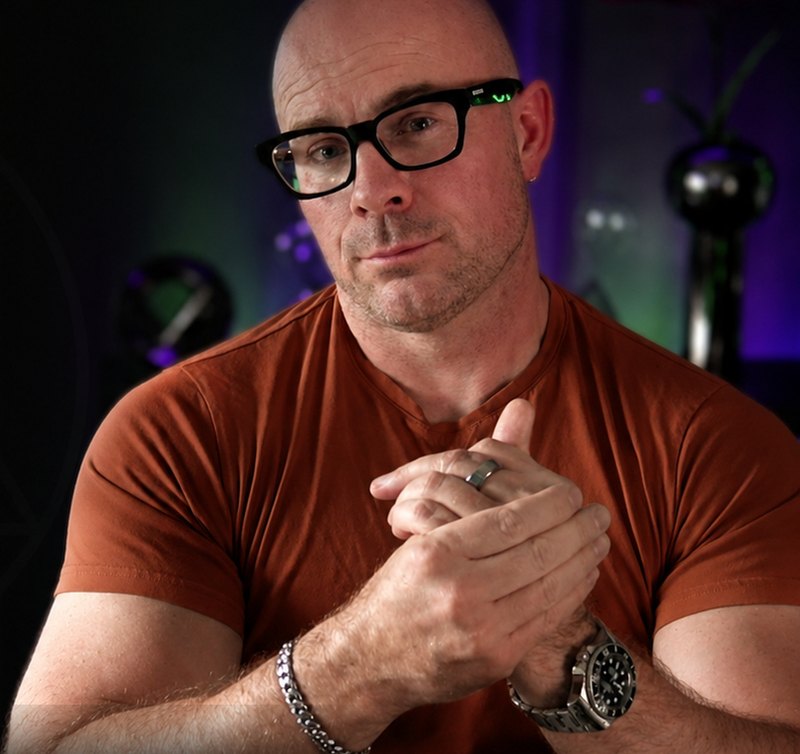
If you are snapping at people and thinking about a cigarette every few minutes, that is a normal part of stopping, and it does not mean you are failing.
Hypnotherapy will not stop your body noticing that the nicotine has gone, and it is not a replacement for patches, gum or a stop smoking adviser. What it can work on is the habit loop: the moments that set off a craving. In a session you are relaxed and focused, and we go through your own trigger points one at a time, rehearsing getting through each one calmly. It sits happily alongside any stop smoking aid.
I’ve spent 17 years in clinical practice, and I hold a Postgraduate Certificate and a Postgraduate Diploma in Clinical Hypnotherapy, both with Distinction.
You still need to want to stop, and there will still be hard moments. My aim is to make those moments more manageable, so you are not relying on willpower alone for a month. If you would like to know who you would be working with, here is more about my qualifications. You can also hear real sessions on my podcast, The Hypnotist.
Common questions
How long does nicotine withdrawal last?
On average 3 to 4 weeks, according to the NHS, with the worst usually in the first 3 days. Some people feel symptoms for a few months. That timeline is for smoking, and the NHS does not give one for vaping or pouches.
Is it normal to still have vape cravings after 2 weeks?
Yes. Two weeks is still inside the 3 to 4 weeks the NHS gives as the average length of withdrawal. The cravings that hang on tend to be linked to particular places, people and moods, so they are worth planning for rather than just waiting out.
What are nicotine pouch withdrawal symptoms, day by day?
There is no NHS timeline for pouches on their own. They deliver nicotine, so expect a similar pattern to stopping smoking: urges and irritability early on, the hardest days at the start and a slow easing over the following weeks. The lip habit and the times you would normally have one in are often the hardest part. My Zyn and Velo page covers that.
Will I put on weight when I stop nicotine?
Some people do. The NHS says nicotine helps suppress your appetite, so it may go up when you stop, and food can taste better within a couple of days of stopping smoking. My page on cravings and weight gain after quitting has practical ways to handle it.
How many sessions will I need?
That depends on how long you have used nicotine and how many times you have tried to stop before. One 90 minute session suits some people who are ready to stop on a set date. Others prefer three, so we can come back to the moments still catching them out after the first week or two. We can decide on the consultation call.
How do sessions work?
We meet online, one to one over Zoom, so you can join from home. Afterwards you get a recording of the hypnosis, which you can replay during the first few weeks while cravings are at their strongest.
Cravings wearing you down?
A short call is the simplest next step. Here’s how it works.
- Take the habit check. See where you are now with the free habit check.
- Talk it through. Book a £49 consultation call. We’ll look at whether sessions would help, and the fee comes off your first session.
- Start your sessions. We work one to one over Zoom, and you keep a recording of the hypnosis to listen to between sessions.
See all session options and prices
Hypnosis downloads for the first weeks without nicotine
If you would like something to listen to while withdrawal is at its worst, these downloads cover nicotine cravings, the pull to go back and getting to sleep when your mind will not settle. Once you buy one, you can listen to it as often as you like.


Written by Adam Cox, clinical hypnotherapist. Sources: NHS Better Health, Managing nicotine withdrawal symptoms; NHS Better Health, What could happen when you quit smoking; NHS Better Health, How to quit vaping; Help Me Quit, How to quit vaping; NHS stop smoking services; NHS, Insomnia; NHS, Depression in adults; NHS, Mouth cancer symptoms; NHS Specialist Pharmacy Service, Managing specific interactions with smoking. Checked October 2026.