

How to stop smoking shisha: hypnotherapy for a shisha habit
Shisha often starts as something social. A night at a lounge with friends, a pipe passed round after a meal, the sweet smell of fruit flavours. Because it’s slow and shared, it can feel like a gentler kind of smoking. For many people it turns into a regular habit, and some end up buying their own pipe and smoking at home most evenings.
Many people find that once shisha stops being the automatic part of a night out, they can enjoy time with friends without the pipe.
This page is for people who smoke shisha, hookah or another waterpipe and want to cut down or stop. If you also smoke cigarettes, see my stop smoking page, and if you use a vape, see quit vaping.
Shisha isn’t the safer option it can seem. The British Heart Foundation says a session usually lasts 20 to 80 minutes, and in that time a shisha smoker can inhale the same amount of smoke as someone smoking over 100 cigarettes. Shisha usually contains nicotine, which is addictive, and it can also contain carbon monoxide, tar and heavy metals such as arsenic and lead (British Heart Foundation, shisha).
Signs your shisha smoking has become a habit
- You've gone from the odd night out to most weeks, or most evenings
- You've bought your own pipe so you can smoke at home
- Sessions last longer than they used to, sometimes hours
- You feel restless or irritable on the days you don't smoke
- You notice a cough, a sore throat or getting out of breath more easily
- You've meant to cut down and found yourself back at the lounge
Why it's hard to stop smoking shisha
Nicotine is a big part of it. The British Heart Foundation explains that it gives a brief feeling of pleasure, so you feel pulled to smoke again, and over time you may need more to get the same effect. Because a session is slow and sociable, it rarely feels like heavy smoking, which makes the habit easy to underestimate.
The other half is the ritual and the company. Shisha is often tied to particular friends, places, music and late nights. Preparing the bowl, choosing the flavour and the bubbling sound all become part of the cue. When your social life is built around it, stopping can feel like losing more than the smoke, which is why willpower on its own often runs out.
How hypnotherapy can help you quit shisha
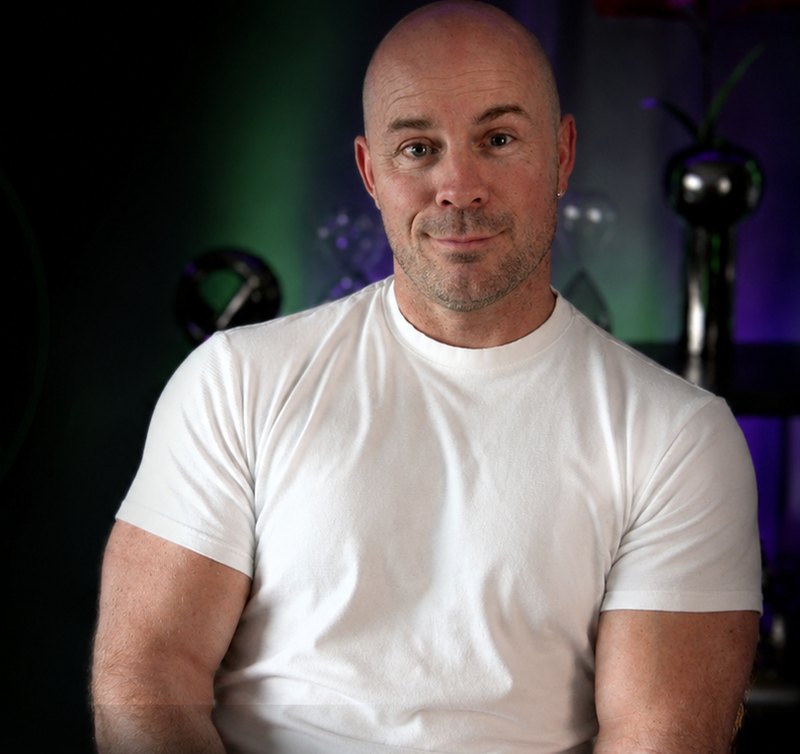
If you've meant to cut down and found yourself at the lounge again by the weekend, that isn't weakness. Shisha is often tied to people and places you enjoy, which is what makes it hard to give up.
During hypnosis your attention narrows and your body settles, which gives us a good chance to work on something that has become automatic. We look at when and where you smoke shisha, who you're with and what it gives you, such as winding down, feeling part of the group or simply something to do with your evening. Then we rehearse those situations in hypnosis, including how you'll handle a night at the lounge once you've decided not to smoke.
I've spent 17 years in clinical practice, and I hold a Postgraduate Certificate and a Postgraduate Diploma in Clinical Hypnotherapy, both with Distinction.
You'll still have to make the decision and stick to it, and I can't tell you in advance how strong the urges will be or how quickly they'll settle. What sessions aim to do is make saying no feel calmer and more natural. You can use hypnotherapy alongside stop smoking aids such as patches or gum, so you don't have to choose between them.
How to stop smoking shisha: things you can try today
- Add it up. Write down how many sessions you have a week, how long they last and what you spend. Seeing it on paper often changes how it feels.
- Set a quit date. Pick a day in the next couple of weeks, tell the friends you smoke with, and ask them not to offer.
- Plan your social nights. Suggest places where nobody's smoking, or go along with a plan for what you'll order and when you'll leave.
- Clear it out of the house. If you have a pipe, charcoal or tobacco at home, get rid of them, so smoking takes effort.
- Don't share mouthpieces. Until you stop, avoid sharing pipes or mouthpieces, which can spread viruses.
- Ask about stop smoking aids. Your GP, pharmacist or practice nurse can suggest nicotine replacement such as patches or gum to help with cravings.
Free help to stop smoking shisha
NHS stop smoking services are free, and your GP, pharmacist or health visitor can refer you. England, Scotland and Wales each have a free helpline too:
- England: Smokefree National Helpline on 0300 123 1044
- Scotland: Quit Your Way Scotland on 0800 84 84 84
- Wales: Help Me Quit on 0800 085 2219
Tobacco-free shisha isn't a safe swap, and the law treats shisha the same as cigarettes, so it's illegal to smoke it in an enclosed or mostly enclosed public place or workplace, even if it's tobacco-free (Manchester City Council). Smoking shisha in pregnancy can lead to restricted growth and low birth weight, so please talk to your midwife or GP about stopping (Harrow Council).
See your GP about a cough that won't clear or breathlessness that is getting worse. If you get a headache, dizziness or feel sick during a session, stop, go outside and call NHS 111, because these can be signs of carbon monoxide poisoning. Call 999 if someone is finding it hard to breathe, has suddenly become confused, has lost consciousness, is feeling weak or has chest or muscle pain.
Common questions
Is shisha worse than cigarettes?
The British Heart Foundation says shisha is not safer than cigarettes. It carries many of the same risks, including heart and circulatory disease, cancers and nicotine addiction, and because sessions are long you can breathe in a large amount of smoke in one sitting.
Does the water filter out the harmful chemicals?
No. The water cools the smoke, which can make it feel smoother, but it doesn't wash away the harmful chemicals.
Is herbal or tobacco-free shisha safe?
No. Tobacco-free shisha still produces smoke containing carbon monoxide and other harmful chemicals, and the British Heart Foundation says it can be as harmful as tobacco shisha, or more so.
How many sessions will I need?
If shisha is mainly a weekend thing with friends, one 90 minute session focused on those nights may suit you. If you smoke most days, or at home on your own, three sessions give us time to work on the evenings, the cravings and what shisha does for you. We'll decide together on a consultation call.
How do sessions work?
Everything happens one to one on Zoom, so there's no travelling. I tailor each session to the places, people and times you smoke, and you get a recording of the hypnosis to play back afterwards.
Want help to stop smoking shisha?
A short call is the simplest next step. Here's how it works.
- Take the check. See where you are now with the free check on this page.
- Talk it through. Book a £49 consultation call. We'll look at whether sessions would help, and the fee comes off your first session.
- Start your sessions. We work one to one over Zoom, and you keep a recording of the hypnosis to listen to between sessions.
See all session options and prices
Hypnosis downloads to help you stop smoking
If you'd like to start on your own, these downloads are about smoking in general rather than shisha, but they work on the same habit and on seeing yourself as a non-smoker. You can replay them as often as you like.


Written by Adam Cox, clinical hypnotherapist. Sources: British Heart Foundation, shisha; Harrow Council, effects of smoking shisha; Manchester City Council, shisha; NHS stop smoking services; NHS, carbon monoxide poisoning. Checked October 2026.