

Solvent abuse: honest help with glue, gas and aerosol sniffing
Please read this first
Any use can kill. FRANK says there are over 50 deaths a year involving glues, gases, solvents and aerosols, with butane involved in the most. It’s hard to get the dose right, a little too much can cause a coma or death, and every way of taking them is potentially fatal. Solvents can make your heart go out of rhythm, which if severe can lead to a heart attack.
Bags and sprays raise the danger. Inhaling from a plastic bag over your head risks suffocation, especially in an enclosed space or if the bag covers your nose and mouth. FRANK says squirting gas down your throat is a particularly dangerous way to use it. FRANK also says mixing drugs is always risky, so adding alcohol or other drugs on top of solvents makes things more unpredictable.
Call 999 if someone is unconscious, struggling to breathe or has chest pain. If they’re unconscious but breathing, put them in the recovery position so they don’t choke, and stay with them. FRANK is confidential and open 24 hours on 0300 123 6600, or text 82111. If you’re feeling hopeless or thinking about ending your life, call Samaritans free on 116 123, any time.
Solvent abuse is usually talked about as something teenagers do, so adults who still sniff glue, gas or aerosols can feel there’s nowhere for them to turn. It might have started years ago and never quite stopped. It might be something you go back to when things are bad, because it’s so easy to get hold of. Either way, you deserve the same honest help as anyone else.
This page is written for adults. If you’re a parent worried about a child, there’s a section for you further down.
If you’re under 18 and this is about you, please talk to an adult you trust, like a parent, carer, school nurse or GP. Childline is free to call on 0800 1111, FRANK will talk to you in confidence at any hour, and Re-Solv has a section for under 18s. I only work with adults, so the consultation on this page isn’t for you, but you still deserve proper help.
Signs solvent use has become a problem
FRANK says tolerance can build within a few weeks in regular users, and that it may be possible to become psychologically dependent, although the evidence is limited. Signs to watch for include:
- Using more often, or needing more for the same effect
- Feeling anxious, irritable or getting headaches when you stop
- Passing out, being sick, or your heart racing while you use
- Falls, injuries or accidents while you’re high
- Using on your own, or to get through the day
- Money, work or relationships starting to suffer
Where to get help in the UK
- Your GP. A confidential place to start, and the right person to check any heart symptoms, blackouts or injuries. Be honest about what you’ve been using.
- FRANK. Confidential advice 24 hours a day on 0300 123 6600, or text 82111. Read FRANK’s guide to glues, gases and aerosols.
- Local drug services. Adults can contact a local service directly, without seeing a GP first, and will usually be given a keyworker. Services in England don’t charge in your local area. Find a drug service
- Re-Solv. The UK’s solvent abuse charity, with separate help pages for adults, under 18s, parents, and families and friends. Visit Re-Solv
- Support groups. Meeting others who have stopped can help. Narcotics Anonymous runs meetings around the UK and online, and its helpline is 0300 999 1212, 10am to midnight. SMART Recovery groups cost nothing.
- Family and friends. Addiction Family Support answers calls on 0300 888 3853 from people affected by someone else’s drug use, and Adfam has advice for families.
Where hypnotherapy fits
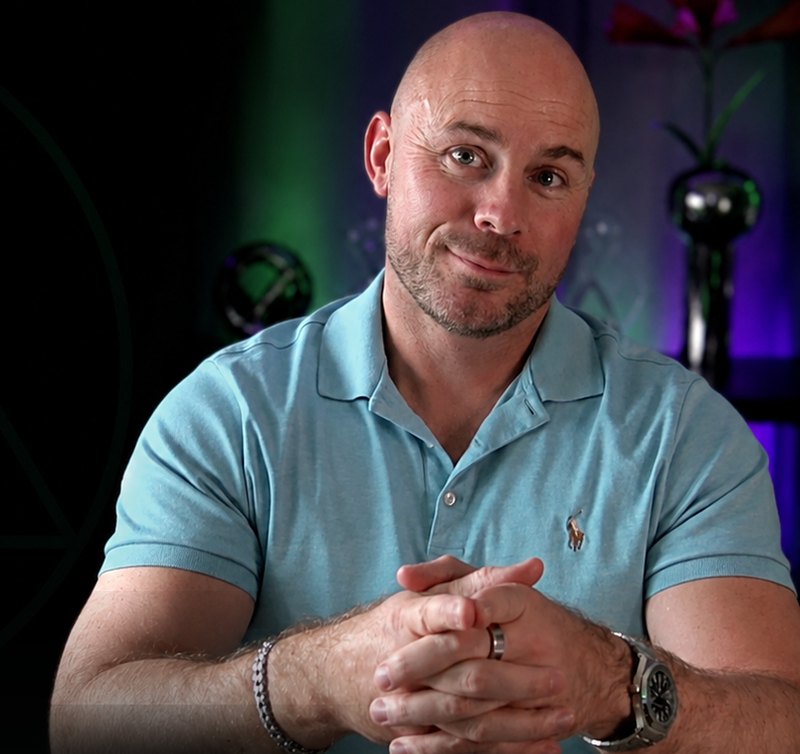
Hypnotherapy is not a treatment for solvent abuse, and I don’t offer it as one. Your GP and a drug service need to be part of your recovery, particularly if you’ve had heart symptoms or blackouts.
Where I can help is alongside that care. If solvents have been your way of blotting out stress, boredom or a bad stretch of life, those things will still need attention once you stop. Sessions can work on easing stress, sleeping better and building confidence, as well as the times, places and moods that tend to lead to using. The effort to stay stopped is yours, and sessions can help carry some of the load.
Before we work together I’ll ask whether you’re getting support from your GP or a drug service. If I think you need that support first, I’ll tell you honestly.
If you’re worried about a child using solvents
I work with adults, so I’m not the right person to help a child directly. FRANK has advice for parents and carers, which suggests keeping the conversation broad to begin with, staying calm and not accusing them, and not trying to talk while they’re high. It also suggests supporting them to speak to another adult, such as a school nurse, GP, youth worker or specialist service. Your GP is a good place to start, and Re-Solv has a section for parents. If a child is unconscious or struggling to breathe, call 999.
Things that can help day to day
- Talk to someone this week. FRANK, your GP or a drug service can help you make a plan to stop.
- Clear the house. The fewer cans, tins and refills around you, the fewer decisions you have to make on a hard day.
- Know your hard times. Notice when you usually use, such as late at night or when you’re alone, and plan something else for those moments.
- Expect a rough few days. FRANK says people who stop can feel anxious, irritable and get headaches. That’s a reason to have support, not a sign you’ve failed.
- Look after your mood. If anxiety or low mood sits underneath it, you can refer yourself to NHS Talking Therapies in England, or talk to your GP.
Common questions
Can sniffing glue or gas kill you?
Yes. FRANK says there are over 50 deaths a year involving glues, gases, solvents and aerosols. A little too much can cause a coma or death, solvents can make the heart go out of rhythm, and some people die from passing out and choking on their own vomit.
Is solvent abuse addictive?
FRANK says tolerance can build within a few weeks in regular users, and that it may be possible to become psychologically dependent, although the evidence is limited. People who stop can feel anxious and irritable and get headaches.
Are solvents illegal?
FRANK says glues, gases, solvents and aerosols aren’t illegal, but that doesn’t mean they’re safe. There are laws on selling them, including that it’s illegal to supply butane gas lighter refills to anyone under 18.
Is it confidential?
Yes. What you tell me stays between us. As with any therapist, the only exception is if I believed you or someone else were at serious risk of harm.
I’m worried about someone else’s solvent use. What can I do?
If they’re unconscious or struggling to breathe, call 999. If it’s an adult, FRANK, Re-Solv and Addiction Family Support can help you think through what to do and look after yourself. If it’s a child, start with FRANK’s advice for parents and your GP.
Talk it through
If you’re already getting support and want help alongside it, book a £49 consultation call. We’ll talk about your situation and whether sessions would sit well with the help you already have. Sessions are one to one over Zoom, and I send you a recording of the hypnosis afterwards. My work with me page explains the options and costs. If you also drink heavily or use nitrous oxide, my pages on alcohol and nitrous oxide list more support.
Written by Adam Cox, clinical hypnotherapist. Sources: FRANK, glues, gases and aerosols; FRANK, concerned about a child; FRANK, what to do in an emergency; NHS, drug addiction: getting help. Checked October 2026.