
Spice and synthetic cannabinoids: honest help if you want to stop
Please read this first
You can’t know how strong it is. FRANK says synthetic cannabinoids are often more potent than natural cannabis, the strength changes between packets and batches, and you can never be 100% sure how powerful a dose will be. Vapes sold as THC from illegal sources have been found to contain them, and have led to overdoses in the UK, some needing hospital treatment.
Call 999 if someone has chest pain, is fitting, has collapsed, can’t be woken or is struggling to breathe. If they’re unconscious but breathing, put them in the recovery position and stay with them. Tell the crew everything you know. FRANK also warns that some drugs are being cut with nitazenes, strong synthetic opioids that have killed hundreds of people in the UK.
Mixing makes it worse. FRANK says mixing drugs is always risky and some mixtures are more dangerous than others. Adding alcohol, opioids, benzos or anything else that slows your breathing to spice raises the danger further.
FRANK is confidential and open 24 hours on 0300 123 6600, or text 82111. If you’re feeling hopeless or thinking about ending your life, call Samaritans free on 116 123, any time.
Spice tends to get talked about as if only one kind of person uses it. The reality is more mixed. Some people start using it on purpose. Others never meant to take it at all, and it turned up in a vape they thought was cannabis. However it started, if you use spice regularly you may have told yourself you’ll stop next week, and found that next week keeps moving.
ONS counts spice as one of the new psychoactive substances, a group that also includes drugs like mephedrone and GHB. In England and Wales, 0.3% of people aged 16 to 59 used one of these in the last year (ONS, 2025). If you’re one of them and it’s become hard to stop, this page sets out the risks plainly and where you can get proper help.
Signs spice has become a problem
FRANK says research suggests you can become dependent on synthetic cannabinoids. Signs to watch for include:
- Using every day, or most days, and planning your day around it
- Feeling irritable, low, sweaty or shaky, or struggling to sleep or eat, when you go without
- Needing to use more than you used to
- Paranoia, panic, or seeing and hearing things that aren’t there
- Chest pains, a racing heart or fits after using
- Money, housing, work or relationships suffering
FRANK also says synthetic cannabinoids can cause psychotic episodes, which in extreme cases can last for weeks, and that regular use could bring back a past mental illness or raise the risk of developing one. If that sounds like you, please talk to your GP.
Where to get help in the UK
- Your GP. A confidential place to start, and the right person to check any chest pain, fits or changes in your mental health. Be honest about what you’ve been using so they can help properly.
- FRANK. Confidential advice 24 hours a day on 0300 123 6600, or text 82111. Read FRANK’s guide to synthetic cannabinoids.
- Local drug services. In England these cost nothing to use and are confidential. The NHS says you can go to one directly if you’d rather skip the GP, and a keyworker will support you through treatment. Search for a service near you
- Support groups. Narcotics Anonymous meetings run in person and online all over the UK. Its helpline, 0300 999 1212, is answered from 10am to midnight. SMART Recovery is another option, with free groups.
- Family and friends. If someone you love uses spice, Adfam has practical guidance, and you can call Addiction Family Support on 0300 888 3853.
Where hypnotherapy fits
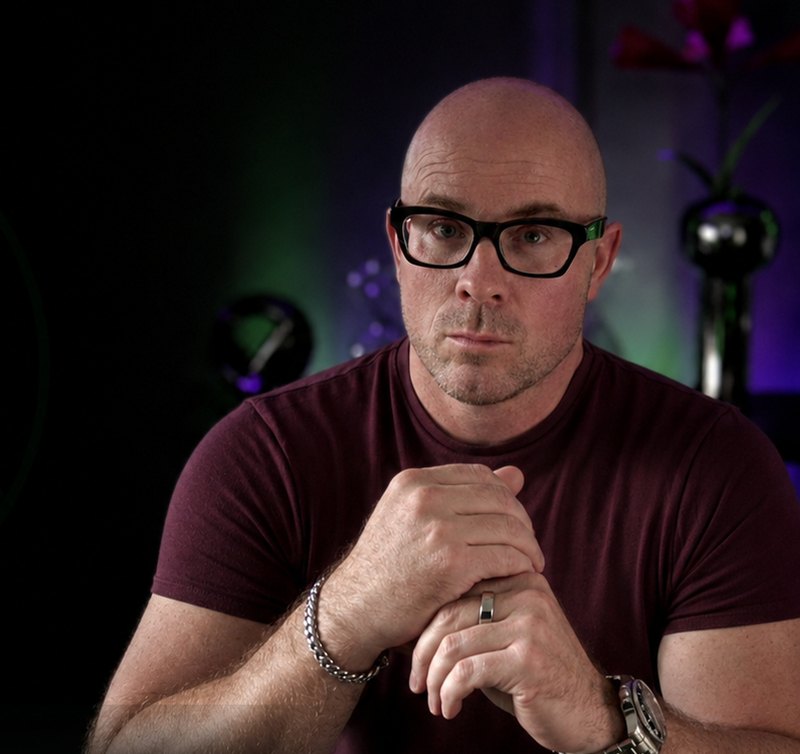
Hypnotherapy is not a treatment for spice addiction, and I don’t offer it as one. Your GP and a drug service need to be part of your recovery, especially if you’ve had heart symptoms, fits or mental health problems.
Where I can help is alongside that care. When the drug goes, the reasons you reached for it are usually still there: stress, boredom, bad nights, a head full of noise. In sessions we can work on calming that stress, sleeping better and rebuilding confidence, and on the routines and places linked to using. You’re the one doing the hard part. Sessions are there to back that up.
Before we work together I’ll ask whether you’re getting support from your GP or a drug service, and how your mental health has been. If I think you need that support first, I’ll tell you honestly.
Things that can help day to day
- Expect a rough patch when you stop. FRANK lists irritability, mood changes, loss of appetite, poor sleep, sweating and shaking among the withdrawal symptoms. Knowing that in advance helps you ride it out.
- Get your support in place first. If you’ve been using daily, talk to your GP or a drug service before you stop, so you’re not facing withdrawal alone.
- Be wary of THC vapes. FRANK says you have no way of knowing how strong a vape liquid will be, and illegal ones can contain synthetic cannabinoids.
- Fill the gaps. Work out the times of day you usually use and plan something for those times, even something small like a walk or a call.
- Look after your sleep and mood. In England you can refer yourself to NHS Talking Therapies for anxiety or low mood, or talk to your GP.
If you also smoke natural cannabis, my page on cannabis covers that, and my page on heroin and opioids has more on nitazenes and overdose.
Common questions
Is spice more dangerous than cannabis?
FRANK says synthetic cannabinoids are often more potent than natural cannabis, can be stronger or more unpleasant, and are more likely to cause hallucinations. Their strength varies so much that you can never be sure of a dose, and deaths have been linked to them.
Is spice addictive?
It can be. FRANK says research suggests you can become dependent on synthetic cannabinoids, and that withdrawal can include irritability, mood changes, loss of appetite, poor sleep, sweating, shaking and diarrhoea.
Is spice legal in the UK?
No. FRANK says most synthetic cannabinoids are Class B drugs, so they’re illegal to have, give away or sell. Others are covered by the Psychoactive Substances Act 2016, which makes them illegal to give away or sell.
Is it confidential?
Yes. What you tell me stays between us. As with any therapist, the only exception is if I believed you or someone else were at serious risk of harm.
I’m worried about someone else’s spice use. What can I do?
If they collapse, have a fit or can’t be woken, call 999 straight away. Otherwise, Adfam and Addiction Family Support are there for the people around someone who uses drugs, and FRANK can talk things through with you. Stopping has to be their decision, but you can still get support for yourself.
Talk it through
If you’re already getting support and want help alongside it, book a £49 consultation call. We’ll talk about what you’re already doing and whether sessions would help with it. Sessions are one to one over Zoom, with a recording of the hypnosis to keep. For fees and the different ways we can work, visit my work with me page.
Written by Adam Cox, clinical hypnotherapist. Sources: FRANK, synthetic cannabinoids; ONS, Drug misuse in England and Wales, year ending March 2025; FRANK, what to do in an emergency; NHS, drug addiction: getting help. Checked October 2026.