

Sweets addiction: how to stop eating so many sweets
With sweets it’s rarely just the one. A handful from the pick and mix becomes the whole bag, a packet of gummies in the car door is empty by the time you get home, and a tube of mints from the till disappears in an afternoon. Sweets are cheap, small and sold almost everywhere, which makes them one of the easiest habits to slide into without noticing.
Many people find that once they notice the moments they reach for a bag, walking past the till gets a lot easier.
This page is about sweets in particular: gummies, jelly sweets, chews, pick and mix and the habit of grabbing a bag whenever you pass a till. If chocolate is more your weakness, see my page on chocolate cravings, and for sugar in general, see sugar addiction.
The NHS says adults should have no more than 30g of free sugars a day, roughly 7 sugar cubes, and sweets count as free sugars. It also says most adults and children in the UK eat too much sugar, and that sugar is one of the main causes of tooth decay (NHS, sugar in our diet).
Signs you might be addicted to sweets
- You buy sweets on autopilot, at the till, the petrol station or the cinema
- A bag you meant to share, or save for later, is gone in one sitting
- You keep a stash in your bag, your desk drawer or the car
- You eat sweets when you're bored, tired or stressed rather than hungry
- You hide wrappers, or eat sweets when nobody's around
- You've told yourself "no more" many times and gone back within days
Why sweet cravings are so hard to resist
Sugar gives a quick hit of pleasure, and your brain is built to remember what felt good and go looking for it again. Sweets make that very easy. They're bright, small and quick to eat, so it's hard to keep count, and shops put them right where you queue. Each time you have some in the car, at your desk or in front of the TV, the link between that moment and the taste gets a little stronger. After a while the craving turns up on its own, as soon as the moment does.
Banning sweets completely often backfires. Anything off limits tends to take up more of your attention, and one slip can turn into eating the whole bag because the day already feels ruined. Most people do better by changing the routines around sweets than by fighting each craving with willpower.
How hypnotherapy can help you stop eating sweets
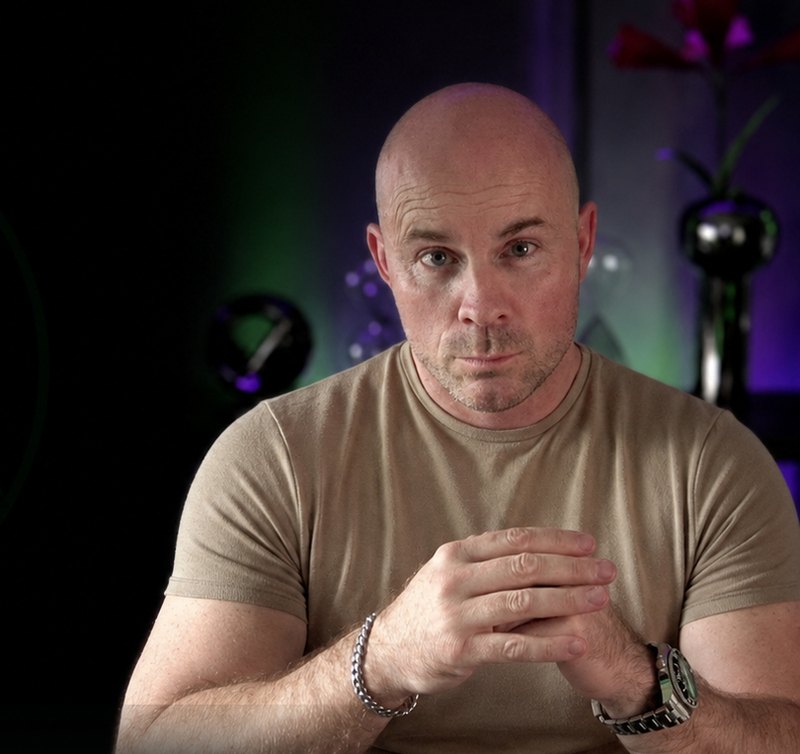
If you've bought a bag for later and found it empty before you got home, that isn't a lack of willpower. Sweets are cheap, small and everywhere, so the habit runs before you've really decided.
Hypnosis puts you in a calm, absorbed state where the automatic part of the habit is easier to work on: the hand reaching for the bag before you've really thought about it. We start by mapping when it happens. For one person it's the drive home, for another it's the 3pm slump or the film on a Friday night. Then we rehearse those moments in hypnosis with a calmer, different response, so the urge has less pull when it arrives.
I've spent 17 years in clinical practice, and I hold a Postgraduate Certificate and a Postgraduate Diploma in Clinical Hypnotherapy, both with Distinction.
We also look at what sweets are doing for you, such as a reward, a break, a bit of comfort or something to do with your hands, and find other ways to meet that need. You'll still be the one walking past the pick and mix, and I can't promise how quickly the cravings will ease, but sessions can make that choice feel steadier and less of a battle. I won't put you on a diet or give you food rules.
Hypnotherapy isn't a treatment for an eating disorder. If you make yourself sick, skip meals or exercise to make up for eating, please speak to your GP or Beat first.
How to stop eating sweets: things you can try today
- Move them out of reach. Clear the stash out of the car, your bag and your desk. If getting sweets takes a decision, you give yourself a moment to make one.
- Plan for the till. Sweets are placed where you queue. Decide what you're buying before you go in, and keep your hands busy with the basket or a bottle of water while you wait.
- Have sweets with a meal, not between meals. The NHS advises keeping sugary food to mealtimes to protect your teeth, and it also breaks the grazing pattern.
- Buy the small bag. If you're having some, choose a single portion rather than a sharing bag, and put them in a bowl instead of eating from the packet.
- Wait out the craving. A craving rises, peaks and fades. Give it ten minutes, have a drink of water or step outside, and notice how it changes.
- Eat regular meals. Long gaps make it far more likely you'll reach for something quick and sweet later in the day.
If sweets are part of a wider grazing habit, my page on snacking may help as well.
When to talk to your GP, dentist or Beat
If you often eat large amounts and feel out of control, or you make yourself sick, skip meals or exercise to make up for eating, please talk to your GP or call Beat on 0808 801 0677.
Beat's helplines are open from 3pm to 8pm, Monday to Friday, and you don't need a diagnosis to call. Beat also runs separate lines for Scotland (0808 801 0432), Wales (0808 801 0433) and Northern Ireland (0808 801 0434).
If your teeth feel sensitive or you're worried about decay, book a check-up with your dentist. If stress, anxiety or low mood is driving the habit, talk to your GP, and in England you can refer yourself to NHS Talking Therapies.
Common questions
Can you be addicted to sweets?
Sweets addiction isn't a medical diagnosis, but plenty of people use the phrase because the urge feels stronger than their intentions. Whatever you call it, if you keep eating more sweets than you want to and can't seem to stop, it's worth taking seriously.
Why do I crave sweets every afternoon or evening?
Cravings that turn up at the same time each day are usually habit cues. Tiredness, the end of the working day or sitting down in front of the TV can all become linked with something sweet, and long gaps between meals make the pull stronger. Spotting your own pattern is the first step to changing it.
Should I cut out sweets completely?
That's your call. Some people find it easier to stop altogether, while others do better having sweets now and then with a meal. What matters is that you're the one choosing, not the habit. We can work out which approach suits you on a consultation call.
How many sessions will I need?
That depends on how long sweets have been part of your day and how many situations they're tied to. If there are one or two clear moments, such as the drive home, one 90 minute session may give you a good start. If stress or tiredness is behind it, three sessions leave room to deal with that as well. We'll talk it through on your consultation call.
How do sessions work?
Sessions are one to one on Zoom, so you join from home. We focus on the places and times you reach for sweets, and afterwards you get a recording of the hypnosis to listen to between sessions.
Want help to stop eating so many sweets?
A short call is the simplest next step. Here's how it works.
- Take the check. See where you are now with the free check on this page.
- Talk it through. Book a £49 consultation call. We'll look at whether sessions would help, and the fee comes off your first session.
- Start your sessions. We work one to one over Zoom, and you keep a recording of the hypnosis to listen to between sessions.
See all session options and prices
Hypnosis downloads for sweet cravings
To make a start by yourself, try this download. It works on swapping a sugar habit for a healthier routine, and once you've bought it you can listen as often as you like.

Written by Adam Cox, clinical hypnotherapist. Sources: NHS, sugar in our diet; Beat helplines; NHS Talking Therapies. Checked October 2026.