

Drinking wine every night: how to break the habit
Please read this first
If you wake up shaky, sweaty or anxious, or you need a drink to feel normal, your body may be dependent on alcohol. Don’t stop suddenly: the NHS warns it can be very dangerous if you’re dependent. Talk to your GP before you cut down. Drinkline is free and confidential on 0300 123 1110, weekdays 9am to 8pm and weekends 11am to 4pm.
Call 999 or go to A and E if someone has confusion, hallucinations or a fit after stopping or cutting down.
It usually starts with one glass while you cook, or once the children are in bed. A few years on, a bottle is open most nights, and an evening without wine feels odd, even a little unfair. You’re not falling apart. You’d just like wine to be something you choose again, rather than something that happens at seven o’clock.
This page is for people who drink wine most evenings and want to break the habit, or at least have more alcohol-free evenings. If you think you might be dependent, please read the box above and my page on alcohol withdrawal before you change anything.
Is a bottle of wine a night too much?
By the UK guidelines, yes. The NHS advises men and women not to regularly drink more than 14 units a week, to spread drinking over 3 or more days, and to have several drink-free days. A 750ml bottle of 13.5% wine contains 10 units, so a bottle a night works out at 70 units a week, five times the guideline. Half a bottle a night is still about 35 units.
| Wine | Units |
|---|---|
| Small glass, 125ml at 12% | 1.5 |
| Standard glass, 175ml at 12% | 2.1 |
| Large glass, 250ml at 12% | 3 |
| Bottle, 750ml at 13.5% | 10 |
Source: NHS, Alcohol units. Many wines are stronger than 12%, so check the label.
The NHS says drinking more than 14 units a week over many years can increase your risk of mouth, throat and breast cancer, stroke, heart disease, liver disease and brain damage. None of that happens overnight, which is why a nightly habit can slip under the radar for years.
Signs wine o’clock has become a problem
- One glass regularly turns into most of the bottle
- An evening without wine feels hard, even when you want one
- You’re over 14 units in most weeks
- You wake up annoyed with yourself, or count the empties with a sinking feeling
- Someone close to you has mentioned it
- You need more than you used to for the same feeling
Several of these are on the NHS list of signs of alcohol-use disorder. The NHS list also includes needing a drink when you wake up and getting withdrawal symptoms when you cut down. If those apply to you, speak to your GP before you change anything, and see my alcohol page for more support.
How to stop drinking wine every night
If you’re not dependent, these steps can help you break the nightly pattern. Most of them work on the ritual, because for many people the ritual is half the pull.
- Start with fixed alcohol-free evenings. The NHS suggests several drink-free days a week. Choose them in advance, say Monday to Wednesday, so you aren’t deciding at six o’clock.
- Move the wine. If it lives in the kitchen next to where you cook, put it somewhere less handy, or stop buying it by the case.
- Keep the glass, change what’s in it. A nice glass with an alcohol-free wine, sparkling water or a soft drink keeps the ritual while you lose the habit.
- Set a limit before the bottle is open. The NHS suggests deciding how much you’ll drink before you start, choosing smaller glasses and picking lower-strength wines.
- Eat first. The NHS suggests having something to eat and a glass of water before you have alcohol.
- Tell the people you live with. The NHS points out you can get support from friends and family if they know you’re cutting down, and it’s harder to top up a glass when someone knows your plan.
The NHS says cutting down can leave you feeling more rested, with more energy and better weight management. If you’d like help with the habit side, get two hypnosis downloads free. They’re not a treatment for dependence. My guide to cutting down on drinking covers drinking more generally, and if your weekends are the bigger issue, see my page on binge drinking.
Where to get help in the UK
- Your GP. They can check your health, including any signs of dependence, and help you cut down safely.
- Drinkline. The free, confidential national alcohol helpline on 0300 123 1110, open weekdays 9am to 8pm and weekends 11am to 4pm.
- Local NHS alcohol services. Support near you in England. Find a service
- Free tools. Alcohol Change UK’s check your drinking quiz shows whether your drinking may be putting your health at risk.
- Support groups. Alcoholics Anonymous (free helpline 0800 917 7650) and SMART Recovery run meetings.
- For family and friends. Al-Anon UK and Adfam support the people around someone who drinks.
Where hypnotherapy fits
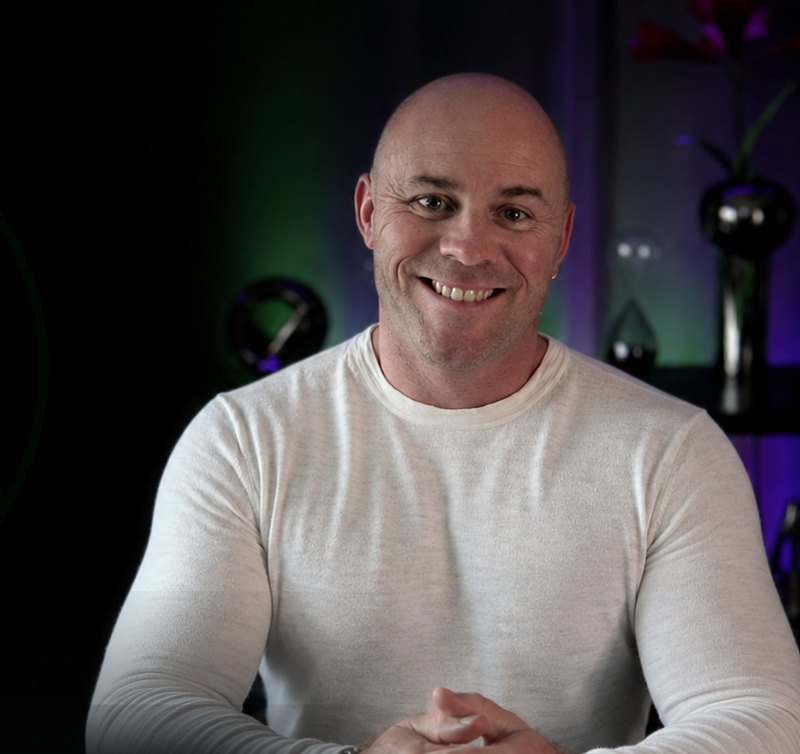
Hypnotherapy is not a treatment for alcohol dependence, and I don’t offer it as one. If you’re dependent, your GP or a specialist alcohol service needs to be part of your recovery.
Where I can help is alongside that care, or if you’re not dependent and want to break the nightly habit. Evening wine is often tied to a moment: finishing work, starting the cooking, the house finally going quiet. In sessions we look at the stress behind that moment, how you sleep, your confidence when others are drinking and the routines that set off wine o’clock. You still make the choice each evening. Sessions are there to help the new evening feel normal rather than like something you’re putting up with. You can read more about my qualifications.
Before we work together I’ll ask whether you get any withdrawal symptoms, such as morning shakes, and whether you’re getting support from your GP or a service. If I think medical help needs to come first, I’ll say so honestly.
Common questions
Will hypnosis help me quit drinking wine every day?
It may help, if you’re not dependent and you want to change, but nobody can honestly promise a result. Hypnotherapy works on the routine and the stress around the habit. The decision each evening is still yours. Sessions are one to one over Zoom, and you get a recording of the hypnosis to listen to afterwards.
Is it safe to stop drinking wine every night on my own?
If you’re not dependent, cutting down or having nights off is usually something you can do yourself. If you get shaky, sweaty, sick or anxious when you go without, or you need a drink in the morning, the NHS warns it can be very dangerous to stop suddenly. Speak to your GP first and read my page on alcohol withdrawal.
How many glasses of wine a week is within the guidelines?
The NHS advises no more than 14 units a week on a regular basis, spread over 3 or more days. The NHS says that’s equivalent to 10 small glasses of lower-strength wine. With standard 175ml glasses of 12% wine at 2.1 units each, it’s about six and a half glasses a week.
Is it confidential?
Yes. What you tell me stays between us. As with any therapist, the only exception is if I believed you or someone else were at serious risk of harm.
I’m worried about someone else’s drinking. What can I do?
Drinkline takes calls about someone else’s drinking, and Al-Anon UK and Adfam support the people close to a drinker. Changing has to be their choice, but there’s help for you in the meantime. My guide to helping someone with an addiction covers how to raise it.
Talk it through
If you want to break the habit and aren’t dependent, or you’re already getting support and want help alongside it, book a £49 consultation call. We’ll go through your evenings, what you’ve tried so far and whether sessions are likely to be useful.
Written by Adam Cox, clinical hypnotherapist. Sources: NHS, Alcohol units; NHS, The risks of drinking too much; NHS, Tips on cutting down; NHS, Alcohol-use disorder, reviewed April 2026; NHS, Alcohol support; GOV.UK, Guidance on the 5 alcohol use screening tests. Checked October 2026, including helpline numbers and hours.