

How to help someone with an addiction: a guide for partners, parents and friends
Please read this first
Call 999 if someone has taken drugs or drunk heavily and is unconscious, won’t wake up, is struggling to breathe or has blue lips or fingertips. If they’re breathing, lie them on their side, stay with them and tell the ambulance crew everything you know about what they’ve taken. FRANK is confidential and open 24 hours on 0300 123 6600, or text 82111.
If someone is dependent on alcohol, stopping suddenly can be very dangerous. Call 999 if they have a seizure, become confused or see or hear things that aren’t there after stopping.
If you’re frightened of the person, the National Domestic Abuse Helpline is free and open 24 hours on 0808 2000 247. If you or they feel hopeless or are thinking about suicide, call Samaritans free on 116 123, any time. If anyone is in immediate danger, call 999.
Watching someone you love drink, gamble or use drugs in a way that’s hurting them is exhausting. You might be lying awake waiting for the key in the door, or wondering whether it’s somehow your fault. It isn’t, and there’s more you can do, for them and for yourself, than it may feel like right now.
This guide brings together what UK charities and the NHS advise for partners, parents and friends. If you’re looking for help with your own habit, my guide to help with addiction in the UK lists the main services.
How to help someone with an addiction: what tends to help
- Pick your moment. Talk when they’re sober and not hungover, somewhere private, and not just before a time they’d usually go out for a drink. Drinkaware and FRANK both advise this.
- Talk about how you feel. What you’ve noticed and how it affects you is gentler to hear than a list of their faults. Listen more than you speak.
- Expect more than one conversation. Drinkaware says defensiveness, anger and denial are common and don’t mean the talk failed.
- Learn about what they’re using. Adfam, the charity for families affected by drugs and alcohol, says understanding the substance makes it harder for anyone to play on your fears.
- Set clear boundaries and keep them. Decide what you will and won’t accept, tell them calmly and follow through. Adfam warns against empty threats.
What usually backfires
Adfam advises against accusations, blame, aggression and nagging, and FRANK says being judgemental or critical won’t help. Drinkaware suggests steering clear of labels such as “alcoholic”, which can feel like an attack, and of demands that the person stops completely.
The other trap is rescuing. Paying their debts or covering for them at work feels like kindness, but Adfam calls it enabling, because it shields the person from consequences that might prompt change. And it isn’t your job to fix them: Adfam’s message to families is that you are not responsible for your loved one’s choices, and their recovery is ultimately up to them.
How to help an alcoholic, or someone who drinks too much
When you work out how to talk to someone about their drinking, it usually goes better to describe what you’ve seen than to give it a name. “I’ve noticed you’re drinking most nights and you seem low in the mornings” is harder to argue with than “you’re an alcoholic”.
The key safety point: the NHS says it can be very dangerous to stop drinking suddenly if you’re dependent on alcohol, that withdrawal symptoms begin within 6 to 12 hours of the last drink, and that anyone physically dependent should get advice, and any medicine they need, before stopping (NHS, alcohol use disorder). Morning shakes, sweats or needing a drink to feel normal are reasons to see a GP first, so please don’t pour their drink away or push them to quit overnight.
Drinkline is free on 0300 123 1110 (weekdays 9am to 8pm, weekends 11am to 4pm), and the NHS says you can call if you’re worried about someone else’s drinking (NHS, alcohol support). If they’re open to it, the private drinking check on my alcohol page can be a gentle way into a conversation.
How to help someone with a gambling addiction in the UK
The National Gambling Helpline, run by GamCare, is free and open 24 hours on 0808 8020 133 for information, support and counselling. NHS gambling clinics in England support family and friends as well as people who gamble, and Gam-Anon runs meetings for anyone affected by a loved one’s gambling (NHS, gambling addiction).
To protect your money, GamCare’s guide to family finances suggests these steps:
- Joint accounts. Ask your bank whether it can freeze a joint account so payments need both of you to agree.
- Your home. Ask your mortgage lender to make sure it can’t be remortgaged without your permission.
- Gambling blocks. Many banks and building societies can block gambling transactions on an account.
- Lending. GamCare advises against it, because it may make things worse.
- Your credit file. You’re generally only responsible for debts in your own name, but shared credit links your credit reports. Once joint accounts are closed or moved into one name, you can ask the credit reference agencies for a financial disassociation (Experian).
- Debt advice. StepChange (0800 138 1111) and National Debtline (0808 808 4000) give free debt advice.
My gambling guide covers the signs, and its private check may help if they’re willing to look.
Drugs: helping someone who is using
FRANK advises talking when you’re both sober and not on drugs, somewhere private and familiar, and being ready for several conversations rather than one. For parents, FRANK suggests not accusing your child even if you think they’ve used, and never confronting them while they’re high or drunk.
FRANK is confidential and open 24 hours on 0300 123 6600, or text 82111, and you or the person you’re worried about can call. Someone who doesn’t want to go through a GP can approach their local drug service themselves, and staff there can tell you about local groups for families (NHS, drug addiction).
My teenager is vaping: how to help someone quit vaping or smoking
If you’ve found a vape in your child’s bag, wait until you’re calm. Public Health Wales advises parents to stay calm, choose a good time and stay positive (Public Health Wales, 2024). The NHS says vaping isn’t recommended for under-18s because it isn’t harmless, and it’s illegal to sell them nicotine vapes or for adults to buy nicotine vapes on their behalf (NHS, young people and vaping).
When you’re supporting an adult who is quitting smoking or vaping, the NHS advice is to be led by them: ask how they want you to help, help them spot triggers, and try not to nag or lecture. If they slip, reassure them they haven’t failed. The NHS says people are 3 times more likely to quit for good with professional support, so a local Stop Smoking Service is worth suggesting (NHS, how to help someone quit smoking). See my vaping guide for more.
Porn or gaming
Porn and gaming habits are often hidden and found out by accident. The same principles apply: talk at a calm time, say how it affects you and avoid blame.
For gaming, the NHS National Centre for Gaming Disorders treats people aged 13 and over in England, accepts referrals from family members and offers support to the family too. If either habit is straining your relationship, Relate, the relationship charity, offers counselling for couples and individuals, including online.
Who to contact: a quick guide
| If you’re worried about | Who can help you | How to reach them |
|---|---|---|
| Someone’s drinking | Drinkline, Al-Anon | 0300 123 1110, Al-Anon 0800 0086 811 |
| Someone’s drug use | FRANK, Adfam | 0300 123 6600 or text 82111, Adfam online |
| Someone’s gambling | National Gambling Helpline, Gam-Anon | 0808 8020 133, Gam-Anon meetings |
| A parent’s drinking | NACOA | 0800 358 3456 |
| A child’s safety | NSPCC Helpline | 0808 800 5000 |
| Your own safety | National Domestic Abuse Helpline | 0808 2000 247, 24 hours |
| Feeling hopeless | Samaritans | 116 123, 24 hours |
Look after yourself too
Adfam encourages families to get support for themselves, and says small things count: a proper break, some exercise, seeing friends again.
- Al-Anon Family Groups. For families and friends of problem drinkers, whether or not the person is still drinking. The free helpline on 0800 0086 811 is open 10am to 10pm, 365 days a year.
- Your GP. If the worry is affecting your sleep, mood or health, tell your GP. In England, if you’re 18 or over, you can also refer yourself to NHS Talking Therapies.
If you notice you’re always putting their needs ahead of your own, my page on codependency may be worth reading.
Children in the family
NACOA, the National Association for Children of Alcoholics, has a free, confidential helpline on 0800 358 3456 for everyone affected by a parent’s drinking, including adults who grew up with it. Alateen, part of Al-Anon, holds meetings for 12 to 17 year olds. Young people can talk to Childline on 0800 1111, 24 hours a day. Adults worried about a child can call the NSPCC Helpline, 10am to 4pm on weekdays.
If you feel unsafe
You don’t have to put up with controlling or violent behaviour. The National Domestic Abuse Helpline, run by the charity Refuge, is free and open 24 hours on 0808 2000 247, with live chat online. If someone may be checking your phone, use a device they can’t see. If you’re in immediate danger, call 999.
Where hypnotherapy fits
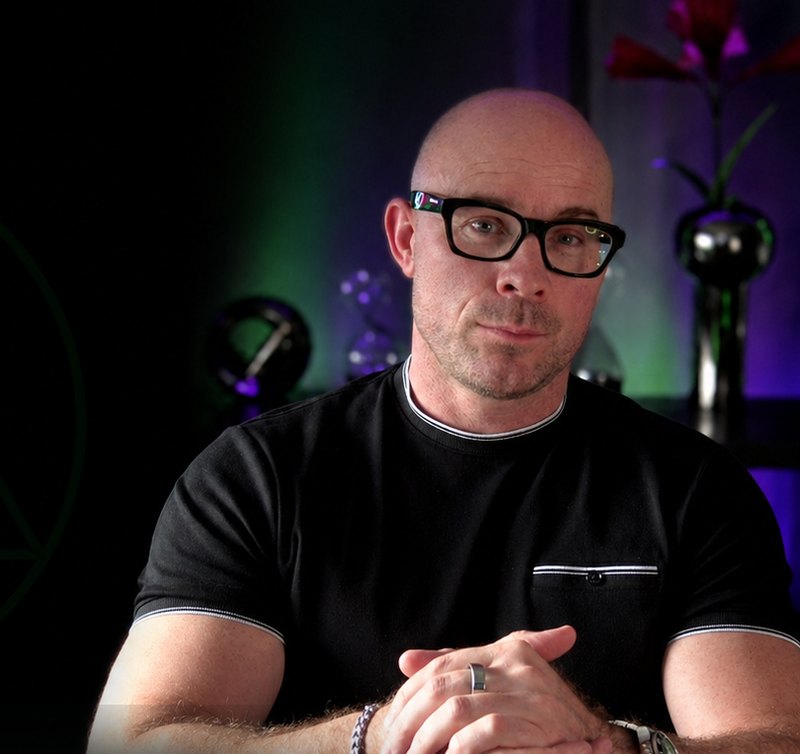
Hypnotherapy is not a treatment for addiction, and I don’t offer it as one. The person you’re worried about needs their GP or a specialist service to be part of their recovery.
Where I can help is alongside that care. If they’re getting support and want help with stress, sleep, confidence and the routines and places linked to using, we can talk about whether sessions would suit them. I can also help you with the stress and broken sleep of supporting someone. Sessions are one to one over Zoom, with a recording afterwards, and there’s more about my qualifications here.
I only work with someone on their habit if they’ve chosen to come. Before we work together I’ll ask whether they’re getting support, and if I think they need that first, I’ll tell them honestly.
Common questions
How do I help someone who doesn’t want help?
You can’t make the decision for them, but you can keep talking at calm moments, set boundaries you’ll stick to, stop rescuing them from consequences and get support for yourself. Al-Anon, Adfam and Gam-Anon exist for exactly this situation.
Should I give them an ultimatum?
Only set a limit you’re ready to keep. Adfam advises deciding your boundaries, telling the person calmly and following through, and avoiding empty threats. If you’re thinking of leaving because you feel unsafe, call the National Domestic Abuse Helpline on 0808 2000 247.
My partner is addicted. Is it my fault?
No. Adfam’s advice to families is not to blame yourself. You’re not responsible for your partner’s choices, and their recovery is ultimately up to them. Looking after yourself isn’t selfish.
Is it confidential?
Yes. What you tell me stays between us. As with any therapist, the only exception is if I believed you or someone else were at serious risk of harm.
Talk it through
If supporting someone is wearing you down, or the person you’re worried about is already getting support and wants help alongside it, book a £49 consultation call. We’ll talk about what’s going on and whether sessions would help.
See session options and prices
Written by Adam Cox, clinical hypnotherapist. Sources: Adfam, for families, Drinkaware, how to talk to someone about drinking, FRANK, concerned about a friend, FRANK, concerned about a child, FRANK, what to do in an emergency, NHS, alcohol use disorder, NHS, alcohol support, NHS, gambling addiction, GamCare, gambling and family finances, Experian, partner’s debt, NHS, drug addiction, Public Health Wales, NHS, young people and vaping, NHS, how to help someone quit smoking, National Centre for Gaming Disorders, Al-Anon UK, NACOA, Childline, NSPCC, National Domestic Abuse Helpline, Samaritans, StepChange and National Debtline. Checked October 2026.