

Weight gain after quitting smoking, and food cravings after vaping or drinking
You stopped smoking, put the vape down or gave up alcohol, and now you cannot stop eating. Biscuits mid-morning, crisps mid-afternoon, something sweet at the exact time you would have had a drink. It can feel as if you have swapped one habit for another.
Many people find that once they have a new response for the moments the old habit used to fill, the snacking settles down.
There are clear reasons this happens, and you can work with most of them. This page explains why you feel hungry after quitting, what reliable sources say about weight gain and what you can do about it without putting your quit at risk.
How much weight do people gain after quitting smoking?
The NHS says that, according to the National Centre for Smoking Cessation and Training, most people gain some weight after quitting smoking. A 2012 analysis in the BMJ, which pooled studies from several countries, put the average gain at 4 to 5 kg after a year, with most of it in the first three months. It also found big differences between people: about 16% of quitters lost weight and 13% gained more than 10 kg (Aubin and others, BMJ, 2012).
Those are averages, not a forecast for you. And the NHS is clear that the health benefits of quitting are far greater than the risks of gaining some weight. If you are worried about putting weight on, that is a reason to plan for it, not a reason to carry on smoking.
| When | What you might notice |
|---|---|
| About 48 hours after your last cigarette | Taste and smell start to improve, so food may taste nicer and you could feel hungrier. |
| The first few weeks | Feeling hungrier than usual is one of the nicotine withdrawal symptoms the NHS lists for stopping smoking and vaping. |
| The first three months | Most of the weight gain after stopping smoking tends to happen in this period. |
| After a year | An average gain of 4 to 5 kg, with wide differences between people. |
| After stopping alcohol | A single sugar craving lasts about 6 minutes on average, and sugar cravings may only be strong for a few weeks, though this varies. |
Sources: NHS Better Health, What could happen when you quit smoking, NHS Better Health, How to quit vaping, BMJ, 2012 and Alcohol Change UK, 2026.
Why you get food cravings after quitting smoking or vaping
- Nicotine was holding your appetite down. The NHS says nicotine helps suppress appetite, so when you stop, your appetite may increase.
- Food tastes better. Within about 48 hours of stopping smoking, taste and smell improve, which makes eating more rewarding.
- Your hands and mouth are looking for a job. A cigarette or vape was lifted to your mouth many times a day. Food is the quickest thing to fill that gap.
- Breaks and rewards need a new filling. If a cigarette was your break or your reward, a snack can slip into the same slot without you deciding it should.
- Withdrawal can feel like hunger. Restlessness, irritability and low mood are common in the first weeks, and eating is a fast way to soothe them. My nicotine withdrawal guide explains what to expect.
Sugar cravings after quitting alcohol
Alcohol Change UK explains that sugar, like alcohol, triggers a dopamine release in the brain’s reward system. If a drink was your treat at the end of the day, something sweet can take over that role. Drinks also carry a lot of calories, so your body may go looking for that energy elsewhere. The NHS says a pint of 5% beer can contain up to 222 kcal and a standard 175ml glass of 12% wine up to 158 kcal (NHS, Calories in alcohol).
If you drank heavily every day, or you get shaky, sweaty or anxious without a drink, please do not stop suddenly. The NHS says that stopping overnight could be harmful if you have become physically dependent, so speak to your GP first. Drinkline is free and confidential on 0300 123 1110 (weekdays 9am to 8pm, weekends 11am to 4pm). My alcohol page has more on getting help.
How to quit smoking without gaining weight: things you can try
- Use stop smoking aids. The NHS says nicotine replacement can help control weight gain by speeding up how your body burns calories and reducing your appetite. Your local Stop Smoking Service or a pharmacist can help you choose.
- Quit first, then look at your weight. Trying to stop smoking and diet hard in the same week is a lot to ask of yourself. Give the quit priority.
- Eat regular meals. Alcohol Change UK suggests balanced meals so you are not too hungry, which makes grazing less likely.
- Keep swaps to hand. The NHS suggests chewing carrots, celery sticks or sugar-free gum when a craving hits.
- Wait it out. The NHS says cigarette cravings only last up to 15 minutes. Have a glass of water, get up and move, and see if you still want the food afterwards.
- Look after your sleep. Alcohol Change UK says dehydration and poor sleep can increase cravings, so drink enough water and keep to a regular bedtime.
If the snacking has become a habit in its own right, my snacking guide has more ideas, and sugar addiction covers sweet cravings in more detail. For the quit itself, see my pages on stopping smoking and quitting vaping.
When to talk to your GP or Beat
If you often eat large amounts and feel out of control, or you make yourself sick, skip meals or exercise to make up for eating, please talk to your GP or call Beat on 0808 801 0677.
Beat’s helplines are open 3pm to 8pm, Monday to Friday. In Scotland call 0808 801 0432, in Wales 0808 801 0433 and in Northern Ireland 0808 801 0434. Worry about weight gain can be hard to separate from worry about eating, so if this is weighing on you, it is worth a call.
Where hypnotherapy fits
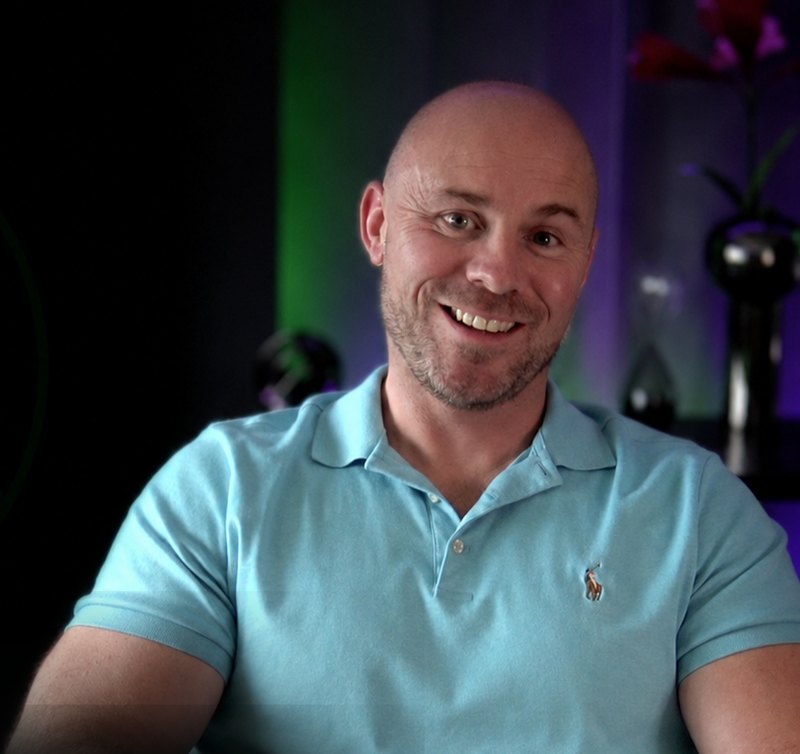
If you have quit something hard and now find yourself in the biscuit tin at the exact time you used to have a drink, you have not failed. Your mind is filling a gap, and that gap is what we work on.
Hypnosis gives us a calm, focused state to work on the automatic step from a trigger to reaching for food. We look at the moments that used to belong to cigarettes, the vape or a drink, and rehearse a different response to each one. If you have stopped smoking or vaping, we also work on the pull back towards nicotine. If you have stopped drinking, sessions sit alongside whatever support you have for that, not in place of it.
I’ve spent 17 years in clinical practice, and I hold a Postgraduate Certificate and a Postgraduate Diploma in Clinical Hypnotherapy, both with Distinction.
I do not give diets or calorie targets. You will still be the one choosing what to eat, and change takes your own effort over a few weeks. Sessions can make those choices feel less of a battle. Hypnotherapy is not a treatment for an eating disorder, and if anything in the section above sounds like you, please speak to your GP or Beat first. You can read more about my qualifications, or try some of the free sessions on my podcast, The Hypnotist.
Common questions
Why am I so hungry after quitting smoking?
Nicotine helps suppress your appetite, so the NHS says your appetite may go up when you stop. Within about 48 hours your taste and smell start to improve too, so food can taste nicer. On top of that, a lot of snacking after quitting fills the gaps where cigarettes used to be.
Is it normal to snack more after quitting vaping?
Yes. The NHS lists feeling hungrier than usual as one of the symptoms of stopping vaping. A vape also kept your hands and mouth busy many times a day, and food is the obvious thing to fill those moments. Planning a few swaps in advance helps.
Why do I crave sugar after quitting alcohol?
Alcohol Change UK explains that sugar, like alcohol, triggers a dopamine release in the brain’s reward system. If a drink was your treat at the end of the day, something sweet can step into that role. It says some evidence suggests sugar cravings only last strongly for a few weeks, though this varies from person to person.
Should I go on a diet while I quit?
I would not start a strict diet in the same week you stop. The National Centre for Smoking Cessation and Training says stopping smoking before addressing weight gain is reasonable advice for many people. Eat regular meals, keep simple swaps to hand and look at your weight once the cravings for nicotine or alcohol have settled.
How many sessions will I need?
If the snacking is tied to a few clear moments, such as the evening when you used to drink or the breaks when you used to smoke, one 90 minute session may give you a good start. If you are working on the eating and the quit at the same time, three sessions give us more room. We can talk about it on a consultation call.
How do sessions work?
We meet one to one over Zoom, so you can join from wherever you are. We shape the session around your own trigger times, and you get a recording of the hypnosis to play back on the days the cravings are strongest.
Want help with the cravings after quitting?
A short call is the simplest next step. Here’s how it works.
- Take the habit check. See where you are now with the free habit check.
- Talk it through. Book a £49 consultation call. We’ll look at whether sessions would help, and the fee comes off your first session.
- Start your sessions. We work one to one over Zoom, and you keep a recording of the hypnosis to listen to between sessions.
See all session options and prices
Hypnosis downloads for cravings after quitting
If you would rather start on your own, these two downloads work on swapping an old habit for a healthier routine. You can replay them whenever a craving catches you out.


Written by Adam Cox, clinical hypnotherapist. Sources: NHS Better Health, What could happen when you quit smoking; NHS Better Health, Managing nicotine withdrawal symptoms; NHS Better Health, How to quit vaping; Aubin and others, Weight gain in smokers after quitting cigarettes, BMJ 2012; NCSCT, Managing post-cessation weight gain; Alcohol Change UK, Sugar cravings while giving up alcohol; NHS, Calories in alcohol; NHS, Alcohol support; Beat helplines. Checked October 2026.