

How to stop eating at night: late-night snacking and evening grazing
Plenty of people eat sensibly all day and then lose the thread after dinner. Something with the TV, then something else, then one more trip to the kitchen before bed. Some people even wake in the small hours and find themselves eating. By the morning it can feel as if it happened to someone else.
Many people find that once the evening routine changes, the trips to the kitchen after dinner start to fade.
Eating at night is usually a pattern rather than a hunger problem, and patterns can change with practice. Evening eating is one of the habits I see most often. This page covers why so much eating happens in the evening, how to tell a habit from night eating syndrome, and practical ways to stop. If your grazing is spread through the whole day rather than mostly after dark, my page on snacking may suit you better.
Why do I eat so much at night?
Often because the day has set it up. If breakfast was a coffee and lunch was eaten at a desk in five minutes, by the evening you're properly hungry and tired at the same time, which is a hard combination to argue with. Researchers who study the pull of food list the time of day, how long you slept and how stressed you are among the things that can make it stronger (Hayashi and colleagues, Nutrients, 2023).
Then there's routine. The sofa, the TV, the children finally in bed and the house going quiet all turn into cues, and after a while the brain expects food the moment they appear. Late-night snacking can also be the one reward in a long day, or a way of putting off going to bed. None of that has much to do with your stomach, which is why relying on willpower at ten o'clock at night so often falls flat.
Signs eating at night has become a habit
- You snack after dinner most nights, even when you aren't hungry
- Eating while watching TV feels automatic, as if it comes with the programme
- You go back to the kitchen several times in one evening
- You're not hungry for breakfast because of what you ate the night before
- You wait until everyone else has gone to bed, or tidy away the wrappers
- Every morning you promise yourself tonight will be different
Night eating syndrome: when it's more than a habit
Night eating syndrome is a recognised eating disorder. Beat, the UK's eating disorder charity, gives it as one example of OSFED (other specified feeding or eating disorder), describing someone who repeatedly eats at night, either after waking from sleep or by eating a lot of food after their evening meal. Beat is clear that OSFED is every bit as serious as anorexia, bulimia or binge eating disorder (Beat, OSFED).
If you regularly wake up and feel you need to eat before you can get back to sleep, or most of your eating happens late in the evening and feels out of your control, please see your GP. Beat says to seek help even if only some of the signs fit, because that gives the best chance of recovery. I don't treat eating disorders, and hypnotherapy is not a substitute for that care.
Hypnosis to stop eating at night: how hypnotherapy can help
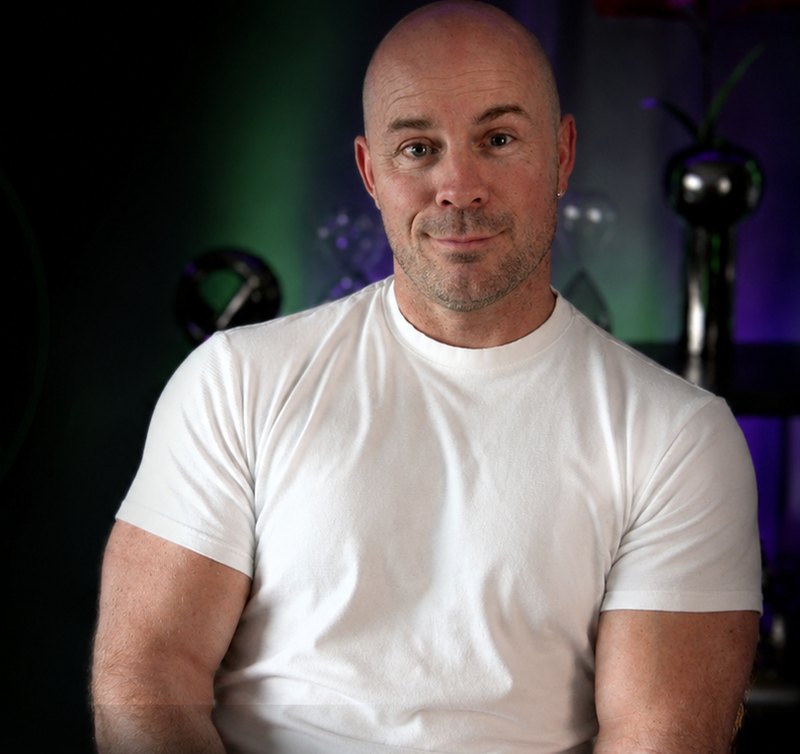
If you've eaten well all day and then lost the thread after dinner, that isn't a lack of willpower. Evening eating runs on routine and tiredness, and that pattern is what we work on.
We start by mapping your evenings: when the urges begin, where you are, what you've eaten that day and what you're feeling. Then, in hypnosis, we rehearse those moments with a different ending. Settling down in front of the TV, clearing up after dinner or that last half hour before bed can become cues for something else, such as a hot drink, a bath or simply going to bed when you're tired.
I've spent 17 years in clinical practice, and I hold a Postgraduate Certificate and a Postgraduate Diploma in Clinical Hypnotherapy, both with Distinction.
I won't put you on a diet or set you a cut-off time. You'll still be the one who decides to leave the kitchen, and you'll need to keep practising the new routine on the nights it feels hardest. Sessions are there to make that decision feel more like yours and less like a nightly fight. There's more about my qualifications here, and my podcast, The Hypnotist, has more than 2,300 hypnosis sessions you can listen to free before booking anything.
Hypnotherapy isn't a treatment for an eating disorder. If any of the night eating syndrome signs above fit, or you make yourself sick, skip meals or binge and feel out of control, your GP or Beat should be your first call.
Late-night snacking: things you can try tonight
- Eat enough earlier in the day. Regular meals with a proper evening meal can take the edge off late-night hunger. The NHS approach to binge eating also builds in planned meals and snacks to set up regular eating habits.
- Close the kitchen. After your last meal, brush your teeth, wipe the worktop and switch the light off, so going back in becomes a decision rather than a drift.
- Break the link with the TV. If eating while watching TV is your pattern, keep food out of the room, sit in a different chair or give your hands something else to do.
- Plan for your danger hour. Decide in the afternoon what you'll do when the urge usually arrives, such as phoning someone, having a shower or getting into bed with a book.
- Go to bed when you're tired. Staying up well past tiredness tends to mean more trips to the kitchen, and short nights can make the pull of food stronger the next day too.
- If you do eat, sit down with it. Put it on a plate and eat it at the table, rather than straight from the packet in front of a screen.
If your evenings also mean hours of TV you'd like to cut back, see my page on binge-watching. If you think about food all day, not only at night, food noise may be the better fit. If it's mostly about eating past full, see overeating, and if feelings are behind it, see emotional eating.
When to talk to your GP or Beat
If you often eat large amounts and feel out of control, or you make yourself sick, skip meals or exercise to make up for eating, please talk to your GP or call Beat on 0808 801 0677.
Beat's helplines run from 3pm to 8pm, Monday to Friday, and you can call without a diagnosis. There are separate numbers for Scotland (0808 801 0432), Wales (0808 801 0433) and Northern Ireland (0808 801 0434), and the NHS lists a Beat youth helpline on 0808 801 0711.
The NHS describes the main signs of binge eating disorder, which include eating a lot of food in a short time and not being able to stop when full, and eating alone or in secret. When you see your GP, the NHS suggests taking a friend or loved one with you if that would help.
Common questions
How do I stop snacking at night?
Start with the day, not the evening. Eat regular meals so you're not starving by nine o'clock, then change the routine that leads to the kitchen: close it after dinner, keep food out of the room where you watch TV and have a plan for the time the urge usually hits.
How do I stop eating while watching TV?
Treat the TV as the cue it has become. Keep snacks out of the room, sit somewhere different, or keep your hands busy with a drink or something to fiddle with. If you decide to have something, put it in a bowl and stop when the bowl is empty.
What is night eating syndrome?
Beat describes night eating syndrome as repeatedly eating at night, either after waking from sleep or by eating a lot of food after the evening meal. It's a recognised eating disorder and as serious as other eating disorders, so if it sounds familiar, please see your GP or call Beat on 0808 801 0677.
Can hypnosis help me stop eating at night?
It can help you change the evening routine and the feelings that lead to the kitchen, so not eating feels less like a battle. You'll still need to make the choice each night and practise, and I can't predict how quickly it will change. It isn't a treatment for night eating syndrome or any other eating disorder.
How many sessions will I need?
It depends on how long the evening habit has been going and how much else is tied to it. If it's one clear moment, like the hour after the children go to bed, a single 90 minute session on that moment is a reasonable place to begin. If stress, sleep or boredom are part of it too, three sessions give us room to cover them. We can decide together on a consultation call.
How do sessions work?
We work one to one over Zoom, so you can join from your own sofa if you like. The hypnosis is built around your evenings and the cues that lead to eating, and you get a recording afterwards that you can play at the time of night it's most useful.
Want help to stop eating at night?
A short call is the simplest next step. Here's how it works.
- Take the check. See where you are now with the free check on this page.
- Talk it through. Book a £49 consultation call. We'll look at whether sessions would help, and the fee comes off your first session.
- Start your sessions. We work one to one over Zoom, and you keep a recording of the hypnosis to listen to between sessions.
See all session options and prices
Hypnosis downloads for night-time eating
Want to begin on your own? These sessions look at pausing before you eat, winding down at the end of the day and sleeping through instead of waking. Each one is a one-off purchase that you keep.


Written by Adam Cox, clinical hypnotherapist. Sources: Beat, other specified feeding or eating disorder (OSFED), Hayashi and colleagues, What Is Food Noise? (Nutrients, 2023), NHS, binge eating disorder, NHS, binge eating disorder treatment, Beat helplines. Checked October 2026.