

How to stop binge watching TV and box sets
The credits start, a countdown appears in the corner and the next episode begins before you’ve decided anything. You only meant to watch one. Now it’s gone midnight, you’re halfway through the series and you already know you’ll be tired tomorrow.
Many people find that once stopping at the end of an episode feels normal, their evenings and their sleep feel more like their own.
Binge watching isn’t a problem for everyone. A wet weekend with a good box set can be a real pleasure. It becomes a habit worth changing when shows start deciding your evenings for you, cutting into your sleep, or becoming the main way you switch off from stress or put off things you’d rather not face. Use the check below to see how your viewing measures up, from everyday habit to addiction.
Streaming is now part of most homes. Seventy per cent of UK households had at least one subscription streaming service in early 2026, and around a quarter of online adults say Netflix is the first place they turn when choosing what to watch (Ofcom Media Nations, 2026).
Signs your box set habit is running your evenings
- You regularly watch three or four episodes when you meant to watch one
- The next episode often starts on its own and you just let it
- You stay up later than you planned because you need to see what happens
- You put off jobs, plans or phone calls so you can keep watching
- You put a show on to stop yourself thinking about something
- When a series ends you feel flat, and you start a new one straight away
Why one more episode is so hard to resist
Streaming has taken away the natural breaks that used to end an evening. With a weekly show you had to wait. Now the whole series is sitting there, and the next episode starts for you unless you act. Many episodes are written to end on a cliffhanger, so the moment you’d naturally stop is the moment you most want to carry on. Saying no means making a decision when you’re tired, comfortable and curious, which is exactly when it’s hardest.
Shows also do a job for you. After a long day a series is an easy way to switch off, and a familiar story can feel like company if you live alone or your evenings are quiet. Sometimes it’s a way to put off a task, a conversation or a worry for another hour. None of that makes you lazy. But if watching has become your main way to rest, escape or avoid things, cutting down means finding other ways to meet those needs as well.
As heard on BBC Radio 2
Adam Cox on TV addiction, with Jeremy Vine
In January 2020 The Telegraph reported on three people Adam had worked with at his Harley Street clinic who could not stop binge-watching TV box sets. The story went round the world, and Adam talked about TV addiction live on The Jeremy Vine Show.
Read the Telegraph article, or see more of Adam’s media work.
How hypnotherapy can help you watch less
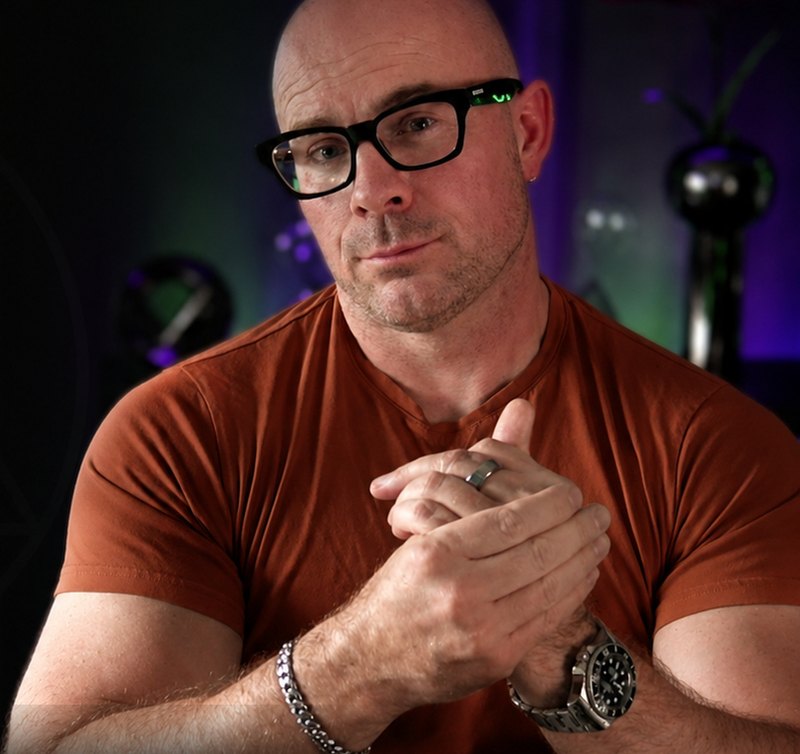
If you’ve meant to watch one episode and found it gone midnight, that isn’t a lack of willpower. Streaming is designed to roll straight into the next one, so the habit keeps going until something breaks the loop.
With you relaxed and focused in hypnosis, we can work on the moment that matters most: the end of an episode, when the countdown starts. We rehearse pressing stop, getting up and moving on with your evening, so that choice starts to feel familiar rather than like missing out. We also look at what the shows are giving you, such as rest, company or a break from your own thoughts, and where else you can find it.
I’ve spent 17 years in clinical practice, and I hold a Postgraduate Certificate and a Postgraduate Diploma in Clinical Hypnotherapy, both with Distinction.
Sessions won’t turn the TV off for you. You’ll still need to change settings, set limits and plan your evenings, and how quickly the habit loosens is different for everyone. What hypnotherapy can do is make it easier to stick to the plan you’ve made, so one episode can stay one episode.
How to stop binge watching: things you can try tonight
- Turn off autoplay. On Netflix it’s a setting called Autoplay Next Episode, found in each profile’s playback settings (Netflix Help Centre). Check the settings in any other streaming apps you use too. Having to press play makes each episode a choice.
- Set your episode limit before you start. Decide how many you’ll watch tonight and say it out loud, or tell whoever you’re watching with so they can hold you to it.
- Stop before the cliffhanger. The hook is usually in the last few minutes, after the main story of the episode has wrapped up. Try switching off ten minutes before the end and watching the ending at the start of your next session.
- Plan an end time. Work back from when you want to be asleep and set an alarm for when the TV goes off. NHS advice for people who struggle to sleep is not to watch television or use devices right before going to bed (NHS), so leave a gap between the last episode and lights out.
- Line up something for afterwards. A bath, a chapter of a book or getting your things ready for tomorrow gives the evening somewhere to go once the screen is off.
- Make it social. If you mostly watch alone, save a series to watch with a friend or partner, or ring someone instead of starting another episode.
When it’s more than a TV habit
If you’re using shows to block out anxiety, low mood or loneliness, talk to your GP. The same goes for sleep: the NHS suggests seeing a GP if changing your sleep habits hasn’t helped or you’ve had trouble sleeping for months. Adults in England can also self-refer to NHS Talking Therapies.
If you’re watching to put off work or jobs you’re dreading, my page on procrastination may be the better place to start. If it’s short videos rather than box sets, see doom scrolling. And if screens fill most of your day, not only your evenings, screen time looks at the bigger picture.
If you’re feeling hopeless or thinking about ending your life, call Samaritans free on 116 123, any time, or text SHOUT to 85258. Call 999 if you’re in danger.
Common questions
Is binge watching bad for you?
Not on its own. An occasional long session with a series you love is fine. It’s worth looking at when it regularly costs you sleep, keeps you sitting for hours or replaces time with people and things you used to enjoy. The check on this page shows how your own viewing compares.
Why can’t I stop at one episode?
Because the next one is right there, it often starts by itself, and the last scene is usually written to make you want more. You’re also deciding when you’re tired and settled. Turning off autoplay and stopping before the cliffhanger take away some of that pull.
Is it bad to binge watch alone?
Watching on your own is perfectly normal. It’s worth noticing if shows have become your main company, or the thing you put on so the house doesn’t feel so quiet. If you feel lonely a lot of the time, it can help to talk to your GP, and in sessions we can work on what your evenings feel like without a show on.
How many sessions will I need?
It depends on how long box sets have been your evening routine and what they’re doing for you. If it’s mainly the one more episode habit, one 90 minute session focused on it may be enough. If watching is tied up with stress, loneliness or avoiding something, three sessions give us time to work on those as well and see how your evenings settle. We’ll agree on the right number together on a consultation call.
How do sessions work?
Sessions are one to one on Zoom, from your own sofa if you like. We work from your own evenings, the shows that pull you in and the moment you usually press play again, and afterwards you’ll have a recording of the hypnosis to play back. You can use it as the thing you do instead of starting another episode.
Want help to watch less?
A short call is the simplest next step. Here’s how it works.
- Take the check. See where you are now with the free check on this page.
- Talk it through. Book a £49 consultation call. We’ll look at whether sessions would help, and the fee comes off your first session.
- Start your sessions. We work one to one over Zoom, and you keep a recording of the hypnosis to listen to between sessions.
See all session options and prices
Hypnosis downloads for getting your evenings back
If you’d rather work on this by yourself, these downloads help with getting to sleep at a sensible time, making more of your days and getting on with the things you have been putting off. Each is a one-off purchase.


Written by Adam Cox, clinical hypnotherapist. Sources: Ofcom, Media Nations 2026; Netflix Help Centre, autoplay next episode; NHS, insomnia; NHS Talking Therapies; Samaritans; Shout. Checked October 2026.