
Dry January: how to do it, what to expect and how to keep it going
Before you start
Drinking heavily every day, or getting shakes, sweats or anxiety when you go without, can mean your body has become dependent on alcohol. In that case, please don’t begin Dry January by stopping overnight. The NHS warns it can be very dangerous to stop drinking suddenly if you’re dependent, so talk to your GP first about coming off safely. Drinkline, the national alcohol helpline, is free and confidential on 0300 123 1110 (weekdays 9am to 8pm, weekends 11am to 4pm).
If anyone has a fit, becomes confused or starts seeing things after stopping drinking, call 999.
Dry January is a month off alcohol, starting on 1 January, and a lot of people try it once the Christmas bottles are finally empty. Treated as an experiment rather than a test of character, it can show you how you sleep, how you feel and what your evenings look like without a drink.
The Dry January® challenge is run by the charity Alcohol Change UK, which started it in 2013 with 4,000 people. Its official site has the sign-up, the daily emails and the app. I’m not connected to Alcohol Change UK, and this page is my own independent guide rather than part of the campaign.
If you already suspect a month off would be hard, take the alcohol check before you sign up.
Dry January rules: what the official challenge asks
There isn’t much small print. According to Alcohol Change UK:
- It’s one month alcohol-free. The challenge runs through January, and the charity’s daily motivational emails begin on 1 January.
- It costs nothing to take part. You can sign up for the emails, use the app, or do both.
- A slip doesn’t end it. The charity’s FAQ says “if you have a slip up there is no need to reset or drop out.”
- It isn’t for everyone. Alcohol Change UK says the challenge is not suitable for people who are clinically alcohol dependent, and recommends talking to your GP.
- Late starters can still join in. Its Try Dry Anytime 31 Days programme is a free run of daily emails that you can begin on any date.
When I checked in October 2026, the official site was still showing the January 2026 challenge, so look there for the details of January 2027 as they’re published.
The Dry January app: Try Dry
The official app is Try Dry®, which Alcohol Change UK offers free on Apple and Android. The charity says you can use it to track your units, calories and money saved, keep a record of your dry streaks, and log your sleep, energy, mood and how strong any cravings are.
Damp January: cutting back instead of stopping
Damp January is a nickname for drinking less in January rather than stopping completely. It isn’t an official campaign, but Alcohol Change UK runs a free four-week Try Dry Anytime Cut Back Challenge, which aims to help you halve your drinking compared with a typical week.
If a full month off feels like too big a leap, my guides to cutting down on drinking and drinking wine every night cover cutting back. If you might be dependent, speak to your GP before you reduce.
How to do Dry January: planning before the 1st
A plan made in the last week of December is worth more than any amount of resolve on New Year’s Day.
- Write down your reason. Better sleep, saving money or simply finding out whether you can. Keep it on your phone for the evenings that wobble.
- Deal with what’s left in the house. Give the leftover Christmas drinks away, or box them up and put them somewhere awkward to reach.
- Stock up on drinks you’ll actually enjoy. Sparkling water with lime, a good tonic, kombucha or an alcohol-free beer. Having one ready at the time you’d normally pour a glass matters more than which one you pick.
- Check the calendar. Birthdays, Burns Night, the first payday weekend. Decide now what you’ll drink at each one and when you’ll leave.
- Sign up properly. Alcohol Change UK says that taking part with its free tools and resources doubles your chances of a successful alcohol-free month compared with going it alone.
The first week of Dry January
For many people the first few evenings are the strangest part. The pull tends to arrive at a set time and place, such as the end of the working day or the moment the cooking starts. That’s habit, and it usually loosens as each of those moments passes without a drink.
Physical symptoms are a different matter. Feeling shaky, sweaty, sick or very anxious in the first day or two after stopping can be a sign of alcohol withdrawal rather than ordinary habit. Contact your GP that day, and read my page on alcohol withdrawal. The 999 signs in the box at the top of this page apply here too.
Dry January benefits: what happens to your body
Alcohol Change UK’s evaluation of the 2019 challenge, carried out by Dr Richard de Visser at the University of Sussex, asked participants what had changed. They reported that:
- 86% had saved money
- 81% felt more in control of their drinking
- 70% slept better
- 66% had more energy
- 54% lost weight
Source: Alcohol Change UK, citing de Visser, 2019. These are people describing their own experience rather than results measured in a trial, so treat them as encouraging rather than certain.
There’s some measured evidence too. In a London study, 94 moderate to heavy drinkers who stopped for a month had lower blood pressure, slightly lower weight and better insulin resistance afterwards, while people who kept drinking showed no significant change. The groups weren’t randomised, and the authors say we don’t know how long the changes last (Mehta and colleagues, BMJ Open, 2018).
Dry January tips for social pressure and alcohol-free drinks
Other people are often harder than the evenings at home. A few things help:
- Keep the explanation short. “I’m doing Dry January” is usually enough. You don’t owe anyone more than that.
- Get to the bar first. Order your own drink before someone else orders one for you.
- Choose your exit. Decide how long you’ll stay before you arrive. Leaving when the rounds speed up is allowed.
Alcohol-free drinks can help, but read the label. Drinks sold as low alcohol still contain some, and Alcohol Change UK advises choosing 0.0% if a doctor has told you to avoid alcohol completely. If one only makes you want the real thing, switch to a drink that tastes nothing like it.
What to do if you slip during Dry January
One drink on the 12th doesn’t cancel the eleven days before it. The official FAQ is clear that you don’t need to start again, and Alcohol Change UK reports that even those who don’t manage a completely alcohol-free month still report benefits.
Work out what happened, perhaps a particular person or being hungry and tired at six o’clock, plan for that moment, and carry on the next day.
After Dry January: what to do in February
February is where the month earns its keep. Alcohol Change UK’s advice for afterwards includes taking time to reflect on what you want from drinking, building up slowly to the amount you want to drink, and keeping track with a diary or the app.
As a guide, the NHS advises not regularly drinking more than 14 units a week, spreading it over 3 or more days if you do drink that much, and having several drink-free days each week. Keeping two or three alcohol-free evenings a week holds on to much of what you’ve gained.
If you found the month much harder than you expected, take that seriously. My pages on the signs of a functioning alcoholic and on binge drinking may help you work out what’s going on.
Where hypnotherapy fits with Dry January
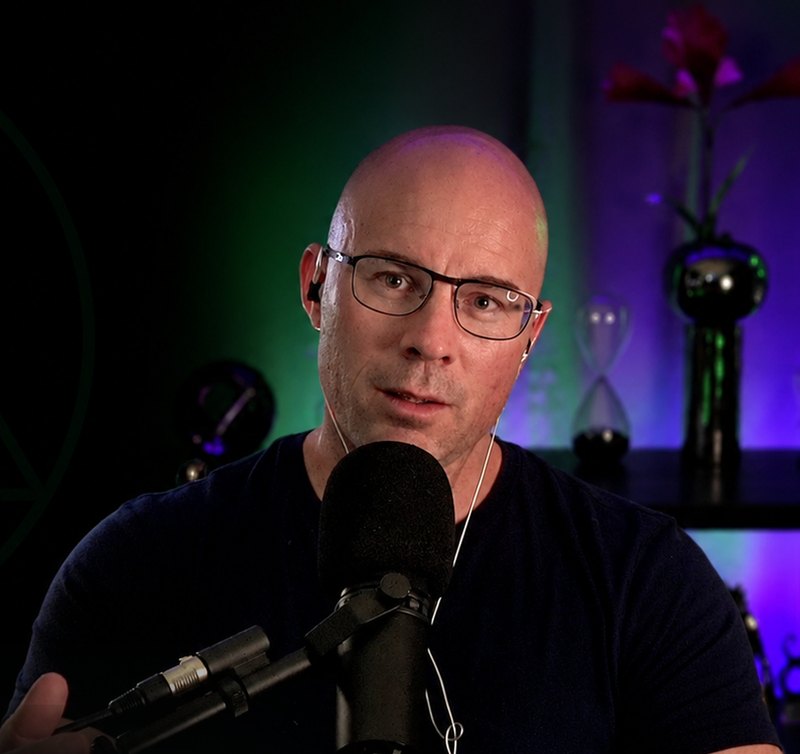
Hypnotherapy is not a treatment for alcohol dependence, and I don’t offer it as one. If you might be dependent, your GP or a local alcohol service needs to come first.
For people who aren’t dependent, much of Dry January is about routine: the drink that marks the end of work, or the bottle shared at the weekend. In sessions we work on those cues, on winding down, on sleep and on feeling confident saying no at the pub. The decision each evening is still yours. Hypnosis can help the new evening feel more like your own choice and less like a sacrifice. You can read how my sessions work and what they cost, and about my training and qualifications. My podcast, The Hypnotist, is a free way to try hypnosis first.
Before we start, I’ll ask about any withdrawal symptoms and any other support you have. If I think you need your GP first, I’ll tell you.
Common questions
What are the Dry January rules if I have a drink?
The challenge is one month alcohol-free, but Alcohol Change UK says a slip doesn’t mean you have to reset or drop out. Carry on from the next day and plan for whatever caught you out.
Is there a Dry January app?
Yes. Try Dry is Alcohol Change UK’s free app. It tracks your dry streaks, units and money saved, and lets you log your sleep, energy and mood.
Is Dry January safe for everyone?
No. Alcohol Change UK says it isn’t suitable for people who are clinically dependent on alcohol. If you drink heavily every day or get shakes, sweats or anxiety when you stop, see your GP before you stop, or call Drinkline on 0300 123 1110.
How many sessions would I need?
For a single habit, such as the evening glass, one 90 minute session before January can be enough to get you started. If drinking is tied up with stress or poor sleep, three sessions spread across the month give us more room. We’ll agree it on the consultation call.
How do sessions with you work?
Most clients see me one to one on Zoom, and I also work face to face in Hertfordshire for the same fee. You get a recording of the hypnosis afterwards, which many people play in the evenings during the month.
Ready to start?
If you’d like help making January stick, and you aren’t dependent on alcohol, book a £49 consultation call. We’ll look at your evenings, your weekends and what usually sends you back to the old pattern.
See all session options and prices
Written by Adam Cox, clinical hypnotherapist. Dry January® and Try Dry® are names used by Alcohol Change UK. Sources: Alcohol Change UK, The Dry January challenge; Alcohol Change UK, Dry January FAQs; Alcohol Change UK, The Dry January story; Alcohol Change UK, Try Dry app; Alcohol Change UK, Try Dry Anytime 31 Days; Alcohol Change UK, Cut Back Challenge; Alcohol Change UK, The evidence behind the Dry January challenge; Alcohol Change UK, Low-alcohol, alcohol-free, non-alcoholic, April 2024; Alcohol Change UK, Managing your drinking after Dry January, January 2026; Mehta G and colleagues, Short-term abstinence from alcohol, BMJ Open 2018; NHS, Alcohol-use disorder, reviewed April 2026; NHS, Alcohol support, reviewed August 2026; NHS, Alcohol units. Checked October 2026, including Drinkline’s number and hours.