

AI chatbot addiction: help if you’re relying on an AI too much
AI chatbots and companion apps can be very useful. They answer questions at 2am, help you think something through and never get tired of listening. For some people that last part becomes the draw. The chat turns into the first place you go when you’re worried, lonely or bored, conversations run for hours, and time with friends, sleep or real-life plans start to slip.
Many people find that once they have other ways to settle a worry, the chat goes back to being a useful tool rather than the first place they turn.
This page is for adults who feel they’re leaning on an AI more than they’d like. That might be a general chatbot or a companion app built for conversation. There’s nothing shameful in it, and it usually says more about what you need than about the technology.
It’s a common experience. In a survey of 2,028 people in the UK, the government’s AI Security Institute found 33% had used AI for emotional purposes, such as companionship, emotional support or social interaction, in the last year, and 4% did so every day (AI Security Institute, 2025). Loneliness is common too: almost one in four adults in Great Britain (23%) said they felt lonely often, always or some of the time (ONS, 2026).
Signs you might be too reliant on an AI chatbot
- You talk to it for hours, often late into the night
- It's the first place you go when you're upset, before any person
- You feel more understood by the AI than by the people around you
- You've started cancelling plans, or not making them, so you can stay in and chat
- You feel anxious or lost when it's unavailable or replies differently from usual
- You check with it before making even small decisions
Why it's hard to step back from an AI companion
An AI is always available, always patient and never has a bad day. It replies in seconds, remembers what you like and rarely pushes back. Real relationships take effort and come with the risk of being let down. Next to that, a chat that's always there can feel easier and safer, especially if you're lonely, anxious or going through a hard time.
Each good conversation also works as a small reward, and the habit forms around it: the phone in bed, the chat on the commute, the worry you hand straight to the app. None of this makes you foolish. It means a real need, for company, reassurance or someone to think out loud with, is being met in one place, and the more it's met there, the less practice you get at meeting it anywhere else.
How hypnotherapy can help you rely less on AI
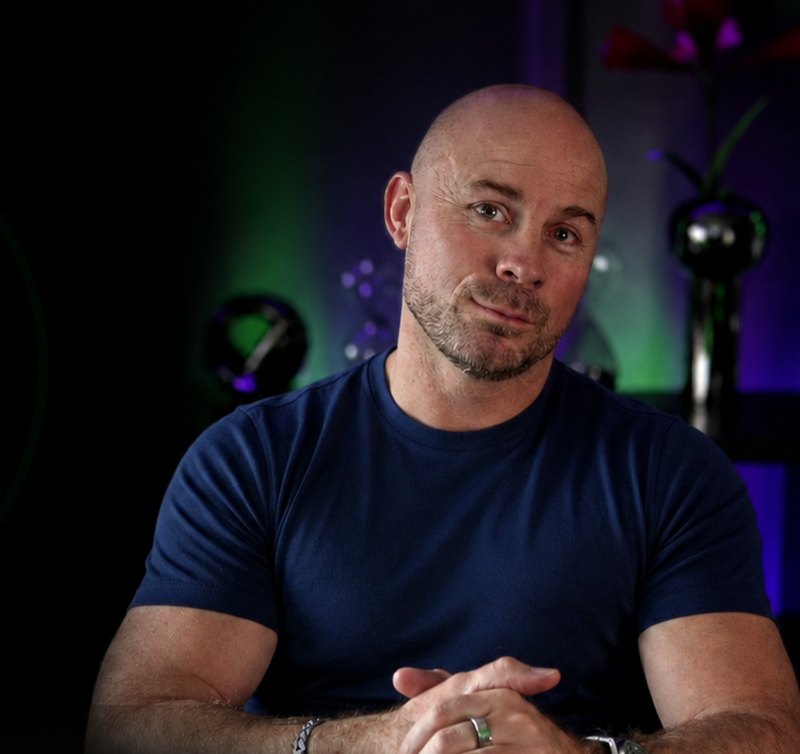
If you've opened the app to ask one thing and found yourself still chatting an hour later, there's nothing shameful in it. It's always there and always patient, which is exactly why it's easy to lean on.
Hypnosis gives you a quieter, more focused headspace for working on habits that run by themselves. We look at when you reach for the chat and what it gives you, such as calm, company or the sense of being understood. Then we rehearse other ways to meet those needs, like sitting with a worry for a few minutes before typing it, sending a message to a friend or putting the phone down at bedtime.
I've spent 17 years in clinical practice, and I hold a Postgraduate Certificate and a Postgraduate Diploma in Clinical Hypnotherapy, both with Distinction.
We also work on the things that can make people feel harder to reach than a chatbot, such as social anxiety, low confidence or fear of being judged. I won't tell you to stop using AI altogether, and I can't promise how quickly the pull will fade. The aim is for AI to be a tool you choose. You do the work of reconnecting with people, and sessions can make those steps feel less daunting.
How to use AI chatbots less: things you can try today
- Name what you're looking for. Before you open the app, notice the feeling: bored, lonely, worried or stuck. That pause gives you a choice.
- Set a time and a place. Decide when you'll use it, and keep it out of the bedroom so late night chats don't eat into your sleep.
- Switch off reminders. If the app sends you messages or notifications, turn them off so you start conversations on your own terms.
- Make one human contact a day. A message, a call or a chat at the shop counts. The NHS suggests keeping in touch with people and joining groups built around things you enjoy as ways to cope with loneliness.
- Take big decisions to people. For health, money or relationships, use AI for information if you like, but talk it through with someone you trust or a professional.
- Try a day off. Pick one day a week without it, and notice how you feel and what you do instead.
If you're on your phone far more than you'd like in general, see my page on phone addiction. If the AI has started to feel like a relationship you can't let go of, my page on love addiction may help.
When to get support for loneliness or low mood
If you feel lonely most of the time, or your mood has been low for a while, please talk to your GP. In England you can refer yourself to NHS Talking Therapies for anxiety and low mood, and the NHS has practical advice on loneliness.
If you feel hopeless or are thinking about ending your life, call Samaritans free on 116 123, day or night, or text SHOUT to 85258 to reach Shout. If you're in danger right now, call 999. A chatbot is no substitute for that kind of support, because a person can do things an AI can't, such as checking that you're safe.
Common questions
Can you be addicted to an AI chatbot?
AI chatbot addiction isn't a recognised diagnosis, and for most people chatbots are simply a useful tool. But it's possible to come to rely on one in a way that feels hard to control and starts to cost you sleep, time or relationships. If that's happening, it's worth taking seriously.
Is it unhealthy to have an AI companion?
Not necessarily. Plenty of people use one for company or to practise conversations and feel fine about it. It becomes a concern when it replaces people, sleep or support you need, or when you feel anxious without it. The check above can help you see where you are.
Should I talk to an AI about my mental health?
An AI can be a place to put your thoughts into words, but it can't assess you, keep you safe or treat you. If you're struggling, talk to your GP or, in England, refer yourself to NHS Talking Therapies. If you're in crisis, call Samaritans on 116 123.
How many sessions will I need?
That depends on what sits underneath. If it's mainly a habit, like chatting in bed every night, one 90 minute session could be a sensible place to begin. If loneliness or social anxiety is part of it, three sessions let us work on those too. We can talk about which would suit you on a consultation call.
How do sessions work?
We meet one to one on Zoom, which means a real conversation with a person rather than an app. Sessions are based on when and why you reach for the chat, and you'll be sent a recording of the hypnosis to use between sessions.
Want help to rely less on AI?
A short call is the simplest next step. Here's how it works.
- Take the check. See where you are now with the free check on this page.
- Talk it through. Book a £49 consultation call. We'll look at whether sessions would help, and the fee comes off your first session.
- Start your sessions. We work one to one over Zoom, and you keep a recording of the hypnosis to listen to between sessions.
See all session options and prices
Hypnosis downloads for connection and habits
To work on this at home, try these downloads on social confidence, loneliness and changing everyday habits. Once you've bought one, you can listen whenever you like.


Written by Adam Cox, clinical hypnotherapist. Sources: AI Security Institute, Frontier AI Trends Report; ONS, Public opinions and social trends, January 2026; NHS Every Mind Matters, loneliness; NHS Talking Therapies; Samaritans; Shout. Checked October 2026.