

Caffeine withdrawal: symptoms, timeline and how to cut down without the headache
You skip your usual coffee, or decide to give it up for good, and by the next day your head is pounding and you can hardly keep your eyes open. That is caffeine withdrawal. It is unpleasant and very common, and the research suggests it usually lasts somewhere between 2 and 9 days.
Many people find that cutting down gradually, with a plan for the trigger moments, makes it easier to stay with it.
This page covers what to expect and when, the headache, how to cut down more gently and when to see a doctor. For the habit itself, my main caffeine guide has a check you can take, and I have separate pages on energy drinks, fizzy drinks and sugar withdrawal.
Caffeine withdrawal timeline: how long does it last?
These timings come from a 2004 review by Laura Juliano and Roland Griffiths of experimental studies on stopping caffeine. Everyone is different, so treat them as a typical pattern, not a schedule.
| When | What you might notice |
|---|---|
| 12 to 24 hours after your last caffeine | Symptoms typically begin. |
| 20 to 51 hours | Symptoms are usually at their strongest, from around the end of the first day into the third day. |
| 2 to 9 days | The typical length of withdrawal before things settle. |
Source: Juliano and Griffiths, Psychopharmacology, 2004.
The review found symptoms after stopping as little as 100mg a day, and they were generally more common or stronger at higher doses. For scale, the NHS puts a cup of instant coffee at about 100mg, a cup of tea at 75mg and a can of cola at 40mg, and says filter and coffee shop coffee can contain more (NHS, 2026).
Caffeine withdrawal symptoms
Juliano and Griffiths found ten symptoms that held up well across the studies. You may get a few of them or most of them:
- headache
- tiredness, drowsiness and low energy
- feeling less alert, or foggy and not clear-headed
- difficulty concentrating
- irritability
- low mood, or feeling less content than usual
The review also judged flu-like symptoms, feeling or being sick, and aching or stiff muscles as likely signs. In the studies, about 13% of people had symptoms bad enough to cause real distress or disrupt everyday life, so if something important is coming up, it may be worth starting after it.
Caffeine withdrawal headache: why it happens and what helps
The headache is the best-known symptom: half of the people in the review’s studies got one. The Migraine Trust advises keeping your caffeine routine the same at weekends, and says caffeine withdrawal, including suddenly stopping, can trigger an attack in some people who get migraines.
The NHS advice for easing a headache yourself fits well: drink plenty of water, try to relax, do not skip meals and do not sleep more than usual. It also suggests paracetamol or ibuprofen. If you are not sure which is suitable for you, ask a pharmacist.
The review’s authors concluded that avoiding withdrawal plays a central role in why people keep having caffeine every day. Put simply, part of what your morning coffee does is stop you feeling rough without it.
How to quit caffeine or cut down on coffee gradually
If stopping in one go has sent you back before, try a slower approach. AXA Health, in a guide by a senior physiologist, says stopping slowly is probably the most sensible way to reduce caffeine, for example one cup fewer a day for three days, then two fewer for the next three. A few other things help:
- Swap some cups to decaf or half-caf. This is common sense rather than a research finding: you keep the warm drink and the break, with less caffeine. Decaf still contains a small amount.
- Count all of it. The NHS lists tea, cola, energy drinks and tablets, chocolate and some health or fitness supplements as sources, as well as coffee. Cutting coffee while drinking more cola just moves the caffeine around.
- Keep the timing steady. Have your remaining cups at the same times every day, weekends included.
- Move your last cup earlier. The NHS advises no tea or coffee for at least 6 hours before bed.
- Drink water and eat regular meals. Both are part of the NHS headache advice.
Tiredness and sleep when you give up coffee
Tiredness is one of the most common symptoms, so the first days can feel like wading through treacle and the temptation is to nap or lie in. The NHS insomnia advice is to get up at the same time every day, avoid daytime naps and not sleep in after a bad night. It also lists caffeine among the common causes of insomnia, so if your sleep has been poor, cutting down may help in the longer run.
When to get medical help
Withdrawal passes, but some headaches and symptoms need checking, whatever you think the cause is:
- Call 999 or go to A and E if a headache started suddenly and is extremely painful, or comes with symptoms such as a fit, numbness or weakness in your body or face, difficulty speaking or walking, confusion or loss of vision (NHS, Headaches).
- Ask for an urgent GP appointment or contact NHS 111 if you have a headache with vision or eye problems, a headache with being sick, or one that is set off or made worse by coughing, sneezing, bending down or exercise.
- Call 999 for chest pain that comes on suddenly and does not go away, spreads to your arms, neck, jaw, stomach or back, or comes with sweating, feeling sick, light-headedness or shortness of breath (NHS, Chest pain).
- Palpitations. The NHS lists caffeine among the common causes. See a GP if they keep coming back, happen more often or last longer than a few minutes, and call 999 if they come with chest pain, shortness of breath or fainting (NHS, Heart palpitations).
- See a GP if you get headaches regularly, if self-care is not helping, or if your mood stays low well after the first week or two.
If you are pregnant, the NHS and the Food Standards Agency advise no more than 200mg of caffeine a day. The NHS says too much has been linked to a higher chance of miscarriage and stillbirth. Your midwife or GP can help you plan how to cut down.
Where hypnotherapy fits with caffeine withdrawal
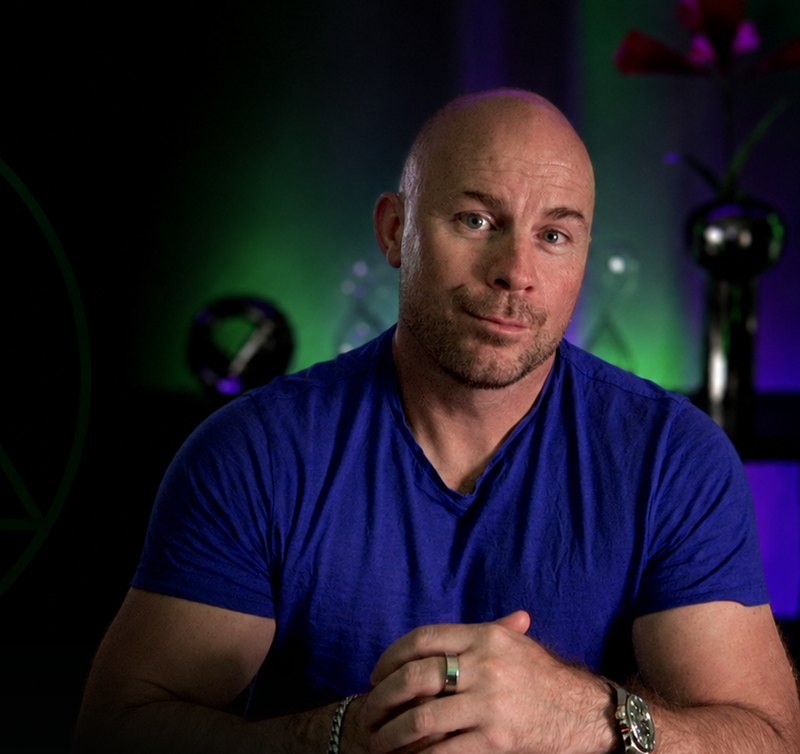
If you have tried to give up coffee and the headache sent you straight back to the kettle, that is not a lack of willpower. Withdrawal is real, and the habit around it is just as strong.
Hypnotherapy will not stop your body noticing that the caffeine has gone, and it does not treat headaches. It can work on the part of the habit that has little to do with chemistry: the kettle going on as you walk into the kitchen, the coffee shop on the way to the station, the cup before a meeting. In a relaxed, focused state we go through those moments one at a time and rehearse a different response, whether that is a decaf, a glass of water or a proper break.
I’ve spent 17 years in clinical practice, and I hold a Postgraduate Certificate and a Postgraduate Diploma in Clinical Hypnotherapy, both with Distinction.
We can also work on the afternoon energy dip and winding down at night, because tiredness often sends people back to the full-strength cup. You will still be the one making the swap each day, and some days will be harder than others. Sessions aim to make that daily choice feel steadier. You can read about how sessions work and what they cost, and more about my qualifications. To try hypnosis first, my podcast, The Hypnotist, has more than 2,300 sessions you can listen to free.
Common questions
How long does caffeine withdrawal last?
A 2004 review of the research found that symptoms typically start 12 to 24 hours after your last caffeine, are strongest between about 20 and 51 hours, and last 2 to 9 days. It varies from person to person, and people who usually have more caffeine tend to notice it more.
How long does a caffeine withdrawal headache last?
I have not found a reliable figure for the headache on its own. It is part of withdrawal, which typically lasts 2 to 9 days. If a headache is sudden and extremely painful, or comes with other symptoms such as weakness, confusion or vision problems, call 999 or go to A and E.
Do I have to give up caffeine completely?
No. Plenty of people just want to get back to one or two cups they really enjoy. The Food Standards Agency says up to 400mg a day is unlikely to cause adverse effects in adults, and the NHS advises no more than 200mg a day in pregnancy. Where you land is your choice.
How many sessions will I need?
If the habit is mostly a few fixed moments, such as the first cup and the mid-afternoon one, a single 90 minute session may be enough to get you going. If caffeine is propping up poor sleep or long hours, three sessions give us time to work on those too. We can work it out together on a consultation call.
How do sessions work?
Most people I work with meet me one to one over Zoom, from home or work. If you would rather be in the room, I see clients in person in Hertfordshire too, and the fee is the same. Either way, you get a recording of the hypnosis afterwards to play during the days you are cutting down.
Headaches sent you back to coffee before?
A short call is the simplest next step. Here’s how it works.
- Take the habit check. See where you are now with the free habit check.
- Talk it through. Book a £49 consultation call. We’ll look at whether sessions would help, and the fee comes off your first session.
- Start your sessions. We work one to one over Zoom, and you keep a recording of the hypnosis to listen to between sessions.
See all session options and prices
Hypnosis downloads for the first week without caffeine
If you would like something to listen to while you cut down, one of these works on sleep when you feel exhausted but wired, and the other on building a small new routine to sit where the old one was. Once you buy a download, you can play it as often as you like.


Written by Adam Cox, clinical hypnotherapist. Sources: Juliano LM and Griffiths RR, A critical review of caffeine withdrawal, Psychopharmacology 2004; NHS, Foods to avoid in pregnancy (caffeine); Food Standards Agency, guidance on caffeine; NHS, Headaches; The Migraine Trust, Migraine and caffeine; AXA Health, Cutting out caffeine; NHS, Insomnia; NHS, Chest pain; NHS, Heart palpitations. Checked October 2026.