

Stoptober: how to quit smoking or vaping for 28 days and beyond
Stoptober is the yearly push to help people in England stop smoking in October. The idea is refreshingly plain: stop at the start of the month, aim for 28 days without a cigarette, and treat those four weeks as the beginning of staying stopped.
Many people find that having a plan for their trigger moments makes the 28 days, and the weeks after, feel more manageable.
Stoptober is a government health campaign, promoted through the NHS Better Health quit smoking pages, with campaign materials published by the Department of Health and Social Care on its Campaign Resource Centre. The official information for smokers is at NHS Better Health, Quit smoking. I’m an independent hypnotherapist: this page isn’t part of Stoptober, and it isn’t endorsed by the NHS or the government.
Below I explain how Stoptober works, whether it includes vaping, how to get ready, the free help available and what to do if October has already gone. For my wider approach to smoking, see my stop smoking page.
How Stoptober works
- Stop in October. Stoptober 2026 started on 1 October. The government’s campaign runs from 17 September to 1 November 2026, so people had a fortnight to prepare before the 1st.
- Aim for 28 days. In the NHS’s words: “Your goal is to reach 28 days smoke free. If you can do that, you’re 5 times more likely to quit for good.”
- Use the free app. The NHS Quit Smoking app lets you track your progress, see how much you’re saving, get daily support and get inspired by others.
- Make a plan. The NHS has a free Personal Quit Plan that gives you practical steps for stopping cigarettes or roll-ups.
Stoptober itself is mostly about timing and company. The practical help comes from the free NHS support and stop smoking aids further down this page, and those are there all year.
Does Stoptober include vaping?
Stoptober is aimed at people who smoke, and vaping comes into it as a way to stop. The NHS says nicotine vaping is less harmful than smoking and “one of the most effective tools for quitting smoking”. It adds that almost two-thirds of people who use a vape along with support from a local Stop Smoking Service successfully quit smoking, and that your local service may offer a free vaping starter pack (NHS Better Health, Vaping to quit smoking).
Vaping isn’t completely harmless, and the NHS says non-smokers and under-18s should not take it up. Once you’re sure you won’t go back to cigarettes, it advises aiming to stop vaping too. The Personal Quit Plan is written for cigarettes, so if the vape is what you want to give up, my page on quitting vaping is a better place to start. The NHS says there isn’t enough evidence yet on how safe nicotine pouches are or how well they help people quit, and suggests licensed options such as nicotine replacement, medicines or vapes instead. I’ve written about nicotine pouches separately.
Stoptober tips: getting ready for day one
The NHS advice on smoking triggers is practical, and most of it is best done before you stop:
- Clear the decks. The NHS says to throw away your cigarettes, lighters and ashtrays and make sure your stop smoking products are ready.
- Know your triggers. Coffee, the end of a meal, a work break, a drive, waiting for a bus. Work out which ones are yours.
- Change the routine around them. The NHS suggests swapping coffee for juice in the morning, taking a different route to work, or chewing minty gum or brushing your teeth after eating.
- Have a reply ready. When someone offers you one, the NHS suggests something like “No thanks, I don’t smoke anymore.”
- Be careful with alcohol. The NHS says alcohol weakens self-control and makes cravings harder to resist, and suggests non-alcoholic drinks when you’re out, especially during the first 28 days.
- Practise a breathing exercise. The NHS 4-5-6 technique is to breathe in for 4 seconds, hold for 5 and breathe out for 6.
The first days without a cigarette
Expect the opening stretch to be uncomfortable. My nicotine withdrawal guide sets out the NHS timeline and the common symptoms, so I won’t repeat them here.
Two things catch a lot of people out. One is snacking, which can creep up once cigarettes have gone, and my page on cravings and weight gain after quitting covers that. The other is regular medication: if you take any, tell your GP or pharmacist that you’re stopping smoking, and don’t change a dose yourself. The withdrawal guide explains why.
Stoptober free support from the NHS
This is the part I’d urge anyone doing Stoptober to use. It’s free, and it sits alongside anything else you try.
- Your local Stop Smoking Service. The NHS says free expert help from your local service can boost your chances of quitting by 3 times. Support usually lasts up to 12 weeks, and you can contact the service yourself or ask your GP, pharmacist or health visitor to refer you. Find your local service
- Stop smoking aids. Nicotine replacement comes as patches, gum, lozenges, inhalators and mouth and nasal sprays, and the NHS also lists the tablets varenicline, cytisinicline and bupropion. It says the best approach is to combine a fast-acting source of nicotine, like a mouth spray, with a slow-acting one, like a patch, and that combining nicotine-free medicines with nicotine replacement gives you the best chance to quit for good. A healthcare professional can help you choose.
- Helplines. In England, the free Smokefree National Helpline is 0300 123 1044. In Scotland, call Quit Your Way Scotland free on 0800 84 84 84, and in Wales, Help Me Quit free on 0800 085 2219. In Northern Ireland, the Public Health Agency’s stopsmokingni.info lists local services.
- The app and quit plan. Both the NHS Quit Smoking app and the Personal Quit Plan are free.
Missed Stoptober? Start your own 28 days
There’s nothing special about October itself. The 28-day goal works in any month, and the NHS app, the quit plan and your local service are all there when you’re ready. Pick a date that gives you a week to prepare, steer clear of one in the middle of a big event, and treat the first 28 days as the target.
If you tried in October and slipped, count it as practice. Note what tripped you up, whether it was a drink, a stressful day or a friend lighting up, and build that into your next plan.
Where hypnotherapy fits with Stoptober
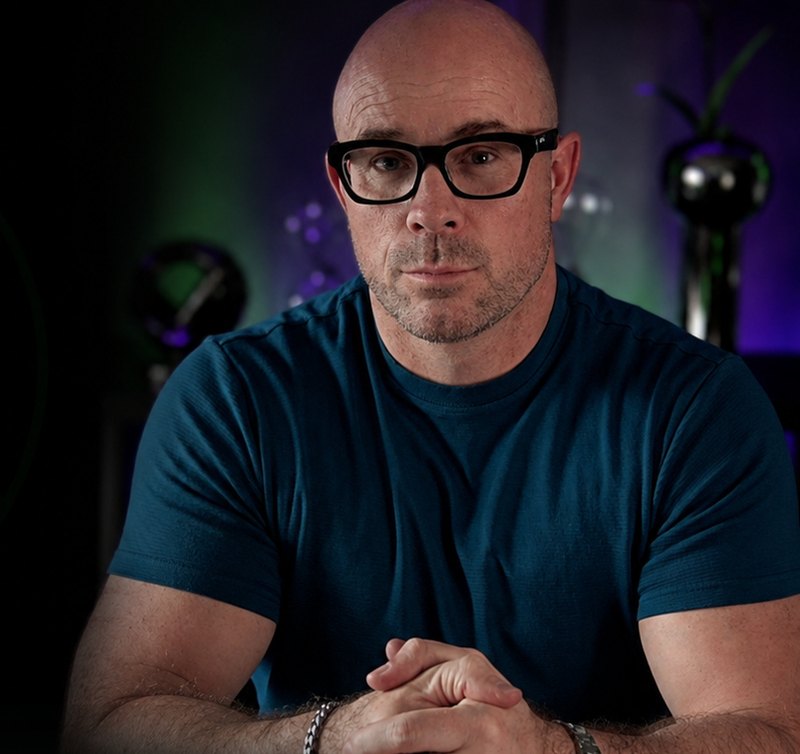
If you’ve tried Stoptober before and found yourself smoking again by November, you haven’t failed. Lots of people need more than one go to stop, and each try teaches you something about your triggers.
Hypnotherapy isn’t a replacement for patches, tablets, a vape or a stop smoking adviser, and the research doesn’t show that it works better than other stop smoking support. I go through that evidence honestly on my page does hypnotherapy work? My advice is to use it alongside NHS help, not instead of it.
I’ve spent 17 years in clinical practice, and I hold a Postgraduate Certificate and a Postgraduate Diploma in Clinical Hypnotherapy, both with Distinction.
What sessions can work on is the part a patch doesn’t reach: the cigarette with the first coffee, the one in the car, the smoke you have to get away from a hard day. In hypnosis you’re calm and focused, and we rehearse those moments one at a time, so you’ve already pictured getting through them before they arrive. You’ll still need to want to stop, and the first month will still have difficult days. You can read about my qualifications here, and if you’d like to try hypnosis before booking anything, The Hypnotist podcast has more than 2,300 sessions you can listen to for free.
Common questions
What is Stoptober?
Stoptober is a yearly campaign that encourages people in England who smoke to stop in October and aim for 28 days smoke free.
Does Stoptober include vaping?
Stoptober is for people who smoke, and the NHS describes nicotine vaping as one of the most effective tools for quitting smoking. If you want to give up the vape itself, the NHS suggests doing that once you’re sure you won’t return to cigarettes.
What is the Stoptober app?
It’s the NHS Quit Smoking app. It’s free, and it tracks your progress and savings and gives you daily support.
Why 28 days for Stoptober?
The NHS says that if you reach 28 days smoke free, you’re 5 times more likely to quit for good. It’s a milestone rather than a finishing line, so keep your support going afterwards.
How many sessions will I need?
If you’re ready to set a quit date, one 90 minute session close to that date is often where people begin. If you’ve had several goes before, three sessions let us come back to whatever is still catching you out. We’ll choose together on the consultation call.
How do sessions work?
I see most people one to one over Zoom, and I also offer face to face sessions in Hertfordshire at the same price. After a session you get a recording of the hypnosis to replay during your first 28 days.
Planning a quit date, or Stoptober didn’t go to plan?
A short call is the simplest next step. Here’s how it works.
- Take the habit check. See where you are now with the free habit check.
- Talk it through. Book a £49 consultation call. We’ll look at whether sessions would help, and the fee comes off your first session.
- Start your sessions. We work one to one over Zoom, and you keep a recording of the hypnosis to listen to between sessions.
See all session options and prices
Hypnosis downloads for your first 28 days
If you’d like something to listen to while you stop, there’s one session for the urge to go back in the early weeks, one for the habit of lighting up when the phone rings, and a collection of five sessions about seeing yourself as a non-smoker. They support your quit plan rather than replace NHS help, and you can play each one as often as you like.


Written by Adam Cox, clinical hypnotherapist. Sources: NHS Better Health, Quit smoking (Stoptober 2026); Department of Health and Social Care Campaign Resource Centre, Stoptober 2026; NHS Better Health, Personal Quit Plan; NHS Better Health, Vaping to quit smoking; NHS Better Health, Should I quit smoking cold turkey; NHS Better Health, Understand your smoking triggers and cravings; NHS Better Health, Ready to quit smoking; NHS Better Health, Find the best stop smoking products for you; NHS, Stop smoking services, reviewed September 2026; NHS Specialist Pharmacy Service, Managing specific interactions with smoking; Public Health Agency, Stop smoking NI. Checked October 2026, including helpline numbers.