

Ultra-processed food addiction: is it real, and how to cut down
Cereal at breakfast, a meal deal at lunch, crisps and biscuits in between and a ready meal when you’re too tired to cook. Ultra-processed food runs through a lot of our days, and plenty of people now wonder whether they’re hooked on it, especially when an open packet is so hard to put down.
Many people find that once they notice when and why they reach for it, cutting down gets easier, without a diet or a list of banned foods.
This page covers what ultra-processed foods (UPF) are, whether they can be addictive, where scientists still disagree and how to cut down without a diet. It isn’t about weight. If takeaways and delivery apps are your main problem, my page on junk food covers those.
They make up a large part of the UK diet. The government’s Scientific Advisory Committee on Nutrition (SACN) found UK estimates ranging from 51% to 68% of total dietary energy, although it said how valid and repeatable those estimates are is unclear (SACN, 2023).
What are ultra-processed foods?
Most food is processed in some way. The NHS says a processed food is any food or drink changed when it’s made or prepared, such as pasteurised milk (NHS, What are processed foods?). Ultra-processed food is a narrower group.
The most widely used system for sorting foods by processing is NOVA, from Carlos Monteiro and colleagues at the University of São Paulo in Brazil. It has four groups (Monteiro and colleagues, Public Health Nutrition, 2019):
- Group 1: unprocessed or minimally processed foods, such as foods dried, frozen or pasteurised without added salt, sugar or fat
- Group 2: processed culinary ingredients, such as oils, sugar and salt
- Group 3: processed foods, made by adding group 2 ingredients to group 1 foods
- Group 4: ultra-processed foods, which the authors describe as formulations of ingredients, mostly of exclusive industrial use
For an ultra-processed foods list, the NHS gives examples including sweetened drinks, crisps, packaged cakes and biscuits, ice cream, sweets, chocolate and some ready meals. The NOVA authors suggest a simple test: read the ingredients. Things you’d rarely use at home, such as hydrolysed proteins or hydrogenated oils, or additives such as flavourings, emulsifiers and sweeteners, mark a product as ultra-processed.
There’s no single agreed definition, though. The Food Standards Agency points out that a chocolate bar and a loaf of shop-bought wholegrain bread might both be classed as ultra-processed (Food Standards Agency, Ultra-processed foods).
Signs ultra-processed food has a hold on you
- Most of your meals come out of a packet, a box or a wrapper
- Once a packet of crisps or biscuits is open, it gets finished
- Home-cooked food seems bland, or too much effort, next to the ready-made version
- You've tried to cut down and found yourself back with the same products within days
- You feel low or guilty about what you eat, and that sends you back for more
Are ultra-processed foods addictive? What the research says
Some researchers think they can be, for some people. In a 2023 BMJ analysis, Ashley Gearhardt and colleagues drew on two systematic reviews covering 281 studies from 36 countries, and estimated that ultra-processed food addiction affects 14% of adults and 12% of children. Much of this research uses the Yale Food Addiction Scale, which adapts the criteria for substance addiction, such as cravings, reduced control and carrying on despite harm (Gearhardt and colleagues, BMJ, 2023). Those figures are international, not UK estimates.
The authors suggest why. Many of these foods combine refined carbohydrates and fats, which minimally processed foods rarely do, they're faster to eat, and flavour additives boost sweet and savoury tastes.
The idea is still argued over. The same paper says it is not an official diagnosis, and no specific addictive chemical, like nicotine in tobacco, has been found in food. A 2016 review in the European Journal of Nutrition found little evidence for sugar addiction in humans (Westwater and others, 2016). So "addiction" may fit some people and overstate things for others, but if you feel you can't stop, take it seriously. If you feel irritable or tired when you first cut back, my page on sugar withdrawal looks at that research.
Ultra-processed food and health: what is known and what isn't
A 2024 BMJ umbrella review led by Melissa Lane brought together 45 pooled analyses with almost 10 million participants between them. It linked eating more ultra-processed food with 32 health outcomes, with the strongest evidence for deaths from heart and circulation disease, type 2 diabetes, anxiety and common mental health problems. Most of the evidence was rated low or very low quality (Lane and colleagues, BMJ, 2024).
SACN's 2025 update called the links concerning, but said the evidence is almost entirely observational and it's unclear how much is down to processing rather than the fat, sugar and salt in many of these foods (SACN, 2025).
Not all processed food is bad for you. The NHS says some ultra-processed foods, such as wholemeal sliced bread or baked beans, can fit a healthy diet, and most people would benefit from eating less of the ones high in saturated fat, salt or sugar.
How hypnotherapy can help you cut down on ultra-processed food
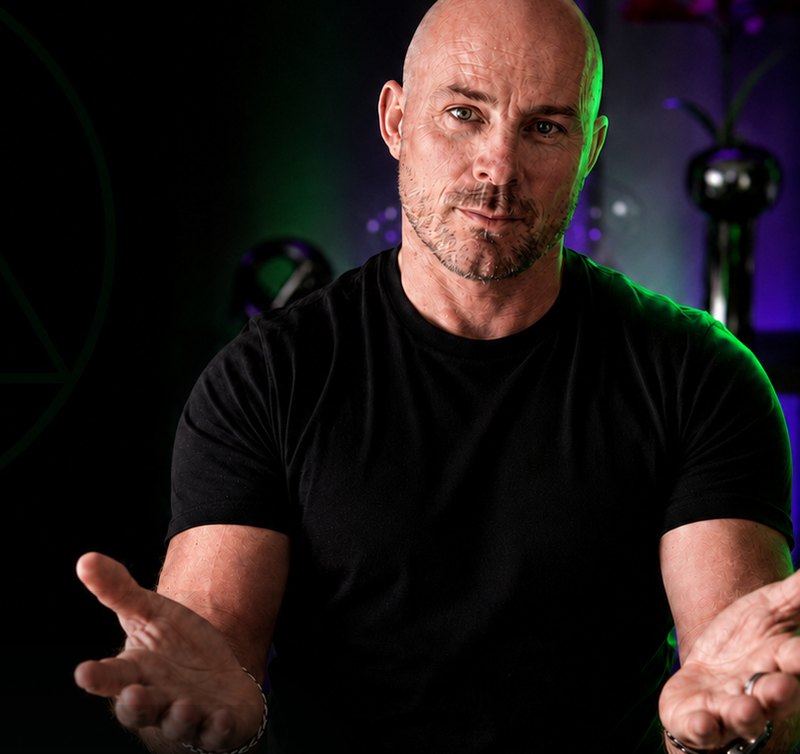
If you've tried to cut down before and found yourself back at the multipack by the evening, that isn't a lack of willpower. These foods are easy to eat without thinking, and the habit around them runs on autopilot.
I won't give you a meal plan. Hypnotherapy works on the automatic side of eating: the hand that goes to the multipack, the daily meal deal, the evening when cooking feels like too much. In a relaxed, focused state we rehearse a different response to those moments, so there's a pause before the packet comes out.
I've spent 17 years in clinical practice, and I hold a Postgraduate Certificate and a Postgraduate Diploma in Clinical Hypnotherapy, both with Distinction.
You'll still be the one choosing, the new habit needs practice, and I can't tell you in advance how much will change. For what the research does and doesn't show, see my honest guide to whether hypnotherapy works, and there's more about my qualifications too. If you'd like to try hypnosis before booking anything, my podcast, The Hypnotist, has more than 2,300 hypnosis sessions you can listen to free.
Hypnotherapy isn't a treatment for an eating disorder. If you make yourself sick, skip meals or eat large amounts and feel out of control, please speak to your GP or Beat first.
How to cut out ultra-processed food, or just cut down
- Change one thing first. Start with the ultra-processed food you eat most often, such as the breakfast cereal or afternoon biscuits, rather than overhauling everything.
- Turn the packet over. Ingredients you wouldn't keep in your kitchen are the NOVA sign of ultra-processing, and the NHS says colour-coded labels show whether a food is high or low in fat, sugar or salt.
- Look at your drinks. SACN says sugar-sweetened drinks should be kept to a minimum. My fizzy drinks page has ideas.
- Keep a few quick meals ready. Eggs, beans on toast or pasta with vegetables take minutes, and ultra-processed food often wins simply because it's quickest when you're tired.
- Don't ban foods outright. In my experience strict rules make a food loom larger. Decide when you'll have it, and enjoy it when you do.
- Change the way you shop. Write a list, eat before you go and skip the aisles where extras end up in the basket.
For picking between meals, see my page on snacking, and if sugar is the main pull, see sugar addiction.
When to talk to your GP or Beat
If you often eat large amounts and feel out of control, or you make yourself sick, skip meals or exercise to make up for eating, please talk to your GP or call Beat on 0808 801 0677.
The same applies if cutting out ultra-processed food starts to take over your thoughts, or you feel anxious or guilty after eating anything from a packet. Beat's helplines are free and open 3pm to 8pm, Monday to Friday, and you don't need a diagnosis to call. In Scotland ring 0808 801 0432, in Wales 0808 801 0433 and in Northern Ireland 0808 801 0434.
Common questions
Are ultra-processed foods addictive?
Some research suggests they can be for some people. A 2023 BMJ analysis estimated that 14% of adults show signs of ultra-processed food addiction, but it isn't an official diagnosis and scientists still disagree about it.
What are ultra-processed foods?
They're foods made mostly from ingredients you wouldn't use at home, through a series of industrial processes. NHS examples include sweetened drinks, crisps, packaged cakes and biscuits, ice cream, sweets and some ready meals.
Is all processed food bad for you?
No. The NHS says not all processed foods are unhealthy, and that some ultra-processed foods, such as wholemeal sliced bread or baked beans, can be part of a healthy diet. Its advice is to eat less of the ones high in saturated fat, salt or sugar.
Do I need to cut out ultra-processed food completely?
No, and for most people it wouldn't be realistic. UK government advice is to cut back on saturated fat, sugar and salt and eat more vegetables and fibre. Cutting down on the ultra-processed foods you eat most often is a sensible place to start.
How many sessions will I need?
That depends on how much of your day runs on packaged food. If it's one or two clear habits, such as the lunchtime meal deal or evening crisps, one 90 minute session can be a reasonable start. If tiredness, stress or comfort are part of it, three sessions give us time for those too. We can agree this on a consultation call.
How do sessions work?
Most people see me one to one over Zoom, and I also see people face to face in Hertfordshire at the same price. The hypnosis is based on your own eating habits, and you get a recording afterwards to listen to while you make changes.
Want help to cut down on ultra-processed food?
A short call is the simplest next step. Here's how it works.
- Take the check. See where you are now with the free check on this page.
- Talk it through. Book a £49 consultation call. We'll look at whether sessions would help, and the fee comes off your first session.
- Start your sessions. We work one to one over Zoom, and you keep a recording of the hypnosis to listen to between sessions.
See all session options and prices
Hypnosis downloads for cutting down on processed food
If you'd rather start on your own, these sessions focus on choosing fresher food, telling hunger from habit and stopping when you've had enough. Buy one once and play it as often as you like.


Written by Adam Cox, clinical hypnotherapist. Sources: SACN, Statement on processed foods and health, 2023; SACN, Processed foods and health: rapid evidence update, 2025; NHS, What are processed foods?; Food Standards Agency, Ultra-processed foods; Monteiro CA and others, Public Health Nutrition 2019; Gearhardt AN and others, BMJ 2023; Lane MM and others, BMJ 2024; Westwater ML and others, European Journal of Nutrition 2016; Beat helplines. Checked October 2026.