

How to quit chewing tobacco, gutkha and paan
Get any changes in your mouth checked first
Please see a GP or dentist if you have a mouth ulcer that has lasted more than 3 weeks, a red or white patch in your mouth, or a lump in your mouth or on your lip. The NHS says these symptoms are very common and can be caused by other conditions, but it’s important to get them checked, because if they are caused by cancer, finding it early may mean it’s easier to treat (NHS, Mouth cancer symptoms).
Tell your dentist that you chew, even if it feels awkward to say. It helps them know what to look for.
Gutkha after lunch, paan after a family meal, a pinch of naswar or khaini with your tea, supari in your pocket all day. Whatever you call it, chewing tobacco can slip into your routine so quietly that you only notice how much you rely on it when you try to go without.
NICE recognises that for many people these products are part of their culture, and that offering them can be a polite social custom, so stopping can feel like more than giving up a habit. You don’t have to step back from your family or your culture to stop chewing tobacco. What helps is a plan for the moments it’s tied to. This page is for anyone who chews, whatever the product is called. It covers the health risks, the free NHS help you can ask for and how hypnotherapy can help with the habit itself.
Gutkha side effects: what chewing tobacco can do to your health
Cancer Research UK says smokeless tobacco is linked with causing mouth cancer. That includes chewing tobacco and betel quid, such as gutkha or paan, with or without tobacco. It also says smokeless tobacco is not a safe alternative to cigarettes (Cancer Research UK, 2024). The NHS lists chewing tobacco, betel nut and paan among the things that make mouth cancer more likely (NHS, Mouth cancer causes).
It isn’t only your mouth. National guidance tells doctors, dentists and pharmacists to explain to people who use smokeless tobacco the risk of heart and circulation disease, cancers of the mouth and throat, and gum disease (NICE, NG209, 2021). Cancer Research UK adds that people who smoke are more at risk if they also drink alcohol and chew betel quid with tobacco.
Supari can seem harmless because there’s no tobacco in it. Supari is areca nut, also called betel nut. NICE describes areca nut as a mildly euphoric stimulant that is addictive and can cause cancer in its own right (NICE, PH39, 2012).
Signs chewing tobacco has a hold on you
- You reach for it after every meal or cup of tea without thinking
- There’s a packet in your pocket, another in the car and one at work
- Your mouth or gums are sore and you carry on anyway
- You feel irritable or can’t settle when you go without
- You’ve stopped before and were back within days
- You’ve swapped one product for another, such as gutkha for supari, rather than stopping
Why it’s so hard to quit gutkha and chewing tobacco
Tobacco contains nicotine, and your body gets used to a steady supply. When the level drops you can feel restless, low or unable to focus, and another chew quickly puts that right. If you use supari or paan as well, the areca nut adds a second hook of its own. Each time a chew takes the edge off, the habit gets a little stronger.
Then there are the moments it’s linked to: the end of a meal, a cup of tea, a break at work, a family gathering where someone hands it round. Those links run on autopilot. Some people also find their mouth or teeth hurt for a while after they stop, and NICE notes that this pain can lead people back to chewing. If it happens to you, see your dentist rather than giving up on stopping.
How hypnotherapy can help you stop chewing tobacco
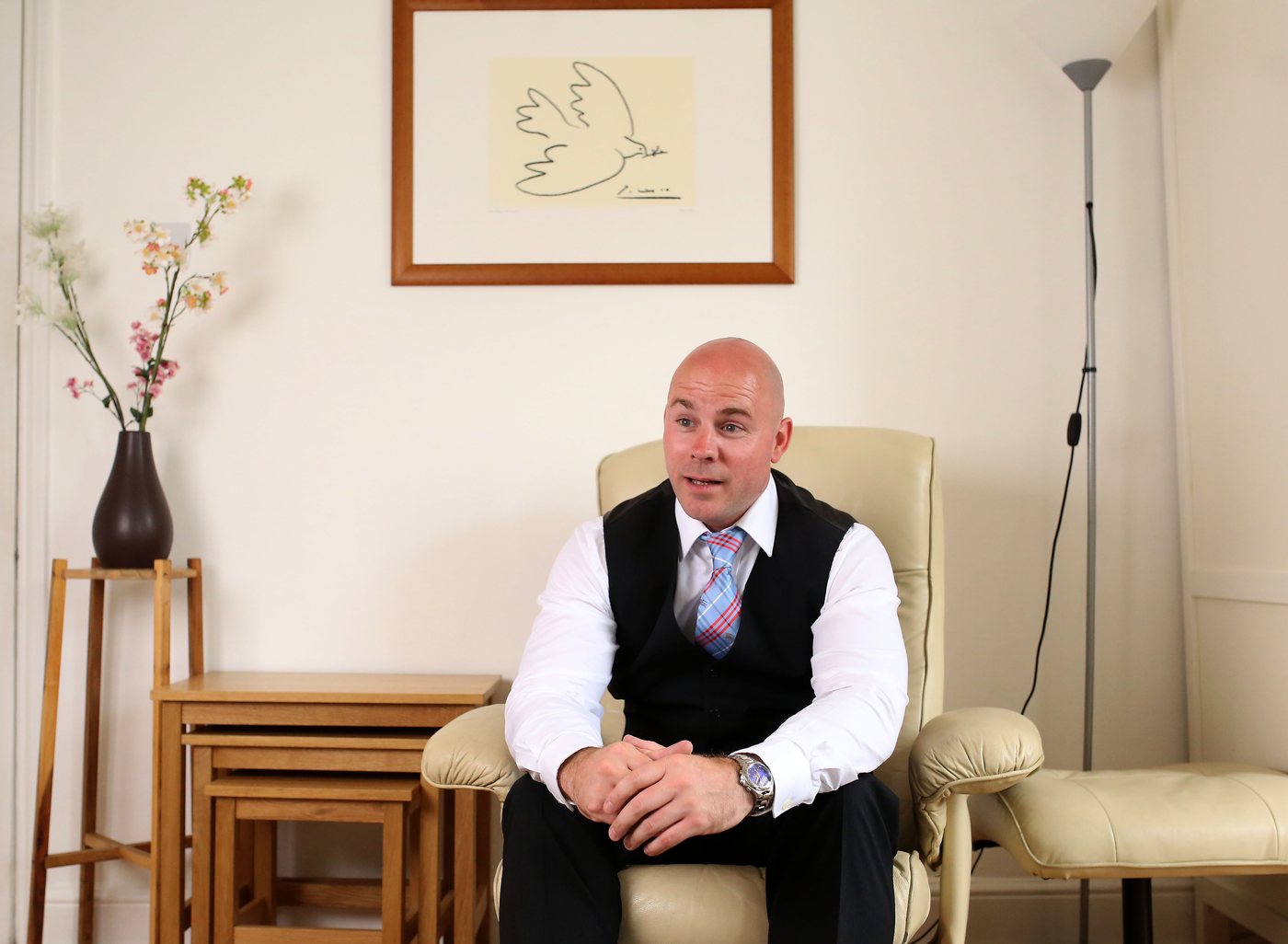
Hypnotherapy doesn’t check or treat your mouth, and it isn’t a replacement for your dentist, your GP or a stop smoking service. Where it can help is with the habit: the hand that goes to the packet after dinner, the chew that comes with your tea and the moment someone offers you paan at a wedding. In a relaxed, focused state we rehearse those exact moments, so that saying no starts to feel familiar. We also look at what chewing does for you, whether that’s a lift, something to do with your mouth or a way to take a break.
You’ll still be the one leaving the packet alone, and some days will be harder than others. Sessions aim to take some of the struggle out of each choice, and they can sit alongside support from a stop smoking service. For the honest picture on the research, see my guide to whether hypnotherapy works, and there’s more about my qualifications here.
How to quit chewing tobacco: things you can try today
- Pick a day and tell someone you trust. A partner, a friend or a family member who knows can back you up when it’s offered.
- Clear out your supply. Take the packets out of your pockets, the car, your desk and the house, including any spare supari.
- Plan for after meals. This is often the strongest moment. Brush your teeth, have a glass of water, chew sugar-free gum or go for a short walk straight after you eat.
- Have your answer ready. When someone offers it at home, at work or at a celebration, a simple “No thanks, I’ve stopped”, said the same way every time, gets easier with practice.
- Don’t swap one for another. NICE guidance warns that some people who stop chewing tobacco start smoking, or move to areca nut products without tobacco. Supari and cigarettes both carry their own risks.
- Get support. Contact your local stop smoking service, and ask a pharmacist what might help you through the first few weeks.
Free NHS help to stop chewing tobacco
NICE guidance says GPs, dentists and pharmacists should ask about smokeless tobacco using the names people know it by, and refer anyone who wants to stop to specialist stop smoking support. Those services are asked to help people who both smoke and chew to stop both, and to help with mouth pain and withdrawal.
In England, your local Stop Smoking Service is free. The NHS suggests contacting them before you visit to check they can help, so say that you chew tobacco rather than smoke. You can also call the Smokefree National Helpline on 0300 123 1044. In Scotland, call Quit Your Way Scotland on 0800 84 84 84, and in Wales, Help Me Quit on 0800 085 2219 (NHS stop smoking services).
If you need a dentist in England, use the NHS Find a dentist service. If you’re worried about the first few weeks, my page on nicotine withdrawal explains what to expect. If you smoke as well, see my guide to stopping smoking, and if you use pouches or snus, see nicotine pouches. For other free services, my page on help with addiction lists them.
Common questions
Is gutkha banned in the UK?
I can’t find any UK law that bans gutkha by name. Snus and similar oral tobacco have been banned in the UK since 1992, but the legal definition of those products leaves out tobacco that is meant to be chewed. Government guidance lists chewing tobacco as a tobacco product, and from 1 January 2027 it will be an offence to sell tobacco products to anyone born on or after 1 January 2009. The rules are changing, so check GOV.UK for the latest. Being legal doesn’t make it safe.
Is paan or supari safe without tobacco?
No. Cancer Research UK links betel quid, such as gutkha or paan, to mouth cancer with or without tobacco. NICE describes areca nut, which is what supari is, as addictive and able to cause cancer in its own right.
Can the NHS help me quit chewing tobacco?
Yes. NICE guidance says people who use smokeless tobacco and want to stop should be referred to specialist stop smoking support. Local services vary, so contact your local Stop Smoking Service first and say that you chew rather than smoke. Your GP, dentist or pharmacist can also point you in the right direction.
I chew and smoke. Can we work on both?
Yes. NICE asks stop smoking services to help people who do both to stop both, and in sessions we can work on the cigarette and the chew together. Stopping one and leaning harder on the other is common, so it helps to plan for both from the start.
How many sessions will I need?
If you chew at a few set times, such as after meals, one 90 minute session aimed at those moments may be enough to get you started. If you’ve chewed most of the day for years, or you’ve tried to stop many times, three sessions give us more room. We can decide together on a consultation call.
How do sessions work?
Most people work with me one to one over Zoom, and I also see people face to face in Hertfordshire at the same price. You get a recording of the hypnosis afterwards, which you can play before the times you usually chew.
Ready to start?
Book a £49 consultation call and we’ll talk through your chewing and what would help, or take the free check first.
See all session options and prices
Written by Adam Cox, clinical hypnotherapist. Sources: NHS, Mouth cancer symptoms, reviewed June 2023; NHS, Mouth cancer causes, reviewed June 2023; Cancer Research UK, Risks and causes of mouth cancer, reviewed August 2024; NICE, Tobacco: preventing uptake, promoting quitting and treating dependence (NG209), 2021; NICE, Smokeless tobacco: South Asian communities (PH39), 2012; Chande and Suba, Tackling the use of supari (areca nut) and smokeless tobacco products in the South Asian community in the United Kingdom, Dental Update, 2016; GOV.UK, Selling tobacco, herbal smoking products and cigarette papers, updated August 2026; Tobacco and Vapes Act 2026, section 7; NHS stop smoking services, reviewed September 2026; NHS Better Health, Find your local Stop Smoking Service. Checked October 2026.