Help with addiction in the UK: free and private options
If you need help right now
Call 999 if someone has collapsed, can’t be woken, is struggling to breathe or is having a fit, and tell the crew what has been taken or drunk.
If you drink heavily every day, or you take prescribed medicines such as benzodiazepines, please don’t stop suddenly. The NHS says it can be very dangerous to stop drinking suddenly if you’re dependent on alcohol. Speak to your GP first so you can stop safely.
Samaritans answer 24 hours a day, free, on 116 123 if you feel hopeless or have thoughts of ending your life. If you’d rather text, Shout is free and open 24 hours: text SHOUT to 85258.
Asking for help with an addiction is hard. Many people put it off for a long time, partly out of shame and partly because they don’t know where to start. This page sets out where to get help for addiction in the UK, what is free on the NHS, which helplines cover which problems, and what to look for if you decide to pay for private help.
The NHS defines addiction as not having control over doing, taking or using something to the point where it could be harmful to you (NHS, 2024). That covers drink, drugs, gambling and smoking, but also things like shopping, work and the internet. Later on I’ll be clear about where hypnotherapy can help and where you need other support first.
Free addiction help on the NHS
- Your GP. A good first stop for any addiction. Your GP can talk it through, check your health and refer you on, usually to your local drug or alcohol service. Be honest about how much you use, so they can help properly.
- Local drug and alcohol services. You don’t have to go through your GP. The NHS says you can approach your local drug treatment service yourself, and that you can see a GP or an alcohol addiction support service about your drinking. Search by postcode with FRANK’s service finder or the NHS alcohol service finder.
- NHS gambling clinics. England has specialist NHS gambling treatment clinics, and you can refer yourself to one near you. The NHS gambling page lists them.
- NHS stop smoking services. Local stop smoking services are free and can improve your chances of quitting. Find one near you.
- NHS Talking Therapies. If anxiety or low mood sits behind the habit, adults in England can refer themselves to NHS Talking Therapies without a diagnosis.
Some of these services are for England. If you live in Scotland, Wales or Northern Ireland, your GP can point you to the local equivalent, and the NHS alcohol finder links to the right service for each nation.
Can I get rehab on the NHS?
Sometimes, but it isn’t the usual first step. Most people get support to stop drinking or using in the community, through their local service, and some medicines can be taken at home. Some people need a short stay in an NHS inpatient unit or a medically supported residential service so their withdrawal can be treated safely (NHS, alcohol support).
For alcohol, the NHS says intensive residential rehab is usually reserved for people with medium or high levels of dependence, and that there may be an extra assessment to see whether funding is available, because local authorities are responsible for alcohol treatment. For drugs, your local service can refer you to residential rehab if it might be a good option for you (NHS, drug addiction). The way in is the same either way: start with your GP or your local drug and alcohol service and ask.
Addiction helplines in the UK
| For | Helpline | How to contact |
|---|---|---|
| Drugs | FRANK | Confidential and open 24 hours on 0300 123 6600, or text 82111 |
| Alcohol | Drinkline | 0300 123 1110, free and confidential, weekdays 9am to 8pm, weekends 11am to 4pm |
| Gambling | National Gambling Helpline | 0808 8020 133, free, 24 hours, also for family and friends |
| Smoking | NHS Smokefree National Helpline | 0300 123 1044, free |
| Eating disorders | Beat | 0808 801 0677 in England, free, 3pm to 8pm on weekdays (Beat lists other numbers for Scotland, Wales and Northern Ireland) |
| Feeling hopeless | Samaritans | 116 123, free, 24 hours |
| Crisis, by text | Shout | Text SHOUT to 85258, free, 24 hours |
| A parent’s drinking | Nacoa | 0800 358 3456, free and confidential |
| Someone else’s drinking | Al-Anon | 0800 0086 811, free, 7 days a week |
Numbers and opening times checked on each service’s own site, and Drinkline and the Smokefree helpline on the NHS alcohol support and NHS stop smoking pages, October 2026.
Addiction charities and support groups
Charities and the NHS provide most drug treatment in the UK (NHS). These are the main ones, plus the mutual support groups that meet in person and online.
- We Are With You. Free, confidential support for drugs, alcohol and mental health in England and Scotland, including an online chat with recovery workers.
- Change Grow Live. Free and confidential drug and alcohol treatment and support, with local services and a webchat.
- GamCare. Runs the National Gambling Helpline and offers support for people who gamble and the people close to them.
- Twelve step groups. Alcoholics Anonymous (free helpline 0800 917 7650), Narcotics Anonymous (0300 999 1212, 10am to midnight), Cocaine Anonymous (0800 612 0225, 10am to 10pm, 7 days) and Gamblers Anonymous, whose meetings need no appointment.
- SMART Recovery UK. Free meetings face to face or online, based on practical tools rather than the twelve steps.
- For families. Adfam offers one to one support for people affected by a loved one’s drinking, drug use or gambling (it doesn’t run a helpline). Al-Anon supports families of problem drinkers, and its Alateen groups are for 12 to 17 year olds. GamAnon runs meetings for people affected by someone else’s gambling.
If it’s someone else’s addiction that worries you, my guide on how to help someone with an addiction covers what tends to help and how to look after yourself.
Private addiction help: counselling, rehab and hypnotherapy
Some people pay for help because of waiting times or because they want more sessions than a local service can offer. You’ll need to pay for private treatment yourself (NHS). I haven’t found a reliable UK source for typical prices, so I won’t guess at figures here. Ask any provider for their full costs in writing before you commit.
- Private counselling or therapy. Weekly talking therapy, often CBT, which is one of the talking therapies the NHS uses for drink and drug problems.
- Private rehab. A residential stay away from home. The NHS says you can pay for residential rehab privately, and some medical insurers may fund it for a certain period, so check your policy. If you are physically dependent on alcohol or drugs, make sure any rehab has medical support for withdrawal.
- Hypnotherapy. One to one sessions for habits such as smoking, vaping, overeating or phone use, or as extra support alongside proper treatment for a more serious addiction. I’ve written an honest guide to whether hypnotherapy works, and what it can and can’t do.
How to choose a private practitioner
- Check their training. Apart from chiropractors and osteopaths, complementary therapists, including hypnotherapists, don’t have to be registered by law, so training varies a lot. Ask what qualifications they hold and where they trained.
- Check a register. The NHS advises choosing a private therapist who is registered with a professional organisation accredited by the Professional Standards Authority. You can check a practitioner on the PSA website.
- Ask about insurance. A professional practitioner should hold professional indemnity insurance and be happy to tell you so.
- Listen for honesty about limits. Be wary of anyone who promises results, quotes impressive percentages or says one session will fix everything. A good practitioner will ask about your health and medicines, and will tell you if you need a GP or a specialist service first.
The NHS also says hypnotherapy may not be safe if you have schizophrenia or a history of psychosis, or epilepsy, and that you should tell any therapist about your medical conditions, medicines and other treatments (NHS, complementary therapies).
Help by habit or addiction
Each of my guides covers the warning signs, the UK services that fit and a short self-check. The full list is in the addictions A to Z, or you can start with the free habit check. The most read guides are:
- Drinking: alcohol, cutting down on drinking and alcohol withdrawal
- Nicotine: smoking, vaping and nicotine withdrawal
- Gambling: gambling and online gambling
- Drugs and medicines: cannabis, cocaine and benzodiazepines
- Everyday habits: phone addiction, overeating, porn and nail biting
Where I fit as an addiction expert
If you’re weighing up private help, it’s natural to want to know exactly who you’d be talking to, and what they can and can’t do.
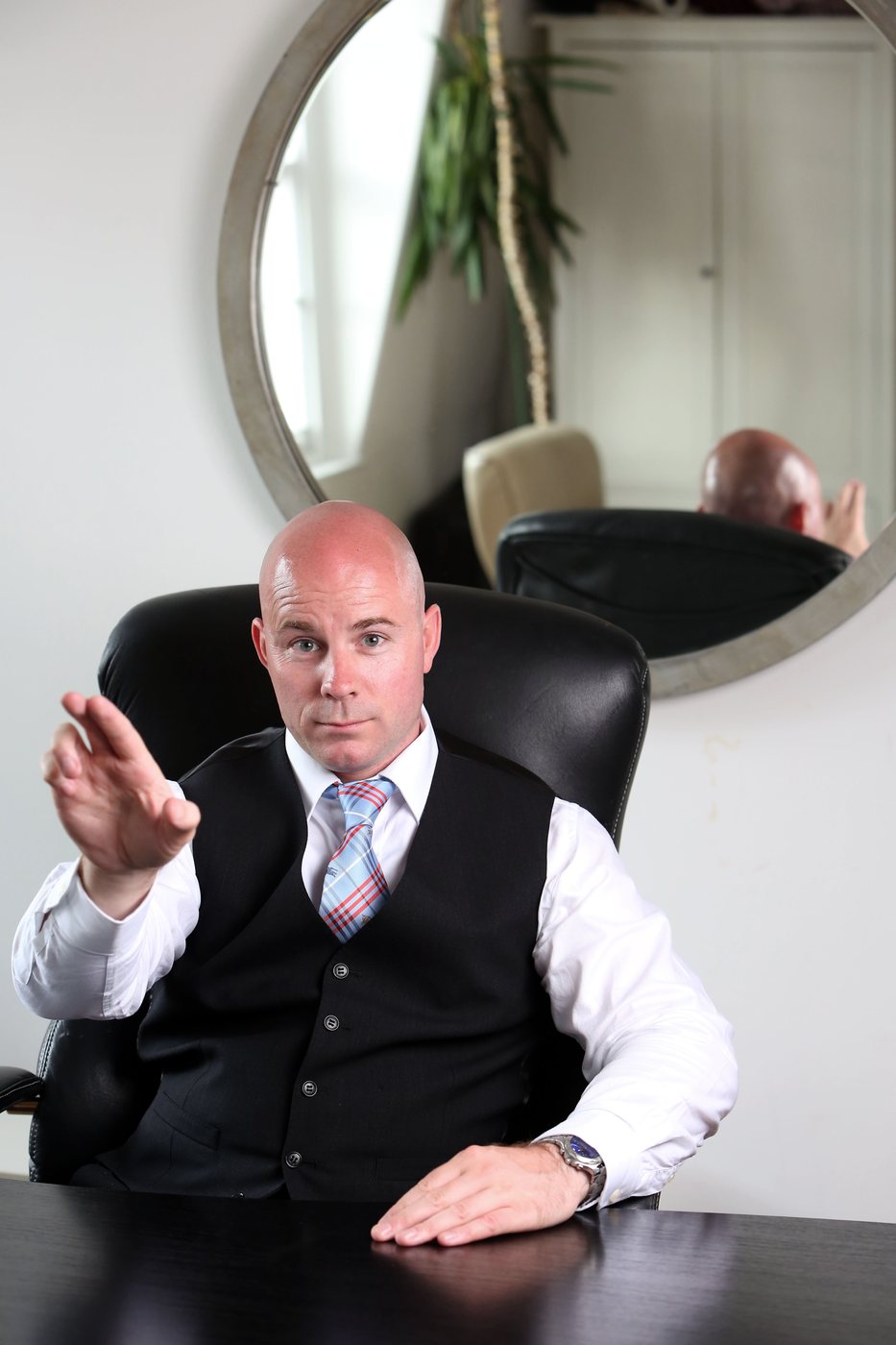
I’m a clinical hypnotherapist with 17 years in practice, a psychology degree and a Postgraduate Certificate and Postgraduate Diploma in clinical hypnotherapy, both with Distinction, from the London College of Clinical Hypnosis and the University of West London. You can read more about my qualifications and experience.
For habits such as smoking, vaping, sugar, scrolling or nail biting, I work with people directly. Hypnotherapy can help with the stress, the triggers and the automatic routines that keep a habit going, though the change still depends on your own effort between sessions. For alcohol or drug dependence, gambling and other compulsions, hypnotherapy is not a treatment, and I don’t offer it as one. There I only work alongside your GP or a specialist service, on things like stress, sleep and confidence, and I’ll ask about that support before we start.
If you’d like to try hypnosis before booking anything, there are more than 2,300 free hypnosis sessions on my podcast, The Hypnotist.
Common questions
Is addiction help free on the NHS?
Yes, most of it. The NHS says you’re entitled to treatment for a drug problem in the same way as anyone else with a health problem, and FRANK says you can access local drug and alcohol services for free in your area. Local stop smoking services and most of the national helplines listed here are free too. Private rehab, counselling and hypnotherapy are paid for.
Can I refer myself for addiction help?
Often, yes. You can contact a local drug service yourself, refer yourself to an NHS gambling clinic in England, and adults in England can refer themselves to NHS Talking Therapies. For drinking, the NHS says you can see a GP or an alcohol addiction support service. Your GP is still worth seeing if you have health worries or need to stop something safely.
What if I’m worried about someone else?
You can get support even if they aren’t ready to. Al-Anon is for families and friends of problem drinkers, GamCare’s helpline takes calls from family members, GamAnon is for people affected by someone’s gambling, and Adfam supports families affected by drugs, drink or gambling. If you’re worried about their safety right now, call 999.
What does an addiction expert do?
It depends on the expert. Addiction doctors and nurses in NHS services handle medical care such as safe withdrawal and prescribing. Drug and alcohol workers help you make a plan and stick to it, and therapists work on the thoughts, feelings and habits behind the use. My own role is hypnotherapy for habits, and support alongside medical care for more serious addictions.
Is addiction help confidential?
The services listed here describe themselves as confidential, including FRANK, Drinkline, We Are With You and Change Grow Live. With me, what you say stays between us. As with any therapist, the only exception is if I believed you or someone else were at serious risk of harm.
Talk it through
If you want help with a habit, or you’re already getting support for an addiction and want something alongside it, book a £49 consultation call. We’ll talk about what’s going on and whether sessions would genuinely help, and if they wouldn’t, I’ll say so. All my sessions are online, one to one on Zoom, and you keep a recording of each hypnosis session. You can see sessions and prices first.
Written by Adam Cox, clinical hypnotherapist. Sources: NHS, addiction: what is it?; NHS, drug addiction: getting help; NHS, alcohol support; NHS, alcohol use disorder; NHS, help for problems with gambling; NHS stop smoking services; NHS, complementary therapies; FRANK; each helpline and charity’s own website. Checked October 2026.