Relapse: what to do after a slip, and how to get back on track
Please read this first
Your tolerance drops fast after a break. If you’ve had time off opioids such as heroin, FRANK warns that taking the amount you used to take puts you at risk of overdose. Call 999 if someone is very sleepy and can’t be woken, or their breathing is slow or has stopped. FRANK is confidential and open 24 hours on 0300 123 6600.
If you drink heavily every day, or you get shakes, sweats or anxiety when you stop, don’t stop suddenly. The NHS warns that it can be very dangerous to stop drinking suddenly if you’re dependent on alcohol. Talk to your GP first, or call Drinkline free and in confidence on 0300 123 1110 (weekdays 9am to 8pm, weekends 11am to 4pm).
If you’re feeling hopeless or thinking about ending your life, call Samaritans free on 116 123, day or night.
You’d been doing well. Days, weeks or months without the drink, the drugs, the cigarettes or the bets. Then something happened, and now you’re here, feeling as if all that effort has been wiped out.
That feeling is very common after a relapse, and it’s worth saying clearly: you haven’t lost what you learned. The time you spent without is still yours. This page is about staying safe, understanding what happened and getting back on track.
Lapse or relapse?
A lapse is usually a one-off slip, like one drink or one cigarette after a period without. A relapse usually means going back to the old pattern. The difference matters, because many people turn a lapse into a relapse with one thought: “I’ve blown it now, so I might as well carry on.”
Psychologists who study relapse, including Alan Marlatt, have described how that all or nothing thinking, and the guilt that comes with it, can make the slip bigger. If you can treat a lapse as a mistake to learn from rather than proof that you can’t do it, you give yourself a much better chance.
Relapse is common, and it isn’t failure
The US National Institute on Drug Abuse says relapse rates for drug use are similar to those for other long-term medical conditions. It puts them at 40 to 60%, compared with 50 to 70% for high blood pressure and asthma. It also says that relapse doesn’t mean treatment has failed. It means it’s time to go back to your doctor or service to restart, adjust or change the treatment (NIDA, Treatment and recovery).
Seen that way, a relapse is information. It shows you where the plan needs strengthening.
What to do in the first few days
- Get safe first. Read the box at the top of this page. If you’re using opioids again, don’t use alone, and ask your local drug service for a free naloxone kit.
- Tell someone. A friend, your sponsor, your key worker or your GP. Saying it out loud takes away some of its power, and you don’t have to carry it alone.
- Go easy on yourself. Harsh self-criticism tends to feed the cycle. Talk to yourself the way you would to a friend who’d slipped.
- Look at what led up to it. Stress, tiredness, a difficult conversation, a celebration, being around old places or people. Most relapses build over days before the moment itself.
- Adjust the plan. Decide what you’ll do differently next time that trigger comes round, and who you’ll call.
Warning signs to watch for
- Thinking more and more about the old habit, or remembering only the good parts
- Skipping meetings, appointments or the things that were helping
- Feeling stressed, low, lonely or bored for days at a time
- Spending time in the old places, or with people who still use or drink heavily
- Telling yourself that “just one” would be fine
When you notice these, it’s a good time to reach out, not a reason to panic. My page on urge surfing has a simple way to ride out a strong craving.
Where to get help in the UK
- Your GP. A confidential place to start. They can check your health and refer you back to local services.
- Local drug and alcohol services. You can usually contact them yourself, even if you’ve been before. The NHS can help you find an alcohol support service.
- FRANK. 0300 123 6600, 24 hours, or text 82111.
- Drinkline. 0300 123 1110, free and confidential.
- National Gambling Helpline. 0808 8020 133, free, 24 hours.
- Smokefree National Helpline. 0300 123 1044, if you’ve gone back to smoking.
- Mutual support. Alcoholics Anonymous, Narcotics Anonymous and UK SMART Recovery all welcome people who have relapsed.
My page on help with addiction lists more free services.
Where hypnotherapy fits
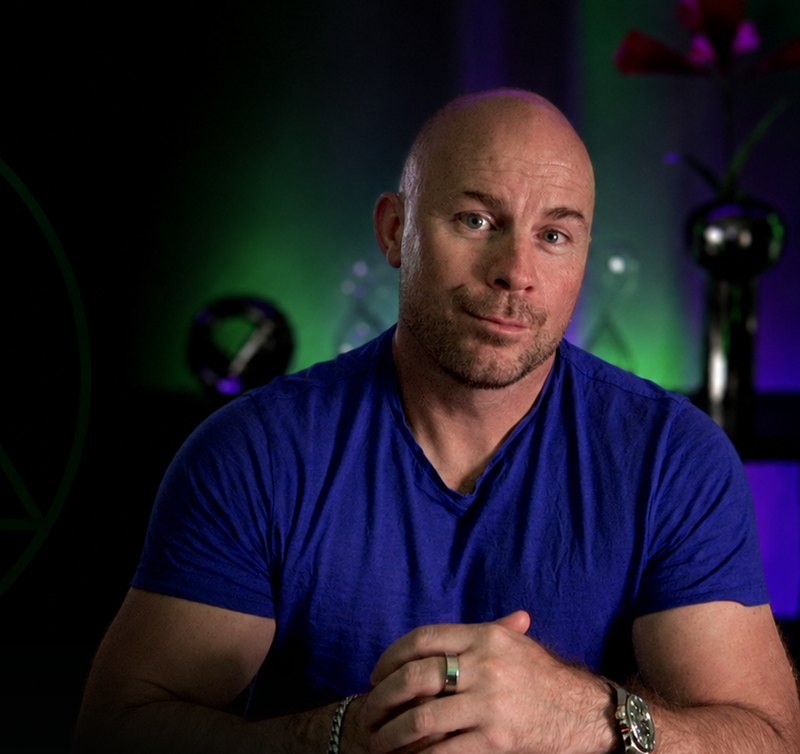
If you’re feeling ashamed right now, please know that relapse is part of many people’s recovery. It doesn’t cancel out the work you’ve done.
Hypnotherapy is not a treatment for alcohol or drug dependence, and I don’t offer it as one. If you’re dependent, your GP or a specialist service needs to be part of your recovery. Where I can help is alongside that care. In sessions we look at what led to the relapse, the stress, the triggers and the thoughts that said “just one”, and we rehearse meeting those moments differently. We also work on confidence, because after a slip many people stop believing they can do it.
I’ve spent 17 years in clinical practice, and I hold a Postgraduate Certificate and a Postgraduate Diploma in Clinical Hypnotherapy, both with Distinction.
Before we work together I’ll ask what support you have and whether you get any withdrawal symptoms. If I think you need medical help first, I’ll tell you honestly. For what the research does and doesn’t show, see my guide to whether hypnotherapy works.
Common questions
What is the difference between a lapse and a relapse?
A lapse is usually a one-off slip, such as one cigarette or one drink after a period without. A relapse usually means going back to the old pattern. A lapse doesn’t have to become a relapse, and how you respond to it makes a big difference.
Does relapse mean I’ve failed?
No. The US National Institute on Drug Abuse says relapse doesn’t mean treatment has failed, and that relapse rates for drug use, at 40 to 60%, are similar to those for other long-term conditions such as high blood pressure and asthma. It’s a sign to get back in touch with support and adjust the plan.
Is it dangerous to use again after a break?
It can be. FRANK warns that your tolerance drops after a break from opioids, so taking the amount you used to take puts you at risk of overdose. If you’re dependent on alcohol, stopping again suddenly can also be dangerous. Please talk to your GP or drug and alcohol service.
What should I do straight after a relapse?
Make sure you’re safe, tell someone you trust or your support service, and avoid harsh self-criticism. Then look at what led up to it, and use that to adjust your plan.
Can hypnotherapy help after a relapse?
Not as a treatment for dependence, which needs your GP or a specialist service. Alongside that care, hypnotherapy can help with the stress, triggers and confidence that often sit behind a relapse.
Is it confidential?
Yes. What you tell me stays between us. As with any therapist, the only exception is if I believed you or someone else were at serious risk of harm.
Talk it through
If you’re getting support and want help alongside it, or your relapse was with a habit like smoking or vaping, book a £49 consultation call. We’ll talk about whether sessions are likely to help. Most people work with me online over Zoom, and I also see people face to face in Hertfordshire at the same price.
See session options and prices
Written by Adam Cox, clinical hypnotherapist. Sources: National Institute on Drug Abuse, Drugs, brains and behavior: treatment and recovery; FRANK, Heroin; NHS, Alcohol support; NHS, Find alcohol addiction support services; Drinkline, National Gambling Helpline, Smokefree National Helpline, Alcoholics Anonymous, Narcotics Anonymous, UK SMART Recovery and Samaritans. Checked October 2026, including helpline numbers.