

Urge surfing: how to ride out a craving without giving in
It starts small. A thought about a cigarette, a drink, the biscuit tin or your phone. Then it builds, and it can feel as if it will keep building until you give in. So you give in, partly just to make the feeling stop.
If that sounds familiar, it isn’t a lack of willpower. Fighting a craving head on is tiring, and most of us lose that fight when we’re stressed or worn out. Urge surfing is a different approach. Instead of fighting the urge or obeying it, you learn to watch it rise and fall.
This page explains what urge surfing is, what the research does and doesn’t show, and a simple way to try it next time a craving hits.
What is urge surfing?
Urge surfing comes from the work of Alan Marlatt, a psychologist who spent his career studying relapse. The idea is that a craving behaves like a wave. It builds, reaches a peak and then eases, even if you do nothing to it. The aim isn’t to stop the wave arriving. It’s to stay on the board until it passes.
That’s a real shift for most people. When an urge feels as if it will only get worse, giving in looks like the only way out. Once you’ve watched a few urges fade on their own, you start to trust that this one will too.
What the research shows
In a 2009 study, Sarah Bowen and Alan Marlatt worked with 123 university students who smoked and wanted to change. Each was shown cues designed to set off the urge to smoke. Half were given brief instructions in urge surfing, and half were given none (Bowen and Marlatt, Psychology of Addictive Behaviors, 2009).
The urges themselves were about the same in both groups. But over the next seven days, the students who had learned urge surfing smoked significantly fewer cigarettes. The authors suggest the technique may not make an urge weaker straight away, but it may change how people respond to it. It was one small study, so treat it as a promising sign rather than proof.
How to urge surf: a step by step guide
- Notice it and name it. When the urge arrives, say to yourself, “this is an urge”. Naming it puts a little space between you and the action.
- Find it in your body. Where do you feel it? A tightness in the chest, a restlessness in the hands, a tug in the stomach or a dry mouth. Describe it to yourself as if you were explaining it to someone else.
- Breathe and watch. Breathe slowly and keep your attention on the feeling. Notice whether it’s getting stronger, staying the same or starting to ease. You don’t need to change it.
- Ride the peak. If it grows, remind yourself that this is the top of the wave. You’ve felt urges before, and none of them lasted for ever.
- Notice it fading. As it eases, notice that too. That moment is what teaches your brain that you can have an urge without acting on it.
- Note what happened. Afterwards, jot down what set it off and roughly how long it lasted. Over a few weeks you’ll learn your own pattern.
It’s normal to find this hard at first, and it’s fine if you give in sometimes while you’re learning. Each time you surf an urge, even part of the way, you’re practising a skill. If a slip does happen, my page on what to do after a relapse can help you get back on track.
Making urge surfing easier
- Practise on small urges first, like the urge to check your phone, before you try it on your strongest craving.
- Pair it with a plan for the moment. My guide to how long it takes to break a habit covers if-then plans and changing your cues.
- Expect urges to be stronger when you’re tired, hungry, lonely or stressed, and be kinder to yourself on those days.
- If cravings are the main thing you’re struggling with after stopping smoking or vaping, my page on cravings after quitting goes into more detail.
Where hypnotherapy fits
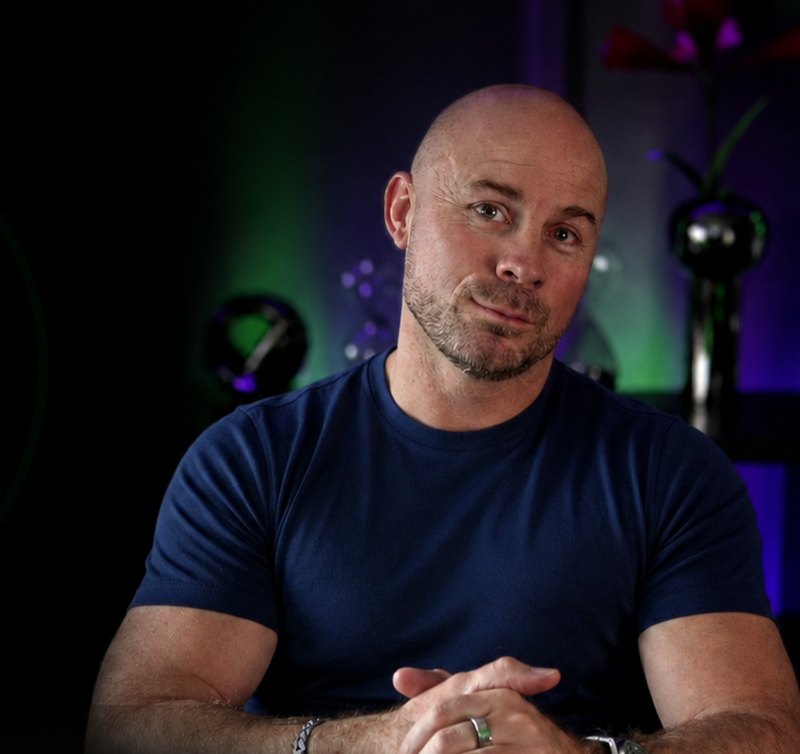
If you’ve been white-knuckling your way through cravings, you already know how much effort it takes. You deserve a way of handling them that doesn’t leave you exhausted.
Urge surfing and hypnotherapy fit together well. In a relaxed, focused state we rehearse your own trigger moments, the time of day, the place and the feeling, and practise riding the urge until it settles. Many people find that once they’ve done this a few times in a session, it feels more familiar when the real urge arrives. We also look at what the habit has been doing for you, so you have something else to reach for.
I’ve spent 17 years in clinical practice, and I hold a Postgraduate Certificate and a Postgraduate Diploma in Clinical Hypnotherapy, both with Distinction.
Sessions won’t make cravings disappear, and you’ll still be the one choosing what to do with each urge. What they aim to do is make that choice feel less like a battle. To see how sessions run and what they cost, read hypnotherapy for habits and addictions, and there’s more about my qualifications too.
When urges need more than a technique
If your cravings are for alcohol, drugs or gambling, urge surfing can be part of your recovery, but it shouldn’t be the whole plan. Stopping some substances suddenly can be dangerous. Please talk to your GP, and see my page on help with addiction for the free UK services. If you’re feeling hopeless or thinking about ending your life, call Samaritans free on 116 123, day or night.
Common questions
What is urge surfing?
Urge surfing is a way of handling a craving by noticing it and letting it rise, peak and fall, like a wave, instead of fighting it or giving in. The name comes from the psychologist Alan Marlatt’s work on relapse prevention.
How long does an urge last?
It varies, and there’s no fixed number of minutes. Many people find an urge feels strongest early on and then starts to ease if they don’t feed it. Timing a few urges yourself is the best way to find out what yours do.
Does urge surfing work?
There’s some early evidence. In a 2009 study of 123 students who smoked, a short urge surfing instruction didn’t make urges weaker, but the group who learned it smoked significantly fewer cigarettes over the following week. It’s a skill that helps you respond differently, rather than a way to make cravings vanish.
Can I use urge surfing for alcohol or drugs?
It’s used as part of relapse prevention programmes, but please don’t rely on it alone if you’re dependent on alcohol or drugs. Stopping some substances suddenly can be dangerous, so talk to your GP first.
How many sessions will I need?
For one clear habit, a single 90 minute session may be enough to get you started. If cravings are tangled up with stress or several habits feed each other, three sessions give us more room. We can talk it through on a consultation call.
How do sessions work?
I work with most people one to one on Zoom, and face to face sessions in Hertfordshire cost the same. You get a recording of the hypnosis afterwards to play between sessions.
Tired of fighting the same craving?
A short call is the simplest next step. Here’s how it works.
- Take the habit check. See where you are now with the free habit check.
- Talk it through. Book a £49 consultation call. We’ll look at whether sessions would help, and the fee comes off your first session.
- Start your sessions. We work one to one over Zoom, and you keep a recording of the hypnosis to listen to between sessions.
See all session options and prices
Hypnosis downloads for riding out cravings
If you’d like to start on your own, the first session builds the calm, noticing attention that urge surfing relies on. The second is about letting go of intrusive urges and keeping your commitment, and the third is about replacing an old habit with a new choice.


Written by Adam Cox, clinical hypnotherapist. Sources: Bowen and Marlatt, Surfing the urge: brief mindfulness-based intervention for college student smokers, Psychology of Addictive Behaviors, 2009; Samaritans. Checked October 2026.