

Weed withdrawal: symptoms, timeline and getting your sleep back
Please read this first
Get medical help if you or someone else becomes very paranoid, confused, or sees or hears things that aren’t there, and it isn’t settling. Call 999 if someone is at risk of harming themselves or anyone else, or seems very unwell.
If you also drink heavily every day, don’t stop drinking suddenly at the same time without medical advice. The NHS warns that stopping suddenly can be very dangerous if you’re dependent on alcohol. Speak to your GP first.
Be wary of swaps. FRANK warns that some cannabis vapes and edibles may contain synthetic cannabinoids or other drugs instead. FRANK is confidential and open 24 hours on 0300 123 6600, or text 82111.
If stopping leaves you feeling hopeless or thinking about ending your life, call Samaritans free on 116 123, day or night.
You stopped smoking weed, and now you can’t sleep, you’re snapping at people over nothing and your dreams are so vivid you wake up tired. That isn’t you falling apart. These are well-recognised withdrawal symptoms, and in the research most of them fade within about two weeks.
You’re also far from the only one going through it. A 2020 review of 47 studies, covering more than 23,000 people, found that 47% of people who used cannabis regularly or dependently had withdrawal symptoms, and daily use made it more likely (Bahji and colleagues, JAMA Network Open, 2020). This page covers what to expect and what helps. For the bigger picture on quitting, see my main page on how to quit smoking weed, where you can also take the cannabis check.
How long does weed withdrawal last? The timeline
FRANK and the NHS list the symptoms but don’t give a timetable. The clearest one comes from studies of heavy users reviewed by Budney and colleagues in the American Journal of Psychiatry. Your own days may differ.
| When | What you might notice |
|---|---|
| Days 1 to 3 | Most symptoms start. Irritability, restlessness, poor sleep and a smaller appetite are common early on. |
| Days 2 to 6 | Symptoms are usually at their worst, with most peaking around day 4. Anger and strange dreams often show up here. |
| By the end of week 2 | Most symptoms have settled back to normal. |
| Beyond 2 weeks | Sleep problems and strange dreams can last longer. In one study in the review, they were still raised weeks after people stopped. |
Timeline from Budney and colleagues, Review of the validity and significance of cannabis withdrawal syndrome, American Journal of Psychiatry, 2004. Symptoms from FRANK and NHS inform.
Weed withdrawal symptoms
FRANK says that when heavy users try to stop, they can feel moody, irritable or sick, and find it hard to sleep or eat. NHS inform adds vivid dreams, low mood and trouble concentrating. Put together, the common ones are:
- Irritability, mood swings and a short fuse
- Difficulty getting to sleep or staying asleep
- Vivid dreams or nightmares
- Feeling sick, eating less, or diarrhoea
- Sweating and shaking
- Low mood, poor concentration and cravings
Weed withdrawal anger. This one catches a lot of people out. In the studies Budney and colleagues reviewed, aggression, anger, irritability and restlessness all went up when heavy users stopped. It’s worth warning the people you live with, and giving yourself more room than usual for the first week or two.
The tobacco in spliffs. If you roll with tobacco, FRANK says you’re also at risk of being addicted to nicotine, so some of what you feel may be nicotine withdrawal. My page on nicotine withdrawal covers that side, and NHS stop smoking support can help with it.
Can’t sleep after quitting weed? Getting your sleep back
For many people, sleep is the hardest part. If you’ve used weed to knock yourself out every night for years, the first nights without it can feel very long. The vivid dreams can be unsettling too, but they are a recognised part of stopping.
- Keep the same wake-up time. Even after a bad night, getting up at your usual time helps your body find its rhythm again.
- Build a new last hour. The time you used to smoke before bed needs filling. A shower, a book, stretching or an audio you like all work better than lying there waiting.
- Go lighter on caffeine, especially from the afternoon onwards.
- Use the daytime. A walk or some exercise during the day can help you feel ready for bed.
- Try a hypnosis track. My podcast, The Hypnotist, has free hypnosis sessions, including some for sleep, that you can play in bed.
If your sleep still hasn’t improved after a few weeks, talk to your GP. If you’re thinking of asking for sleeping tablets, my page on sleeping pills explains why GPs now rarely prescribe them for insomnia.
How long do weed cravings last, and how to cope
Cravings are on both the FRANK and NHS inform lists, but neither gives a time limit for them. The physical side usually settles within a couple of weeks. The pull at your old smoking times, after work, with certain friends or when you’re bored, can last longer because it’s tied to habit as much as to the drug. These steps help with that side:
- Get rid of everything. The stash, the grinder, the papers, the bong. If it isn’t in the house, a bad evening has one less way out.
- Change the contact list. Delete or mute the dealer, and take a break from friends whose evenings revolve around smoking.
- Delay rather than decide. When an urge hits, tell yourself you’ll decide in half an hour and do something physical in the meantime, like a walk or a shower.
- Tell someone what you’re doing. One person who knows can be the text you send instead of the one to your dealer.
- Count the wins. Notice the money saved, the clearer mornings and each evening you got through without it.
When to get medical help
FRANK says cannabis can cause hours or days of anxiety, paranoia and hallucinations, which may only settle if the person stops, and sometimes don’t settle at all. It can also cause a serious relapse in people with psychotic illnesses. Please see your GP if:
- Your mood stays low, or anxiety or paranoia isn’t easing as the weeks go on
- You have a mental health condition, or mental illness runs in your family
- You also drink heavily or use other drugs and want to stop those too
- You’ve tried to stop several times and keep going back
- Your GP. They can check your mood and sleep, and refer you for talking therapies such as CBT.
- Local drug services. The NHS says that if you’re not comfortable talking to a GP, you can approach your local drug treatment service yourself. Find support near you
- FRANK. Confidential advice 24 hours a day on 0300 123 6600, or text 82111.
- Support groups. Narcotics Anonymous has a helpline on 0300 999 1212 (10am to midnight), and SMART Recovery runs meetings too.
- For family and friends. Addiction Family Support has a helpline on 0300 888 3853, and Adfam has guidance for families.
My page on help with addiction in the UK lists more free and private options.
Where hypnotherapy fits
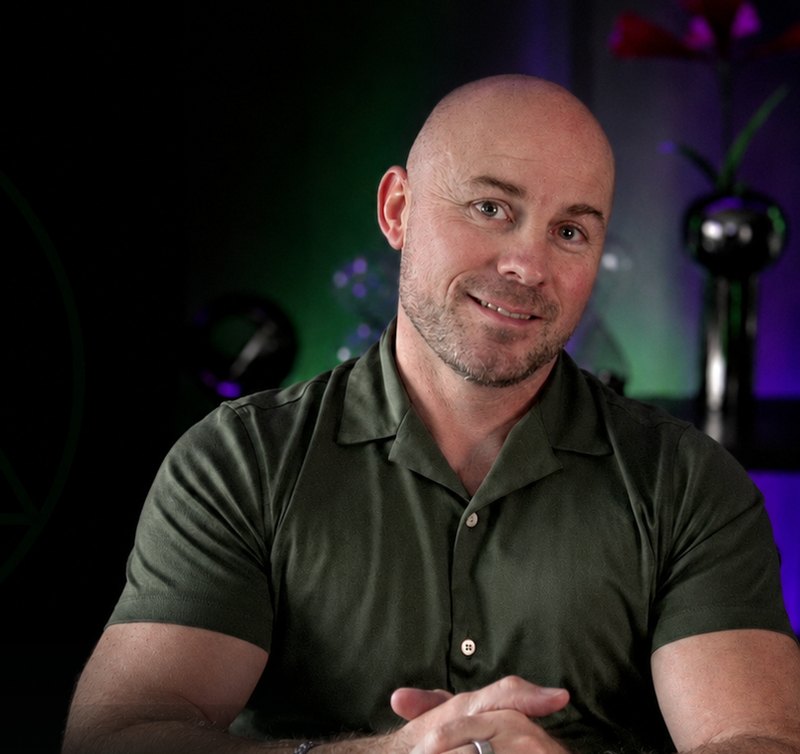
Hypnotherapy is not a treatment for cannabis dependence or withdrawal, and I don’t offer it as one. If you’ve been smoking heavily, or stopping is affecting your mental health, your GP or a drug service needs to be part of your recovery.
Where I can help is alongside that care. Weed often becomes the way people wind down, get to sleep or quieten an anxious mind, so stopping leaves a gap at exactly the times it used to fill. In sessions we work on stress, sleep, confidence and the routines and places linked to using. The effort of staying stopped is yours. What sessions can do is give you calmer ways to get through the evening and into sleep. You can read more about my qualifications.
Before we work together I’ll ask whether you’re getting support from your GP or a drug service, and how your mental health has been since you stopped. If I think you need that support first, I’ll tell you honestly.
Common questions
How long does weed withdrawal last?
In studies of heavy users, most symptoms started in the first 1 to 3 days, peaked between days 2 and 6 and were back to normal by the end of the second week. Sleep problems and strange dreams can last longer than that.
Why am I having vivid dreams after quitting weed?
Vivid dreams and nightmares are a recognised withdrawal symptom, listed by NHS inform. Research suggests they can be one of the slower symptoms to settle. They can be unsettling. If they’re stopping you sleeping for weeks, mention it to your GP.
Is it normal to feel angry after stopping weed?
Yes, it’s common. FRANK says heavy users can feel moody and irritable when they stop, and studies have found anger and aggression go up in the first days. It usually eases as the other symptoms do. If you’re worried about how angry you feel, or that you might hurt someone, talk to your GP.
Can hypnosis help me stop smoking weed?
Nobody can honestly promise that it will. Hypnotherapy can help alongside proper support with the stress, sleep and routines around smoking, but the decision and the effort are yours. Sessions run one to one on Zoom, and I send you a recording of the hypnosis to keep.
Is it confidential?
Yes. What you tell me stays between us. As with any therapist, the only exception is if I believed you or someone else were at serious risk of harm.
I’m worried about someone else’s cannabis use. What can I do?
Addiction Family Support and Adfam are there for the people around someone who uses drugs, and FRANK can talk it through with you too. If they’re trying to stop, knowing that irritability and poor sleep are normal for a week or two can help you not take it personally.
Talk it through
If you’re already getting support and want help alongside it, book a £49 consultation call. On the call we’ll look at the support you have now and whether sessions would add anything useful to it.
Written by Adam Cox, clinical hypnotherapist. Sources: FRANK, cannabis; NHS inform, cannabis; Budney and colleagues, American Journal of Psychiatry, 2004; Bahji and colleagues, JAMA Network Open, 2020; NHS, drug addiction: getting help; NHS, Alcohol-use disorder. Checked October 2026, including helpline numbers.