

Dopamine detox: what it really is and how to do a realistic one
Maybe you’ve seen the videos. Someone spends a whole day in a bare room with no phone, no music, no talking and sometimes no food, then announces they’ve reset their brain. If you feel frazzled, can’t concentrate and reach for your phone every few minutes, it sounds tempting. The trouble is that it rests on a misunderstanding of how dopamine works.
Many people find that once the automatic reach for the phone slows down, they can concentrate for longer and feel less frazzled.
On this page I’ll explain what a dopamine detox is, what the trend gets right and wrong, and how to do a realistic version that fits around work, family and the rest of your life.
The pull of quick rewards is real. UK adults now spend an average of four and a half hours online a day, most of it on a smartphone, where they use an average of 41 apps a month (Ofcom, 2025).
What is a dopamine detox?
A dopamine detox, also called dopamine fasting, means taking a planned break from things that give you quick rewards for very little effort, such as social media, gaming, online shopping or snacking.
The version most people mean grew out of a 2019 idea from Dr Cameron Sepah, a clinician in California. He based it on cognitive behavioural therapy (CBT), and in particular on a technique called stimulus control, which means cutting down the cues and triggers that set a habit off (Psych Central, 2023). His suggestions were fairly modest: fasting from a problem habit for one to four hours at the end of the day, one day at the weekend, one weekend every few months and a week a year on holiday. He listed behaviours it might help with, including emotional eating, too much time online, gaming, gambling and shopping (Harvard Health, 2020).
Can you really detox from dopamine?
No. Dopamine is one of the body’s chemical messengers, and it’s involved in reward, motivation, learning and pleasure. Your brain makes it all the time, so there’s nothing to flush out. Harvard Health points out that dopamine doesn’t go down when you avoid overstimulating activities, so a “dopamine fast” doesn’t do what its name suggests.
What a break can change is habit. Each time you scroll, snack or check something the moment you feel a flicker of boredom, the link between that feeling and that action gets a little stronger. A detox helps, when it helps, because it interrupts those links for a while and gives you a chance to notice them. That’s useful. It just isn’t a reset.
Does dopamine detox work? What the trend gets right and wrong
There’s very little research on dopamine detoxes themselves. A 2022 commentary in the journal Lifestyle Medicine said future studies still need to test whether it works. It also warned that because people do it on their own, misreading the rules could cause physical or emotional harm (Fei and colleagues, 2022).
The original idea is sensible: spot the quick rewards that crowd out the rest of your day, notice what sets them off and take planned breaks. Harvard Health calls it sensible, if not new. What went wrong online is the extreme version, with no talking, no eye contact, no music, no exercise and sometimes no food. Avoiding other people was never part of Sepah’s idea, and cutting yourself off removes some of the healthiest rewards you have. This is how the two versions compare:
| The internet version | A realistic version |
|---|---|
| Cut out everything that feels good | Pick one or two habits that are costing you |
| No phone, music, talking or eye contact | Keep people, music, walks and proper meals, and limit only the habits you chose |
| A 24 hour or 30 day challenge, all or nothing | A short trial with clear limits, then a review |
| Rely on willpower in the same surroundings | Change your surroundings so the habit is harder to start |
| Leave a gap and hope for the best | Plan what goes in the gap |
| Treat it as a reset, then go back to normal | Keep what helped and build it into your week |
How to do a dopamine detox that’s realistic
- Pick one or two behaviours. Choose the habits that cost you most, such as late-night scrolling, checking email in bed or snacking at your desk. Trying to cut everything at once is hard to keep up for more than a few days.
- Set clear limits. Make each rule specific enough that you know whether you kept it: no social media before 10am, no phone in the bedroom or no gaming on work nights. “Use my phone less” is too vague to stick to.
- Change your surroundings. This is the stimulus control part. Turn off notifications, log out of apps, move them off your home screen, charge your phone in another room or keep the biscuits out of the house. The fewer cues you meet, the fewer decisions you have to make.
- Plan what goes in the gap. Taking a habit away leaves time behind, and often a feeling too, such as boredom or restlessness. Decide in advance what you’ll do instead. Many people find a written list helps, which is where the idea of a dopamine menu comes in.
- Run a short trial. Try it for a set period, such as a week, a fortnight or the 30 days people often search for, and jot down each day how it went. Then review it: keep what helped and change what didn’t.
- Expect the urges. The old cues will still fire for a while. An urge to check is a sign the habit is there, not a sign you’re failing. Riding it out while you do something else is part of the practice.
What is a dopamine menu?
A dopamine menu is a list of other things you can do when you feel the pull towards your phone, the fridge or another episode. It’s an internet idea rather than a clinical one, but it’s a handy way to plan the gap. Keep the options small and close to hand, and sort them by how much time you have:
- Starters, a few minutes: a glass of water, stepping outside, a stretch or five slow breaths.
- Mains, 20 minutes or more: a walk, a workout, cooking, reading or a call with a friend.
- Sides, alongside a chore: music or a podcast while you tidy, cook or travel.
- Specials, now and then: a film you’ve been saving, a class, a day out or time with people you don’t see often.
Where hypnotherapy fits
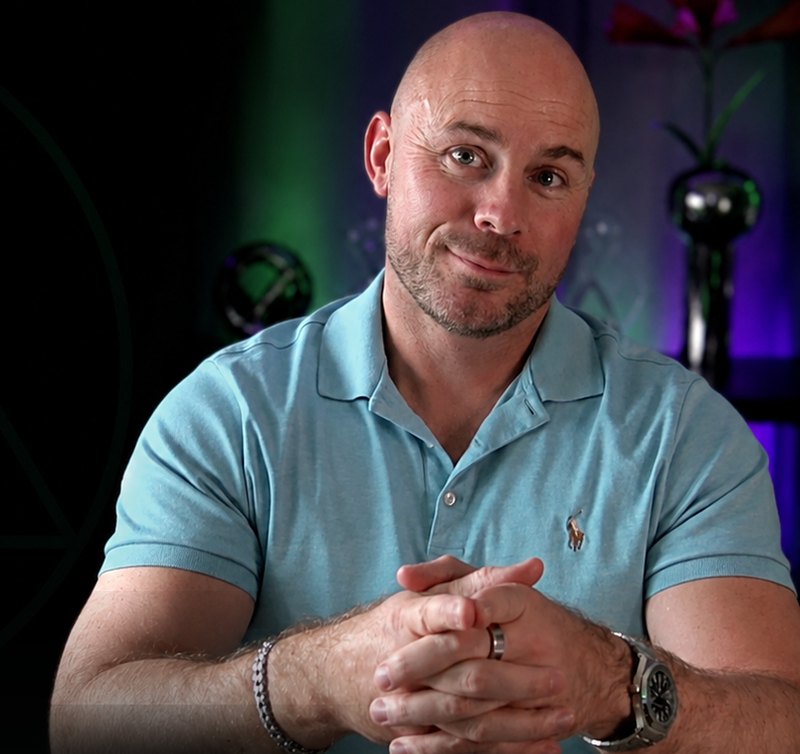
If you’ve tried a day without your phone and found yourself checking it within the hour, that isn’t a lack of willpower. Quick rewards are built into almost everything we use, which is why the pull is so strong.
Hypnotherapy can help with the part of a dopamine detox that’s hardest to do alone: the automatic reach for the phone, the snack cupboard or the next episode. In a relaxed, focused state we rehearse meeting your usual cues with a different response, and we look at what the habit is doing for you, whether that’s a break, a way of putting off a task or company at the end of a long day.
I’ve spent 17 years in clinical practice, and I hold a Postgraduate Certificate and a Postgraduate Diploma in Clinical Hypnotherapy, both with Distinction.
You’ll still set the limits and keep to them, and some days will go better than others. Sessions aim to take some of the struggle out of each choice. To find out how sessions run, what they cost and whether online sessions suit you, see hypnotherapy for habits and addictions, and there’s more about my qualifications here. My podcast, The Hypnotist, has free hypnosis sessions if you’d like to try one first.
When it’s more than a habit
To see where your own habits sit, take the phone addiction check or the doom scrolling check. If your evenings disappear into box sets, see binge watching. If screens have crept into every part of your day, screen time may be the better place to start, and if scrolling is how you put off work, try procrastination.
Sometimes the urge to switch off with a screen sits on top of something else, such as anxiety, low mood or poor sleep. If that sounds familiar, talk to your GP. In England you can also refer yourself to NHS Talking Therapies if you’re 18 or over (16 or 17 in some areas).
A do-it-yourself detox isn’t the right tool for gambling, alcohol or drugs. If one of those is what you want to cut out, my page on help with addiction lists the free UK services that can help. If you’re feeling hopeless or thinking about ending your life, call Samaritans free on 116 123, any time, or 999 if you’re in danger.
Common questions
Does dopamine detox work?
Not in the way the name suggests, because you can’t lower or flush out dopamine. A planned break from a problem habit can still help you notice your triggers and change your routine. There’s very little research on dopamine detoxes themselves, so treat the extreme versions online with caution.
Can you reset your dopamine?
No. Your brain makes dopamine all the time and uses it for reward, motivation, learning and pleasure. What you can change are the habits you’ve built around quick rewards, by cutting the cues that set them off and planning what you’ll do instead.
How long should a dopamine detox last?
There’s no proven length. Sepah’s original suggestions ran from one to four hours at the end of the day up to a week a year. A trial of one to four weeks, including the popular 30 day dopamine detox, gives you enough time to notice your triggers, as long as you review it at the end.
What are the rules of a dopamine detox?
There are no official rules. The ones worth keeping are simple: choose one or two habits, set limits you can measure, change your surroundings and plan what goes in the gap. Rules about not talking, not making eye contact or not eating are not part of the original idea, and I’d drop them.
How many sessions will I need?
It depends on how many habits you want to change and how long they’ve been part of your day. If one habit stands out, such as scrolling in bed, a single 90 minute session aimed at it may be enough to get you going. If several are tangled up with stress or putting things off, three sessions give us more room. We can talk about it on a consultation call.
How do sessions work?
Most of my clients work with me one to one over Zoom and get a recording of the hypnosis afterwards to use while the new routine settles. Face to face sessions in Hertfordshire are available too, and cost the same. We build each session around your own cues and the habit you most want to change.
Want help with the habit you most want to change?
A short call is the simplest next step. Here’s how it works.
- Take the habit check. See where you are now with the free habit check.
- Talk it through. Book a £49 consultation call. We’ll look at whether sessions would help, and the fee comes off your first session.
- Start your sessions. We work one to one over Zoom, and you keep a recording of the hypnosis to listen to between sessions.
See all session options and prices, or read more about working with me.
Hypnosis downloads for changing a habit
If you’d like to start your realistic detox on your own, these sessions are about moving triggers out of reach, putting the time a habit takes to better use and getting going on the task you’ve been avoiding. You buy each one once and can listen as often as you like.


Written by Adam Cox, clinical hypnotherapist. Sources: Ofcom, From apps to AI search: how the UK goes online in 2025; Harvard Health, Dopamine fasting: misunderstanding science spawns a maladaptive fad, 2020; Psych Central, Dopamine detox: does it work?, 2023; Fei and colleagues, Maladaptive or misunderstood? Dopamine fasting as a potential intervention for behavioral addiction, Lifestyle Medicine, 2022; NHS Talking Therapies; Samaritans. Checked October 2026.